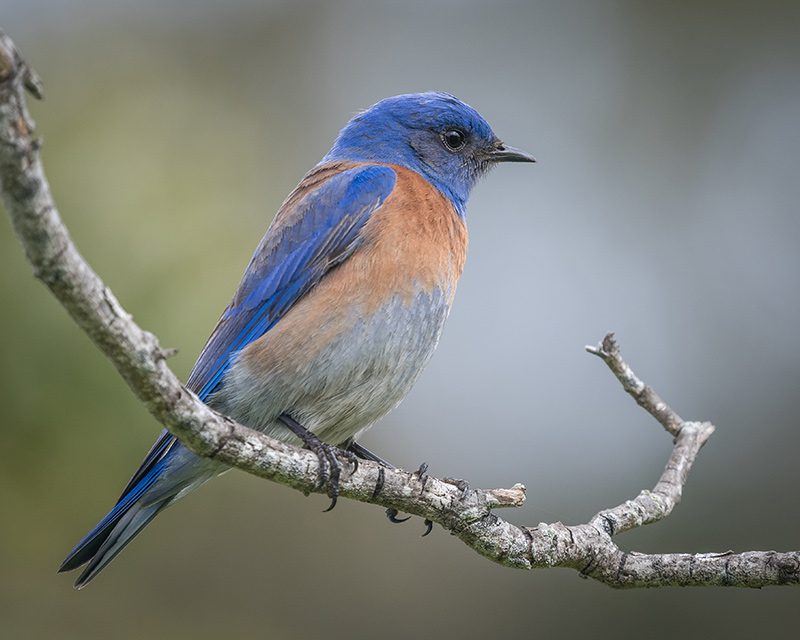
Western Bluebird (male)

Western Bluebird

Although western bluebirds form a monogamous pair during the breeding season, many bluebird nests contain young that the resident male did not father. A pair of western bluebirds may also have helpers at the nest, who are thought to be assisting their supposed parents after their nests have failed.
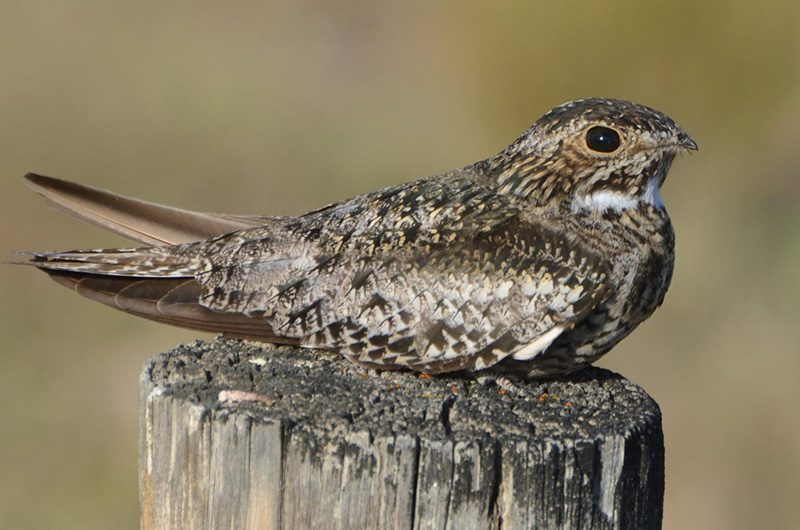
common nighthawk

Common Nighthawk

Male common nighthawks are known for their dramatic “booming” flight display. When flying above the trees, a male will dive towards the ground and abruptly pull out of the dive, sometimes just above the ground. As he flexes his wings downward, the air rushes across his wingtips, making a booming or whooshing sound. The male may dive to impress a female or scare intruders, such as people.

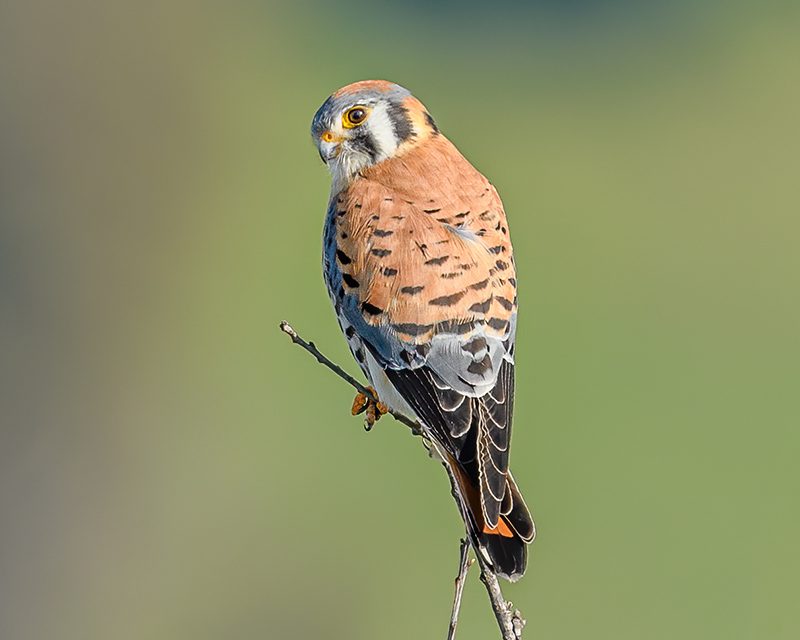
American Kestrel

American Kestrel

Kestrels hide surplus prey in grass clumps, tree roots, bushes, fence posts, tree limbs, and cavities, to save the food for lean times or to hide it from thieves. In winter in many southern parts of the range, female and males use different habitats. Females use the typical open habitat, and males use areas with more trees. This situation appears to be the result of the females migrating south first and establishing winter territories, leaving males to the more wooded areas.

A pair of lesser long-nosed bats

Lesser Long-nosed Bat

The lesser long-nosed bat pollinates saguaro, cardon, and organ pipe cactus and agave flowers. As the bat feeds on the nectar, the bat’s face and neck fur become covered with pollen. Lesser long-nosed bats also disperse the seeds of the columnar cacti fruits by feeding on them.

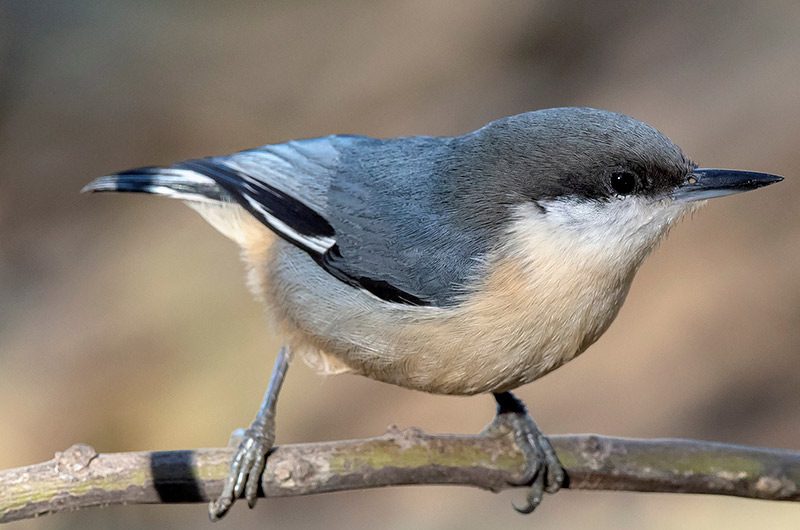
A pygmy nuthatch

Pygmy nuthatch

To survive cold nights, pygmy nuthatches huddle together in tree cavities and let their body temperature drop down into hypothermia. They are one of two bird species in North America that uses this combination of energy-saving mechanisms; the other being the Vaux’s Swift.

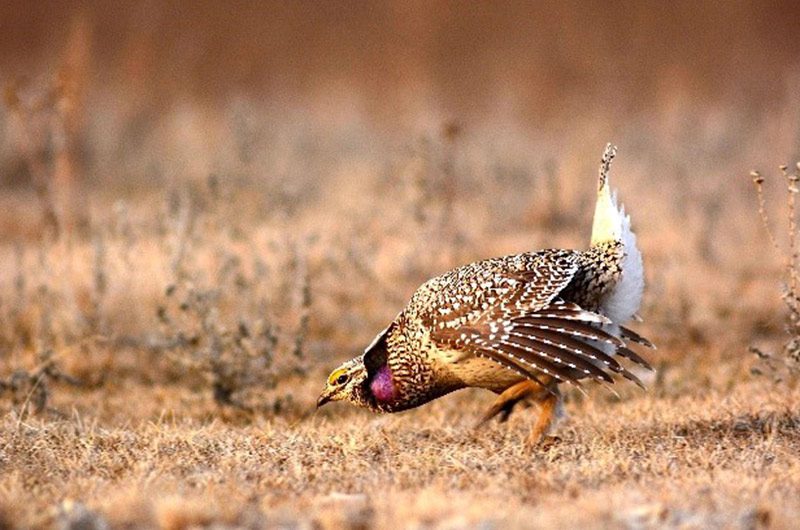
Sharp-tailed grouse

Sharp-tailed Grouse

Sharp-tailed grouse were an important source of food for Native Americans, and elements of the birds’ spring breeding display have been incorporated into the traditional dances of some Native American tribes. Some dances, such as the Grouse Dance of the Northern Tutchone people, is still practiced to this day.

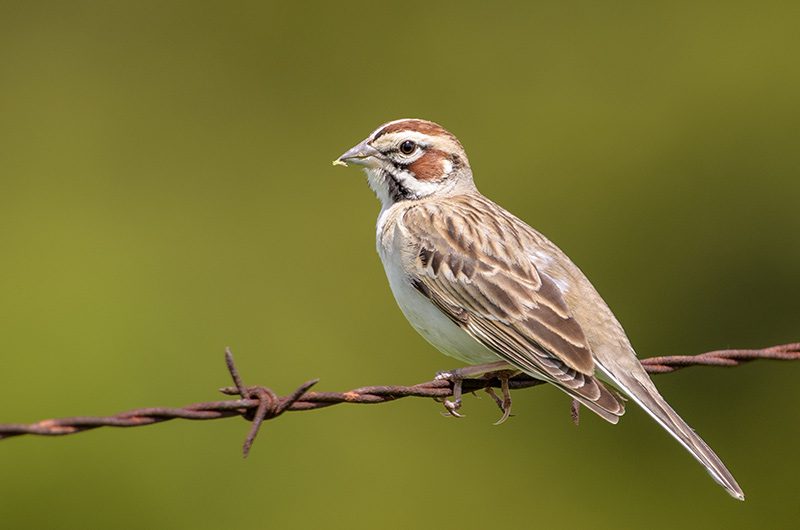
A lark sparrow perched on rusty barbed wire.

Lark Sparrow

Courting male lark sparrows put on a dance that lasts for up to 5 minutes. The dance starts with the male hopping, then spreading his tail and drooping his wings so that they nearly touch the ground, almost like a turkey strutting.

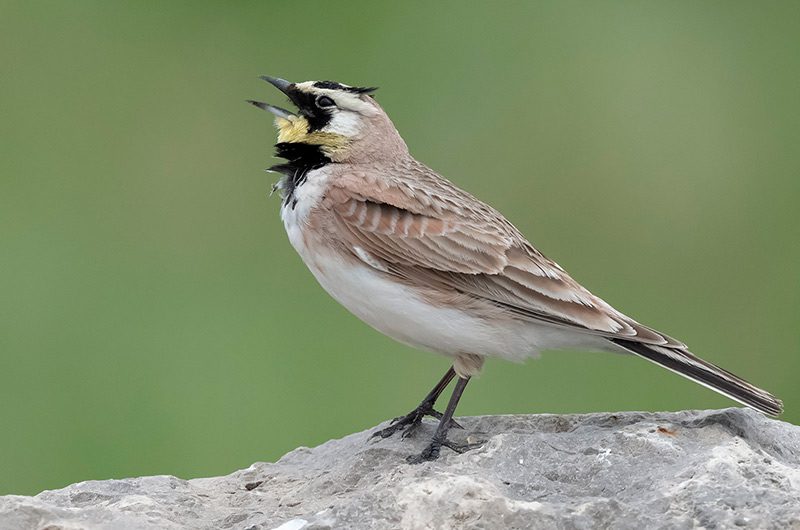
A horned lark singing.

Horned Lark

The female Horned Lark selects a nest site on bare ground, apparently with no help from her mate. She uses her bill to loosen soil and flip it aside to dig a cavity, sometimes also kicking dirt out with her feet. She either chooses a natural depression in which to build the nest or excavates the site herself, a process that can take several days.

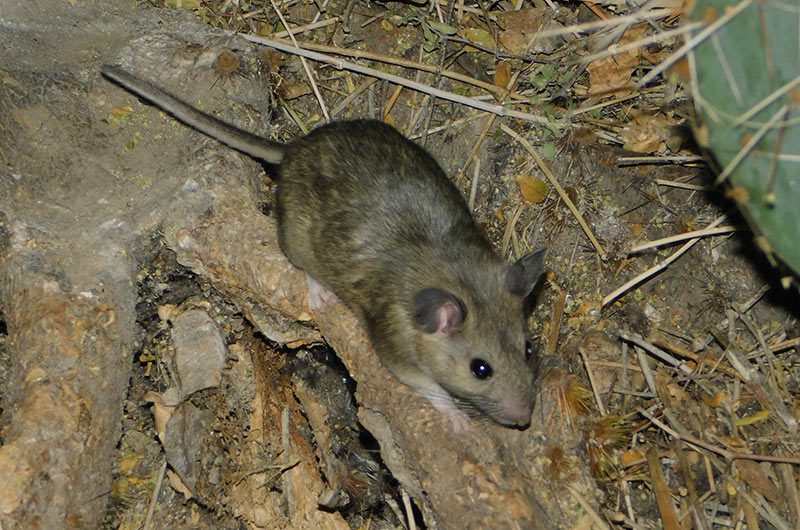
White-throated Woodrat

The white-throated woodrat is also called a packrat. They will live in burrows, caves, or construct elaborate middens of coarse woody debris, vegetation, and cactus joints. Middens or dens are built at the base of trees, shrubs, and cacti using locally available materials such as spiny plant parts from cholla, prickly pear, mesquite, and catclaw, likely as protection from predators. Middens can get as large as 3 ft/0.9 m high and 10 ft/3 m in diameter.

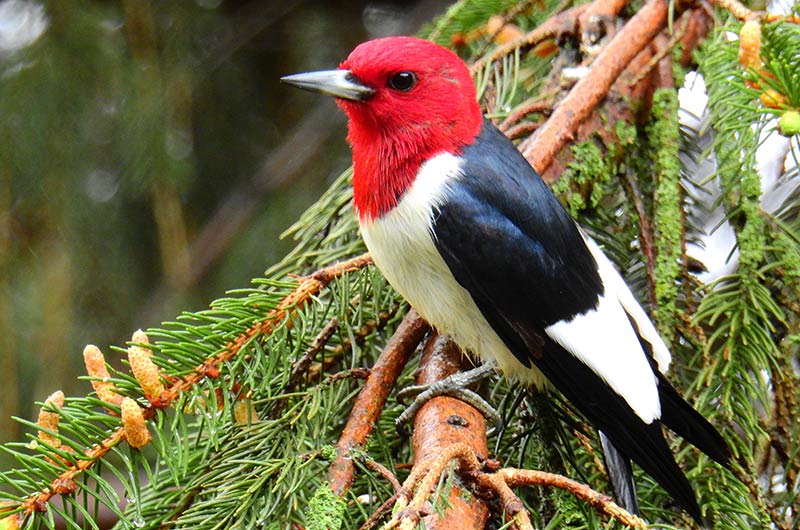
Red headed woodpecker

Red-headed Woodpecker

Red-headed woodpeckers eat the most insects of any woodpecker, sometimes caching grasshoppers alive in a tree crevice so they can be eaten later. Red-headed woodpeckers are also one of the few woodpeckers to store food for later and is the only one known to cover stored food with wood or bark. They may also store nuts and acorns in human structures, like in gate posts and under roof shingles.