Florida scrub jay

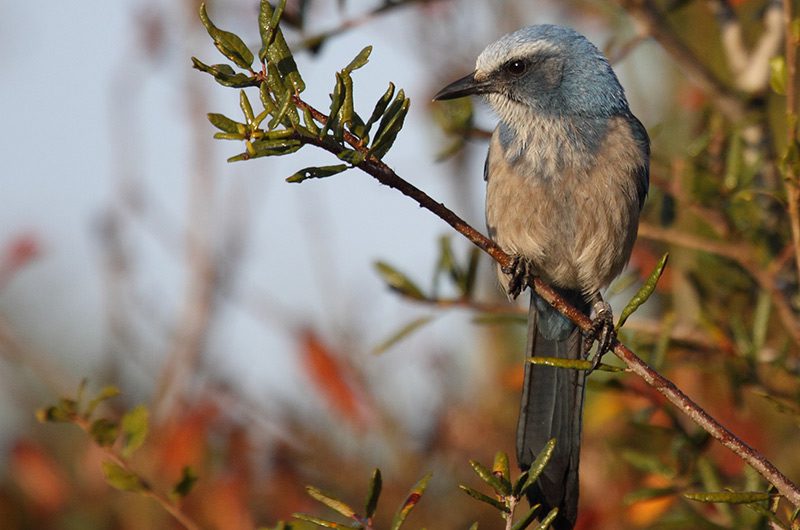
Florida Scrub-Jay

The Florida scrub-jay is the only bird endemic (found only) to Florida. They are found on some of Florida’s highest and driest parts, ancient sandy ridges running down the middle of the state, old sand dunes along the Atlantic and Gulf coasts, and sandy deposits along interior rivers.
Green-tailed towhee

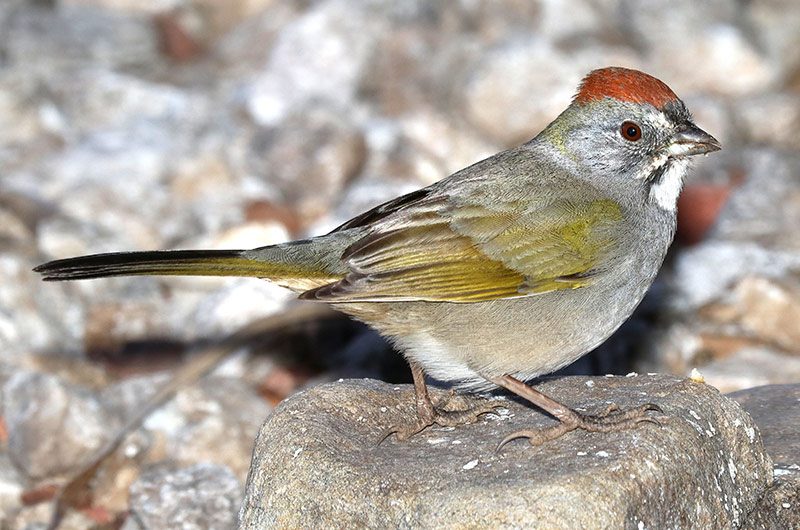
Green-tailed Towhee

Green-tailed towhee pairs may attempt to renest four times or more during the breeding season if a nest fails. They will initiate a nest as late as mid-July, even though many leave the breeding grounds for their winter range by mid-August.

A Virginia's warbler

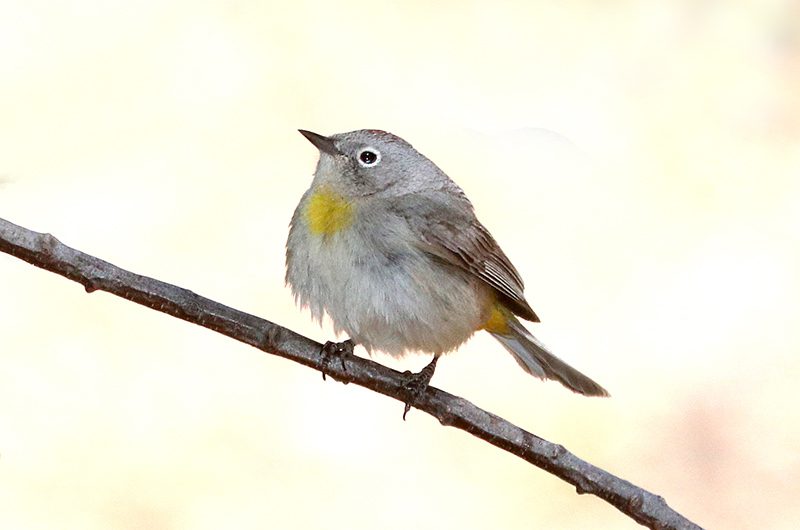
Virginia’s Warbler

Virginia’s warblers in Arizona nest in drainage bottoms in unusually dry years, instead of their usual nesting sites in drier, higher elevation areas. Nest predation and nest mortality are greater for birds nesting in the drainage bottoms. This could negatively impact populations if climate change leads to increasing drought conditions and more Virginia’s warblers nesting in wetter areas.

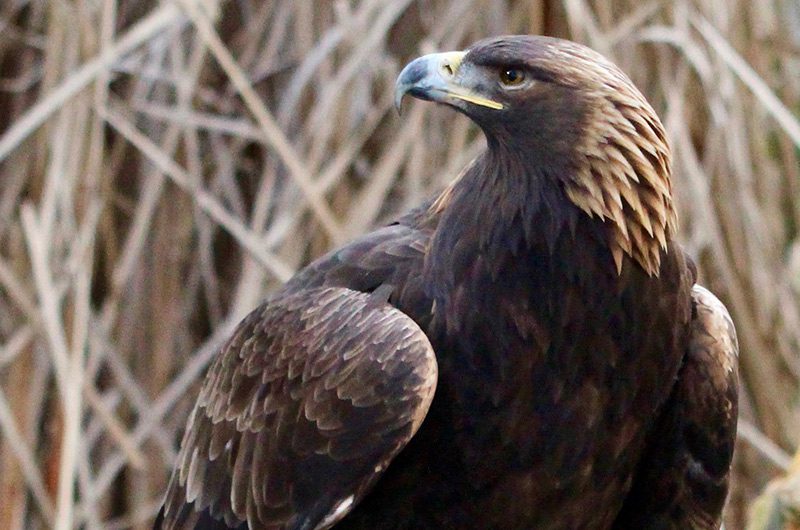
A golden eagle

Golden Eagle

Although capable of killing large prey, golden eagles primarily hunt rabbits, hares, ground squirrels, and prairie dogs. It takes a juvenile bird four years to reach adulthood, juveniles typically don’t have territories and don’t migrate far from their natal territories (where they hatched). They disperse and ”hang around” the region for several years.

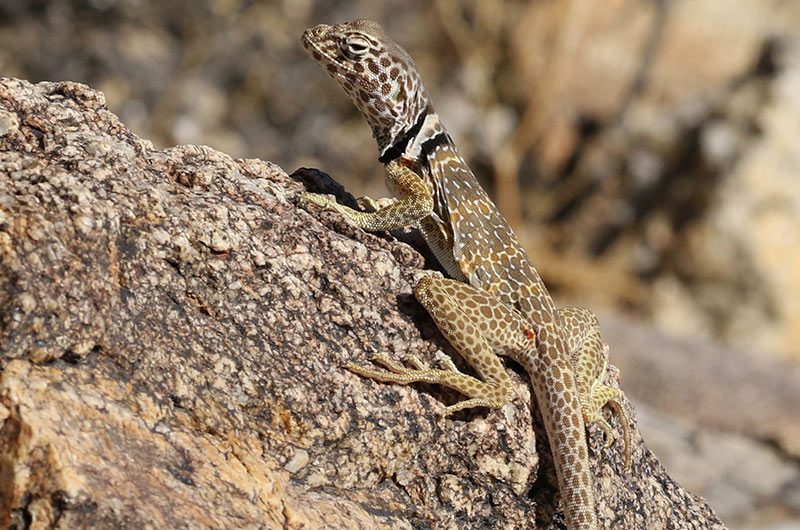
A Great Basin collared lizard

Great Basin Collared Lizard

Collared lizards are one of the only lizards that can run using only their hind legs. They are fast with strides up to three times their body length.

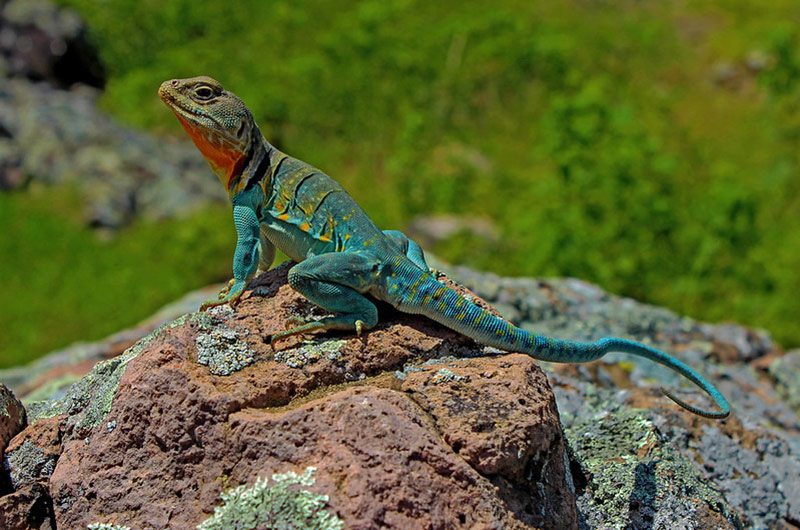
Eastern Collared Lizard

Eastern Collared Lizard

Eastern collared lizards are very alert—and very fast! They’re well adapted to running around their rocky habitats and jump among rocks easily. At top speeds, they run using only their back legs! They have highly powerful jaws capable of delivering a strong bite that can break the skin if captured.

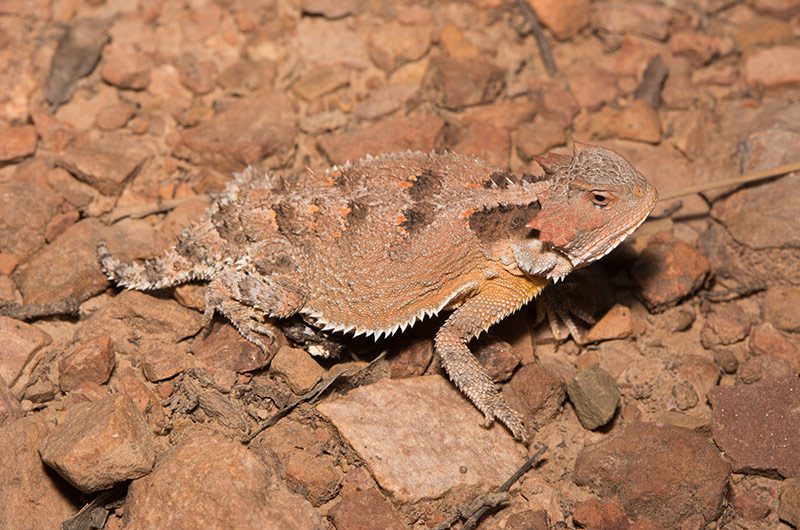
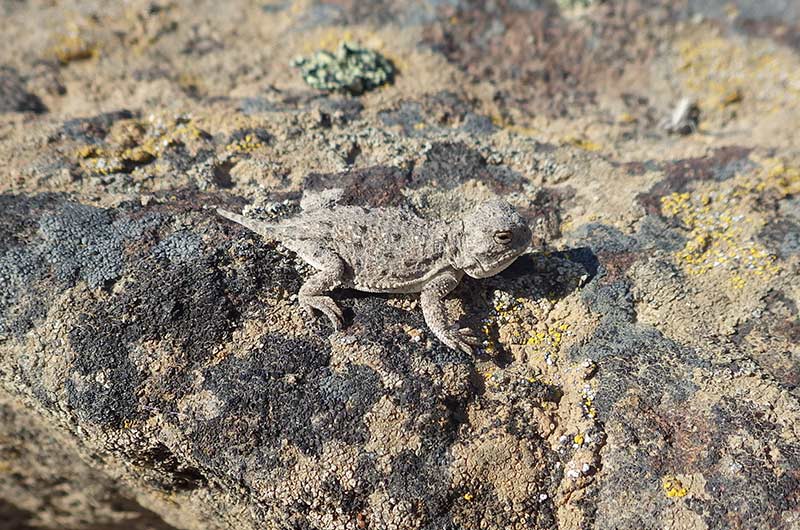
Pygmy short-horned lizard

Pygmy Short-Horned Lizard

Pygmy short-horned lizards emerge from a period of inactivity in the spring for mating season, where females give birth to 3-15 young. They are typically sexually mature within two years of birth.

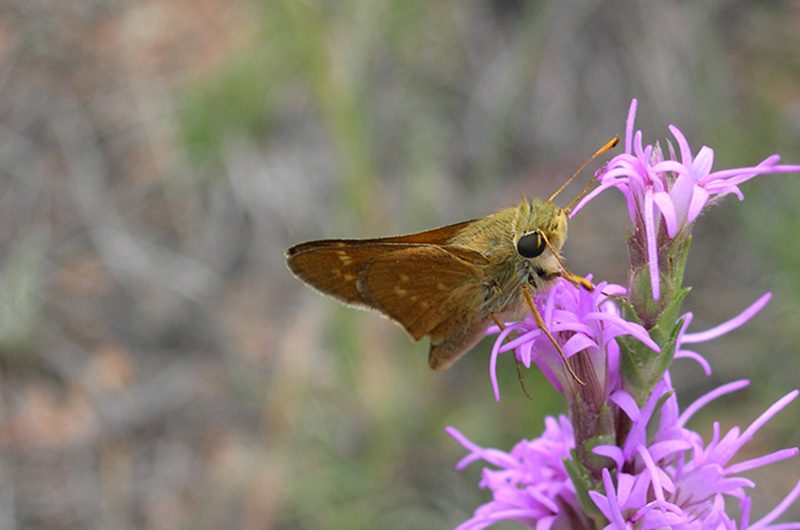
A Pawnee montane skipper flowers.

Pawnee Montane Skipper

The Pawnee montane skipper habitat has been threatened by the proposed Two Forks dam and reservoir which would have inundated and destroyed 22% of the skipper’s habitat with an estimated loss of 23-42% of the population. Two large recent fires, Buffalo Creek Fire and Hayman Fire affected nearly half of the skipper habitat.

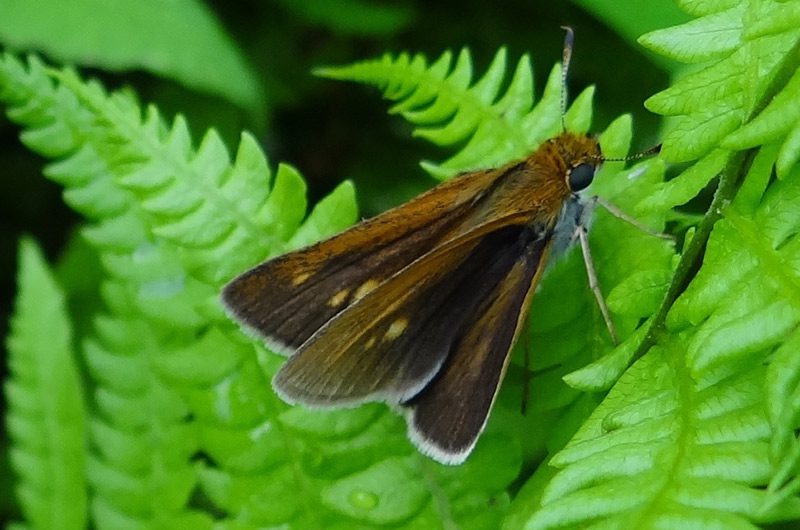
A two-spotted skipper

Two-spotted skipper

While worldwide the two-spotted skipper is secure, that is not necessarily the case on a local basis. Most states where the butterfly resides consider it fairly rare