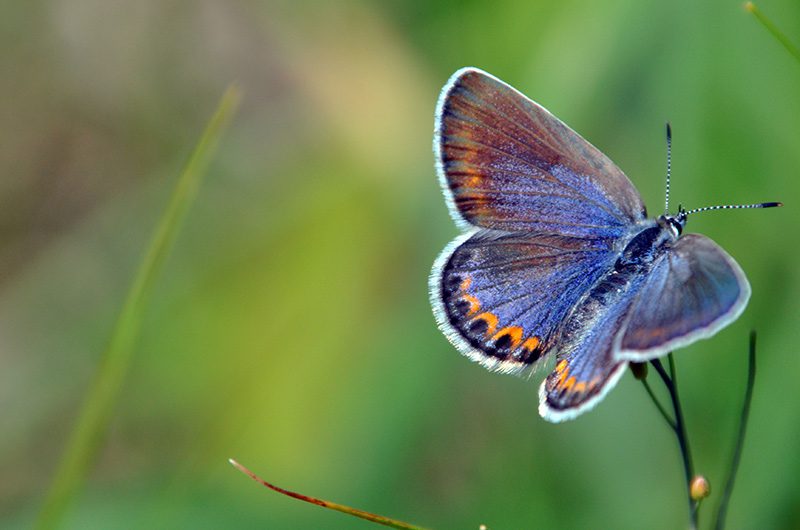
Karner Blue Butterfly
Karner blue larvae have a symbiotic relationship with ants. Ants collect a sugary secretion from Karner blue larvae and in return, tend to the larvae and protect them from predation.

Karner blue larvae have a symbiotic relationship with ants. Ants collect a sugary secretion from Karner blue larvae and in return, tend to the larvae and protect them from predation.
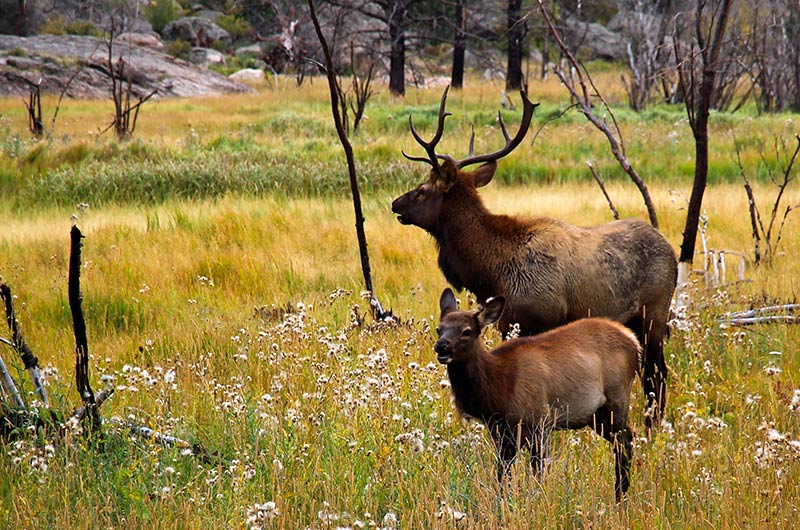
At one time, elk were the most widely distributed member of the deer family in North America, found from the Atlantic to the Pacific coasts, and from Mexico to northern Alberta, once numbering 10 million individuals. In the early 1900s they numbered just 100,000.
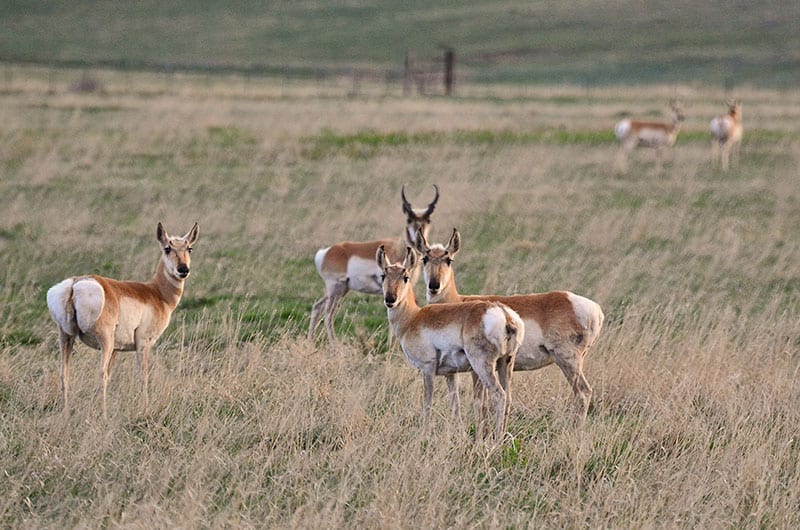
Female Pronghorns usually give birth to twins, with young females often giving birth to a single fawn. Pronghorn can reach speeds of 50 mph/80.5 kph and are North America’s fastest mammal.
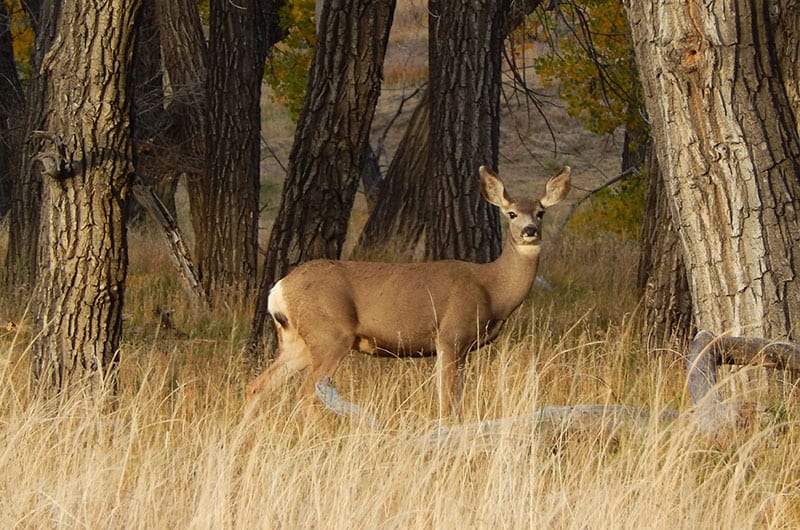
When alarmed, mule deer bound away with four feet hitting the ground together at each bound. This is called “slotting” and is different from white-tailed deer who spring from hind to front feet.

The monarch’s bright coloring warns predators not to eat it. Their toxins come from milkweed plants, which are the only food source for the caterpillars. While animals that eat a monarch butterfly usually do not die, they will get sick enough to avoid monarchs in the future.
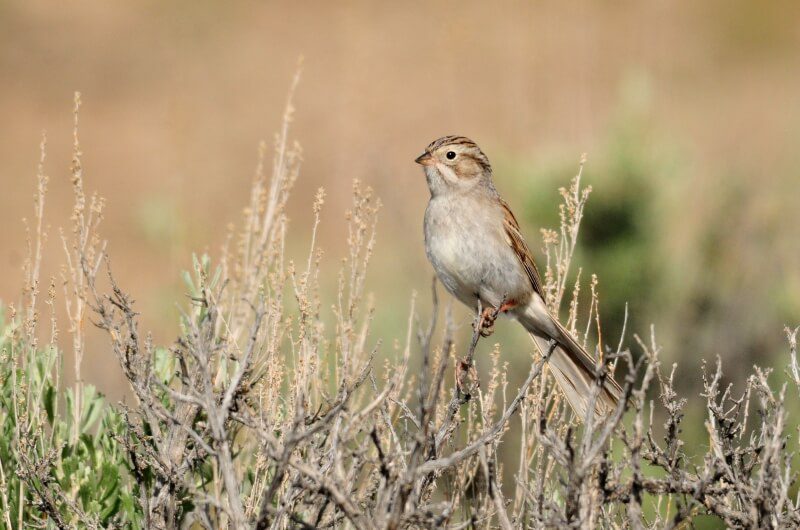
Brewer’s sparrows are highly adapted to dry environments year-round and can go weeks without drinking water.

© Copyright 2026 Terraso, a fiscally sponsored project of Inquiring Systems, Inc.
Privacy Policy and Terms of Service