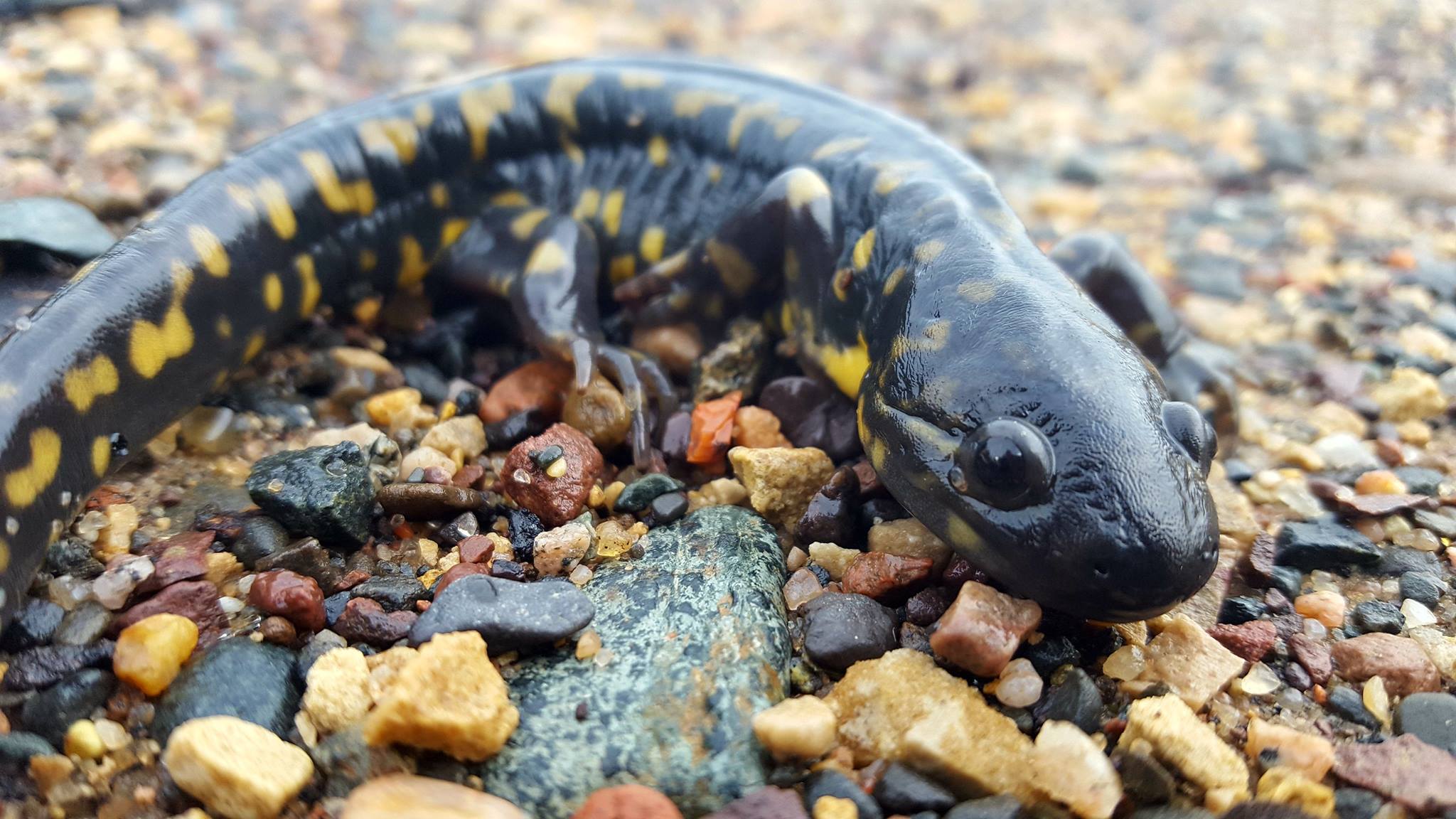
Eastern Tiger Salamander
Tiger salamanders can live up to 14 years and grow 12 in/30cm, double the average size. When too many eggs are laid in a body of water, hatchlings can turn cannibalistic as a method of survival.

Tiger salamanders can live up to 14 years and grow 12 in/30cm, double the average size. When too many eggs are laid in a body of water, hatchlings can turn cannibalistic as a method of survival.
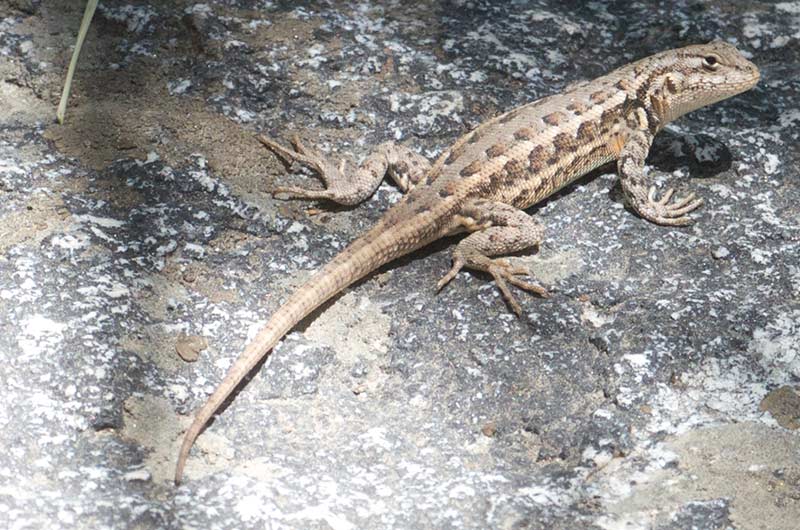
Common sagebrush lizards can drop their tails to escape predators. The tail can regenerate like the prairie lizard, but it is usually shorter and a slightly different color than the original tail.
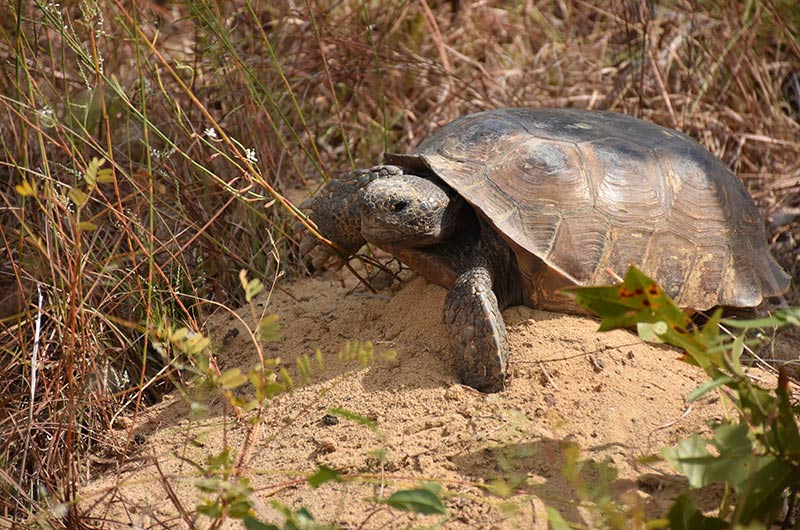
Gopher tortoises create their own burrows which are 3-52 ft/1-16 m long and 9-23 ft/3-7 m deep. More than 350 different kinds of animals are known to share burrows with gopher tortoises from lizards and toads to insects. Some including the six-lined racerunner, gopher frog, gopher mouse, and cave cricket are dependent upon the gopher tortoise burrows.
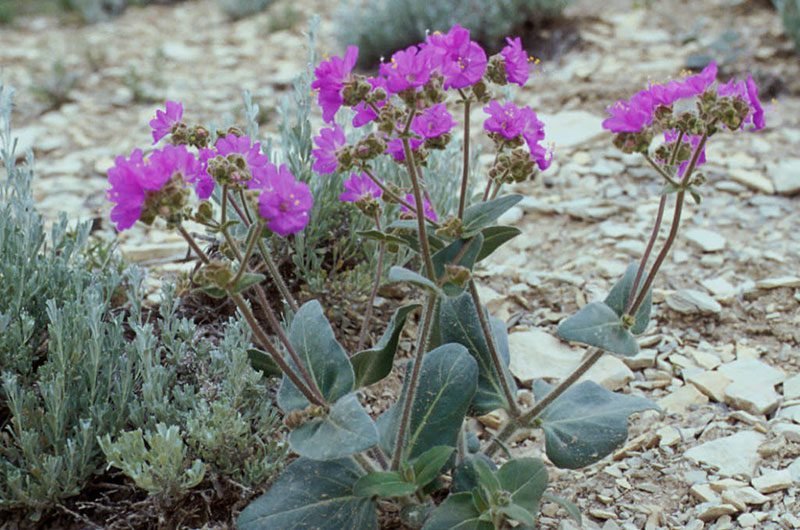
The flowers of this four o’clock open before dawn and remain open until mid-morning, just a few hours.

While the Florida mouse commonly occupies the same burrows as its predators, including snakes, it avoids predation by digging a different entrance and creating side tunnels.
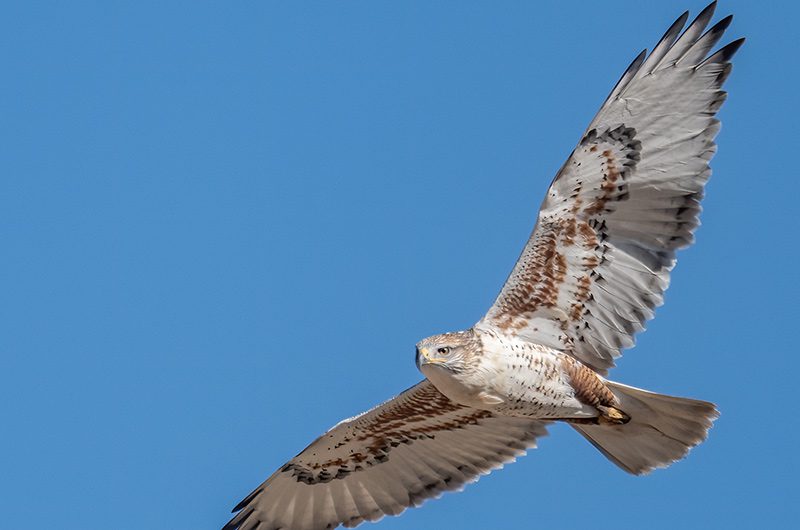
During the breeding season, Ferruginous hawk nests are not easily woven together for tree nesting, so they often build on the remains of pre-existing hawk or crow nests, or on the ground on a rocky outcrop.
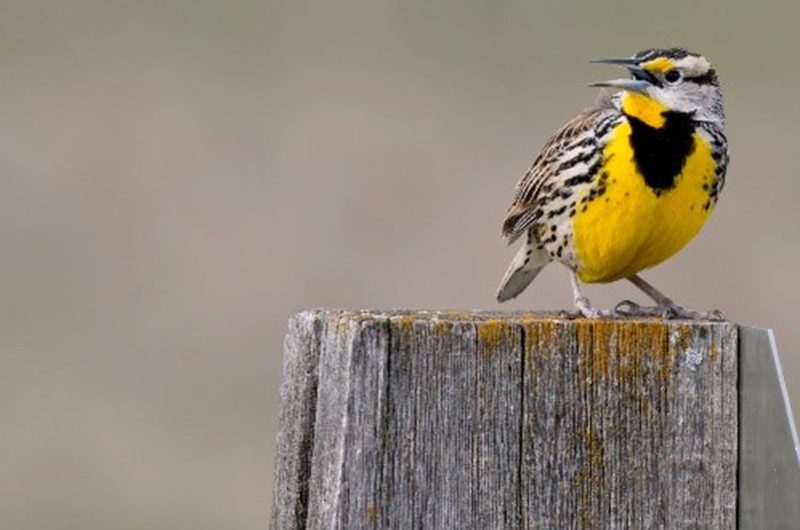
There are up to 17 subspecies of eastern meadowlark including the isolated Lillian’s meadowlark, which is found in Arizona, New Mexico, and northern Mexico. Where eastern and western meadowlarks overlap in the Central Plains, they rarely hybridize or share territories. Although they look very similar, their songs sound completely different, and they will fight to defend their territories from one another.

Gunnison’s prairie dogs are found in both montane and prairie habitats, yet mountain ranges separate portions of their range, preventing individuals from moving between montane and prairie habitats.
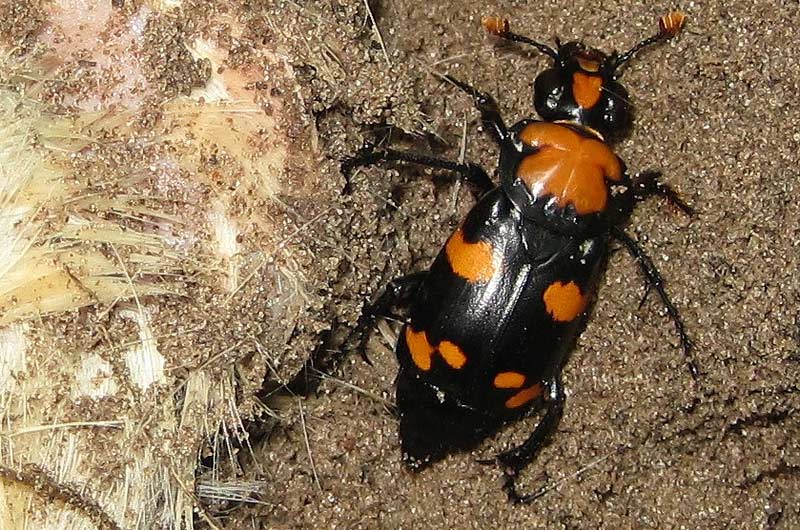
The minimum carrion size for breeding purposes is small birds or mammals. Beetles will fight over highly desirable carcasses until one dominant male and female American burying beetle remain. Together they bury the carcass using secretions to preserve it.

© Copyright 2026 Terraso, a fiscally sponsored project of Inquiring Systems, Inc.
Privacy Policy and Terms of Service
