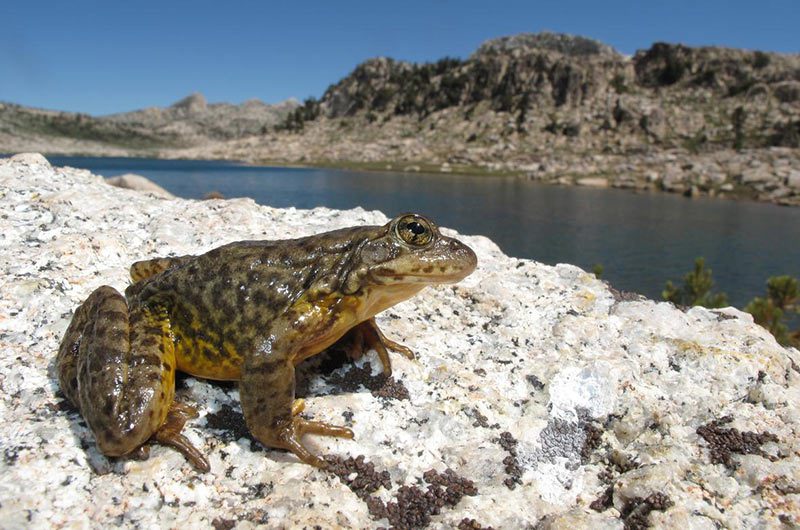
Sierra Nevada Yellow-legged Frog
Sierra Nevada yellow-legged frogs will produce a mink- or garlic-like odor when disturbed or threatened. This odor is used to discourage predators.

Sierra Nevada yellow-legged frogs will produce a mink- or garlic-like odor when disturbed or threatened. This odor is used to discourage predators.
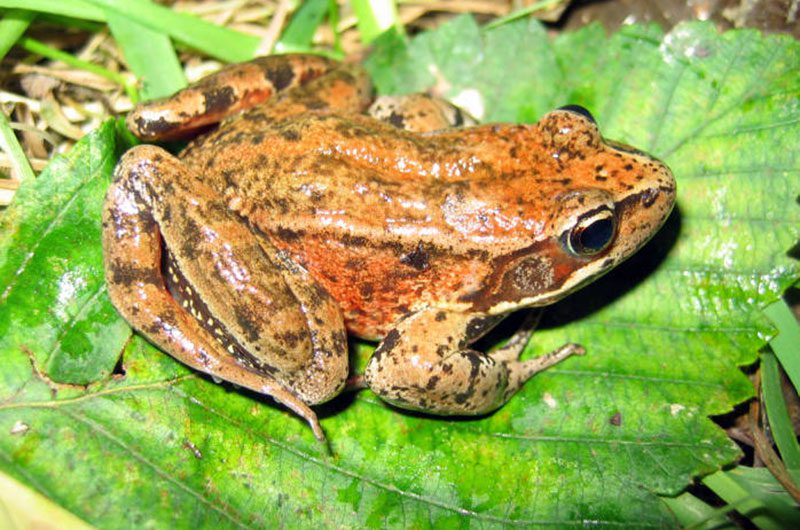
Northern red-legged frogs come back to the pond where they were tadpoles. Females even lay their eggs in the same location within the breeding pond each year.
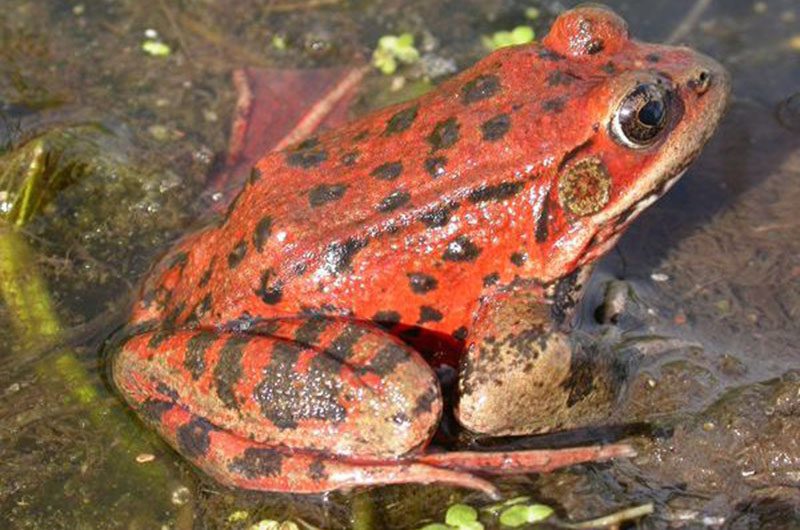
Many historians and scientists believe that the California red-legged frog inspired Mark Twain’s short story Celebrated Jumping Frog of Calaveras County.
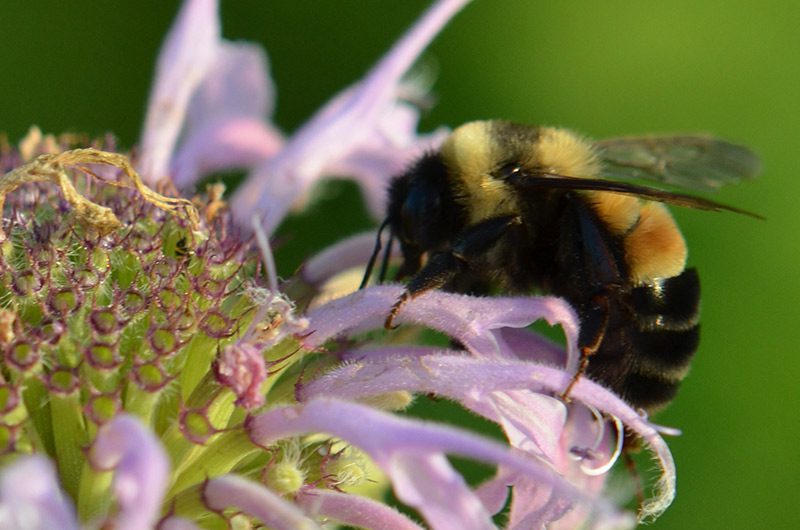
These bees are unique among other North American bumble bees in that the queen’s color pattern differs from that of the worker bees in the colony. The rusty patched bumble bee queen does not have a rusty patch.
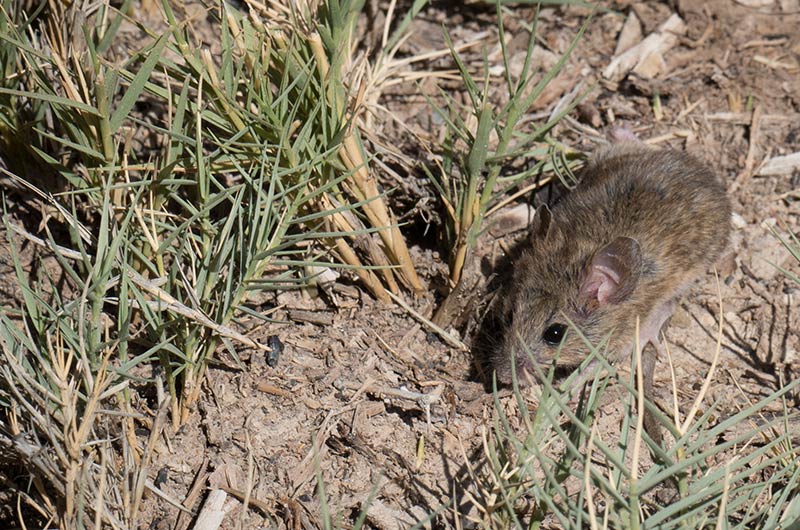
Western harvest mice are active year-round and produce multiple litters each year. One captive female produced seven litters totally 17 young in one year.

Fulvous harvest mice nests are usually built 1-3 ft/30-91 cm above the ground often in bushes. These nests can be converted bird nests or created by fulvous harvest mice. The baseball-sized nests are composed of shredded grass and forb stems with one opening.
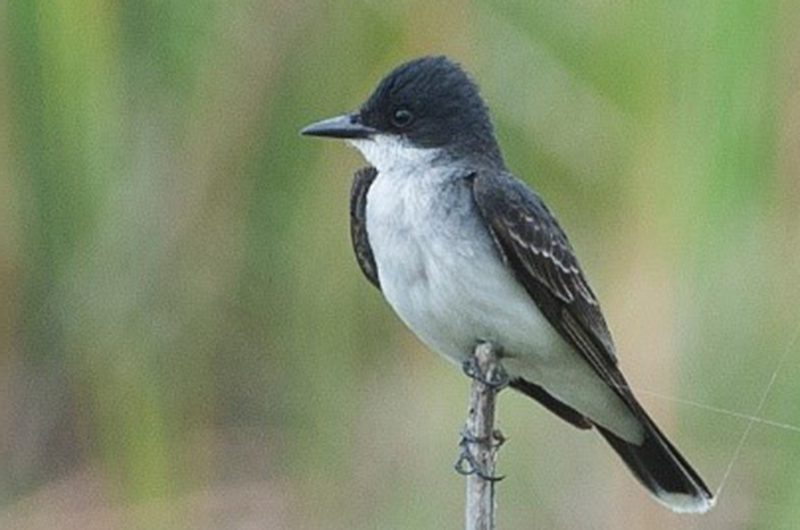
The eastern kingbird lives a double life each year. They eat mostly flying insects during the breeding season and aggressively defend their nest and territory from other kingbirds and much larger birds, like hawks and crows. However, during the winter, the eastern kingbird eats mostly fruit and lives in a flock of other birds.
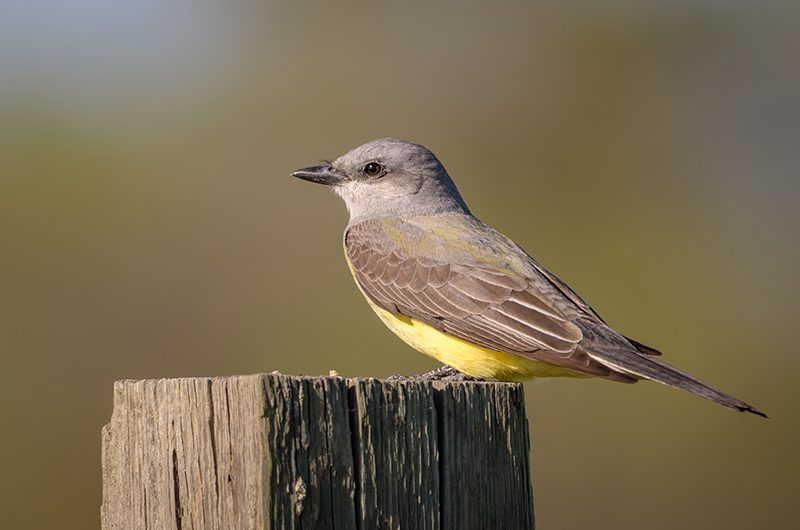
The western kingbird’s breeding range has expanded eastward since the late 1800s because human activity has provided habitat. The planting of trees and installation of utility poles in the prairie provides places for the birds to perch and hunt insects and also nest. In areas where forests have been cleared, the birds have more open habitats suitable for foraging for insects. Although known as the “western” kingbird, this species also often wanders to the East Coast during fall migration.
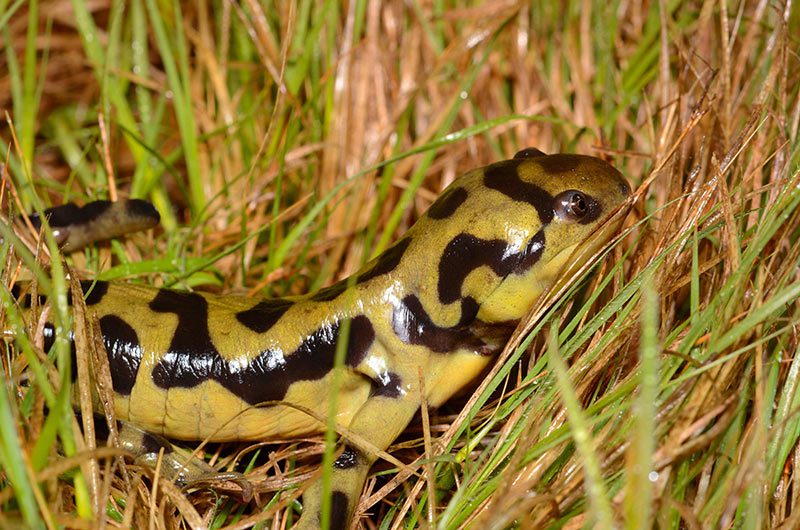
Some tiger salamander larvae become cannibalistic and prey on their own kind for survival. Additionally, not all larvae metamorphose into tiger salamander adults. Instead, they remain aquatic over winter and become capable of producing offspring.
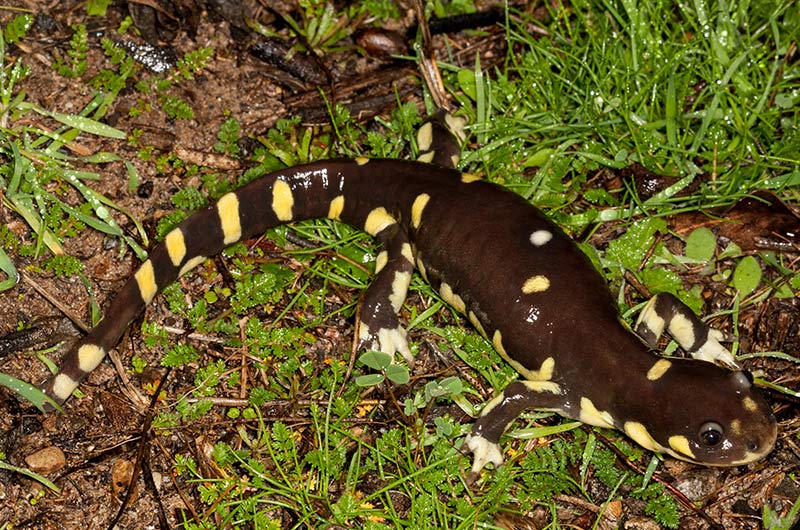
California tiger salamander was historically found across the Central Valley. Recently it was found on San Francisco Peninsula. While it is still found in Sonoma County, this population is geographically separated from the closest populations to the south by 45 mi/72 km.

© Copyright 2026 Terraso, a fiscally sponsored project of Inquiring Systems, Inc.
Privacy Policy and Terms of Service