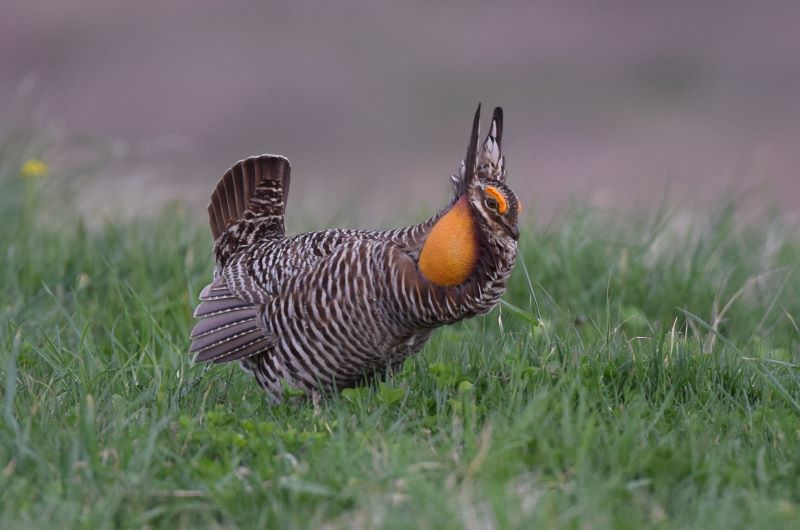
Greater Prairie-Chicken
In spring, males attract females by stamping their feet rapidly and making booming sounds with their air sacs. They often leap into the air with loud cackles.

In spring, males attract females by stamping their feet rapidly and making booming sounds with their air sacs. They often leap into the air with loud cackles.
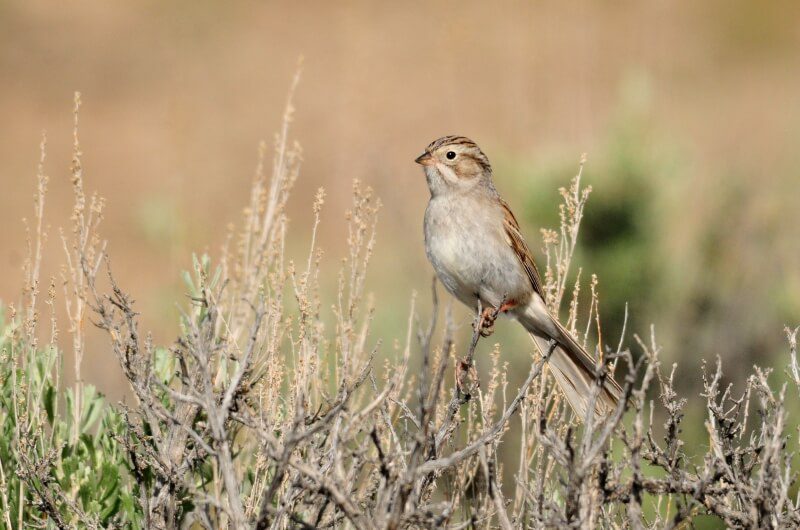
Brewer’s sparrows are highly adapted to dry environments year-round and can go weeks without drinking water.
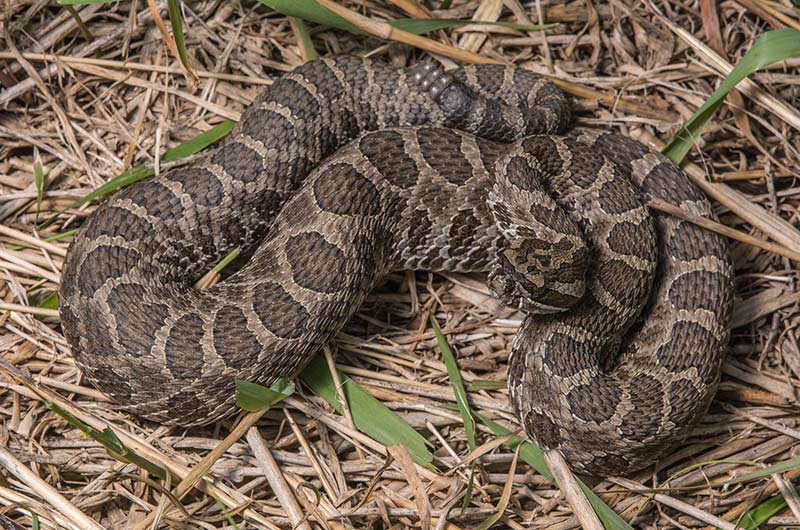
Communal denning throughout the winter season is a common occurrence for western massasauga. The den is called a hibernaculum.

Texas horned lizards feed primarily on harvester ants, 69% of their diet. They wait motionless along harvester ant trails and capture ants as they pass by flicking out their tongue and swallowing whole.
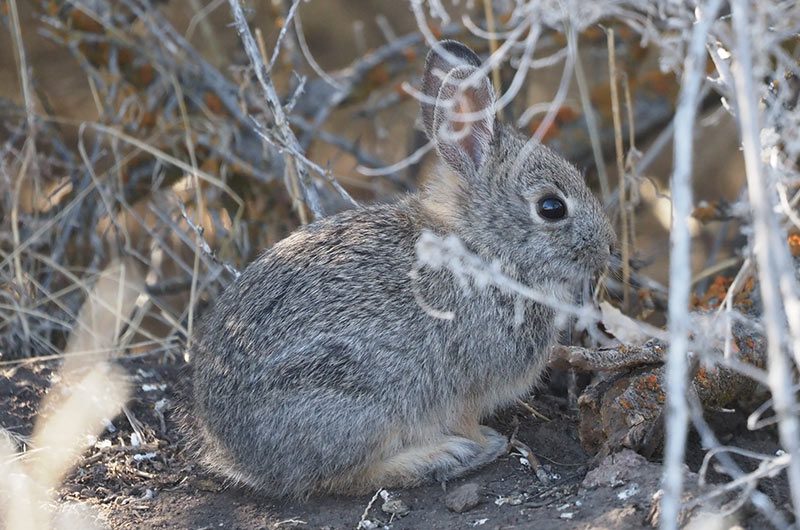
Pygmy rabbits are the only rabbit in the US that digs its own burrow. They also produce alarm vocalizations to communicate in response to threats, which is uncommon among rabbits.
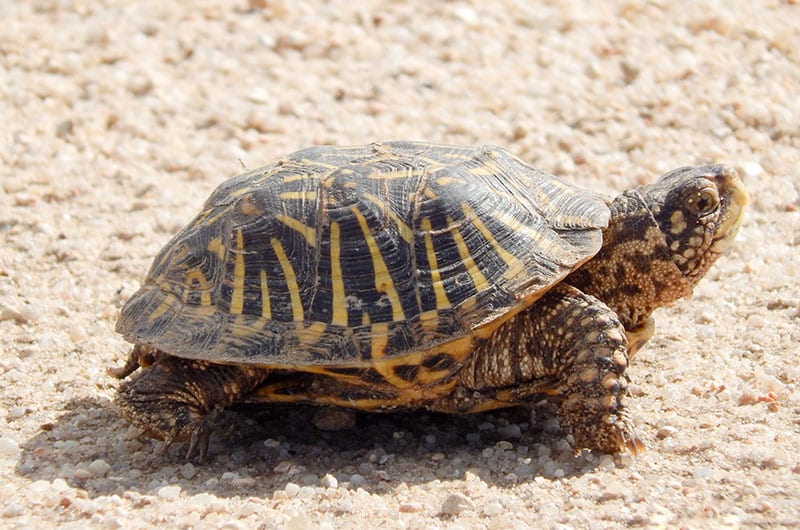
Ornate box turtles can live between 30-40 years. You can determine the approximate age of turtles by counting the number of growth lines on the underside of the shell.

External cheek pouches of olive-backed pocket mice, like other pocket mice are fur-lined and are used to collect and transport large quantities of seeds.
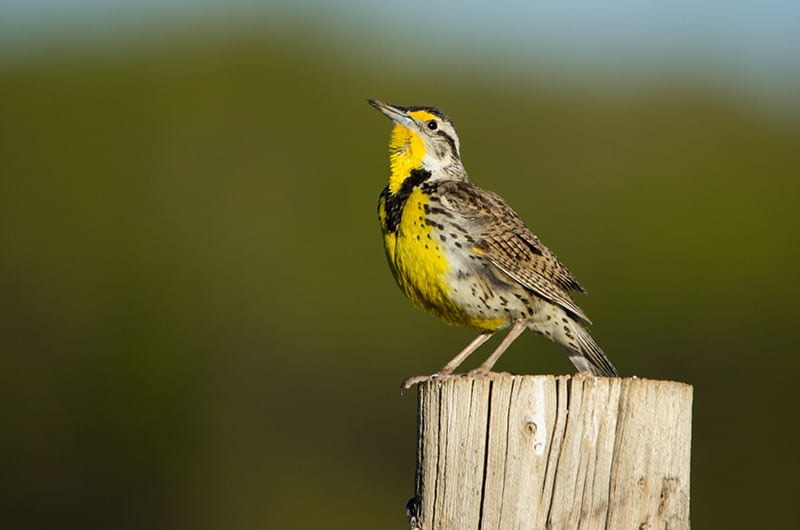
In 1914, California grain growers initiated a study on the Western Meadowlark’s diet to determine if the bird could be designated a pest species. Although they do eat grain, Western Meadowlarks help limit crop-damaging insects.

© Copyright 2026 Terraso, a fiscally sponsored project of Inquiring Systems, Inc.
Privacy Policy and Terms of Service