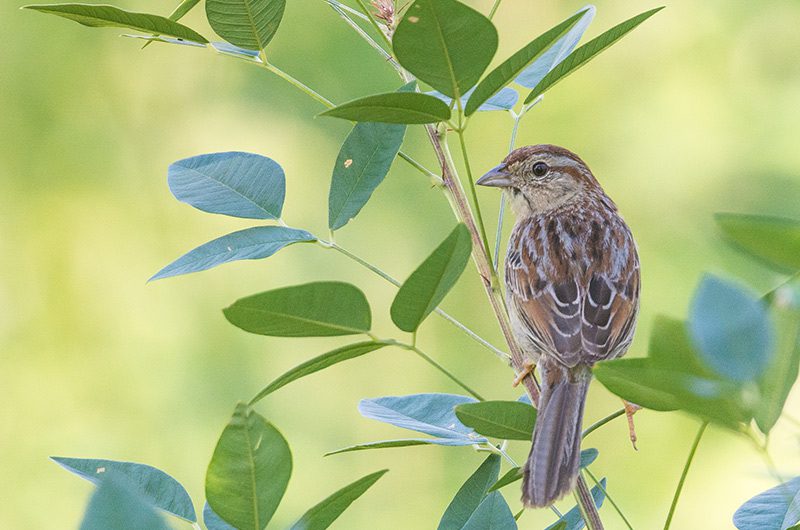
Bachman’s Sparrow
Only the female Bachman’s sparrow incubates the eggs, and then both the male and female care and feed the young after they hatch. During this time, the female will begin building a new nest for her next brood.

Only the female Bachman’s sparrow incubates the eggs, and then both the male and female care and feed the young after they hatch. During this time, the female will begin building a new nest for her next brood.

The blowout penstemon is only found in a small area of Nebraska and Wyoming where significant active sand dunes are found. Blowout penstemon has fragrant flowers, which is unusual for penstemons.
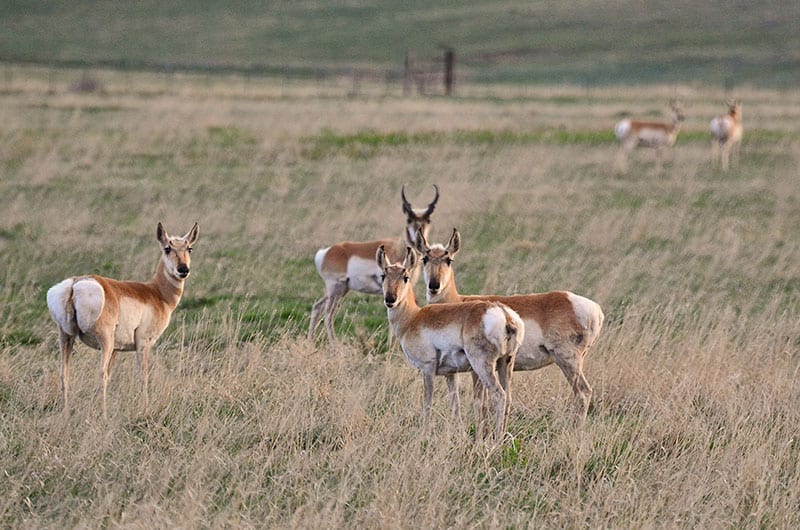
Female Pronghorns usually give birth to twins, with young females often giving birth to a single fawn. Pronghorn can reach speeds of 50 mph/80.5 kph and are North America’s fastest mammal.
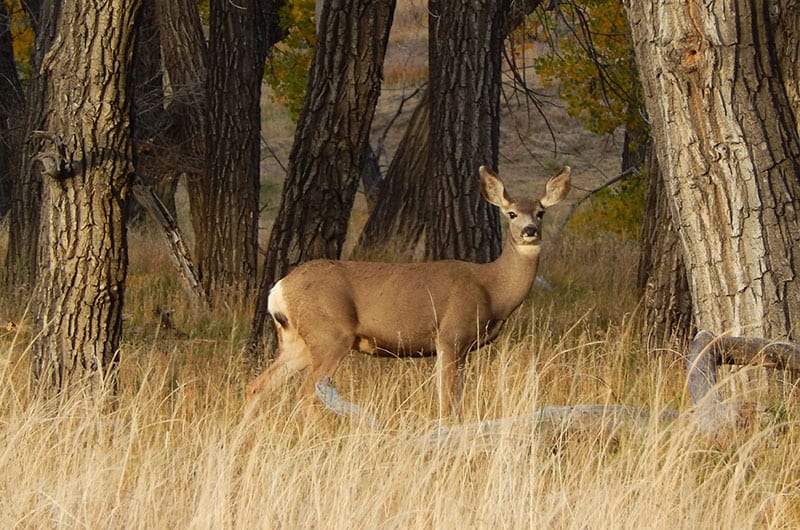
When alarmed, mule deer bound away with four feet hitting the ground together at each bound. This is called “slotting” and is different from white-tailed deer who spring from hind to front feet.

The monarch’s bright coloring warns predators not to eat it. Their toxins come from milkweed plants, which are the only food source for the caterpillars. While animals that eat a monarch butterfly usually do not die, they will get sick enough to avoid monarchs in the future.

Unlike most shorebirds, the Upland sandpiper is completely terrestrial, rarely associated with coastal or wetland habitats, an obligate grassland species. As a result, it is often recognized as an indicator of prairie health.
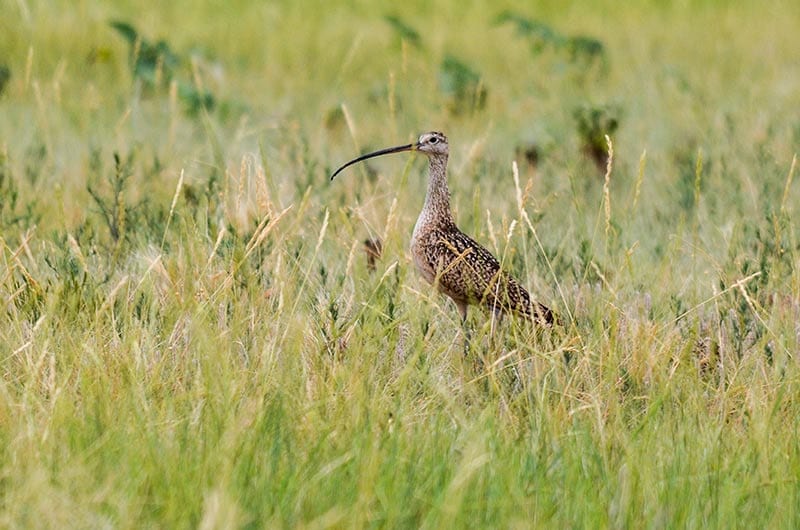
Adult curlews will vigorously chase and attack potential nest or chick predators including coyotes, raptors, and people. Adults become more aggressive towards predators as their eggs begin to hatch.
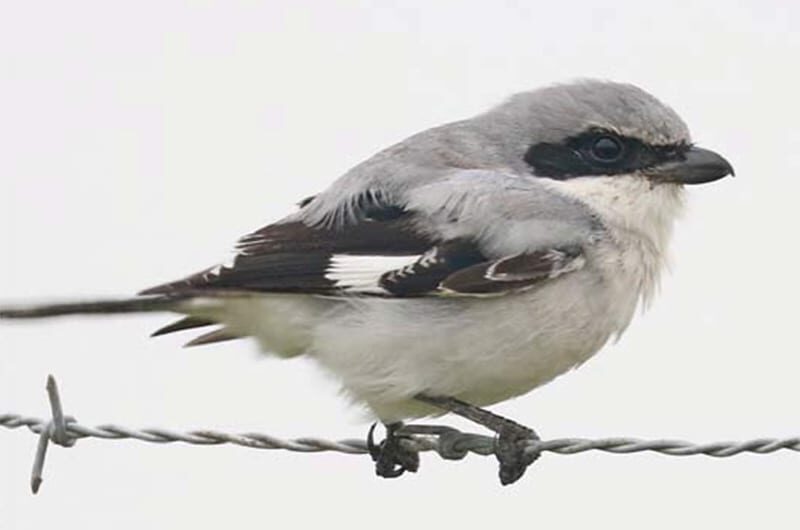
Some insects and amphibians are naturally toxic to birds, so shrikes store these toxic animals on thorns or barbed wire for a day or two until the toxins have degraded and the food is safe to eat.
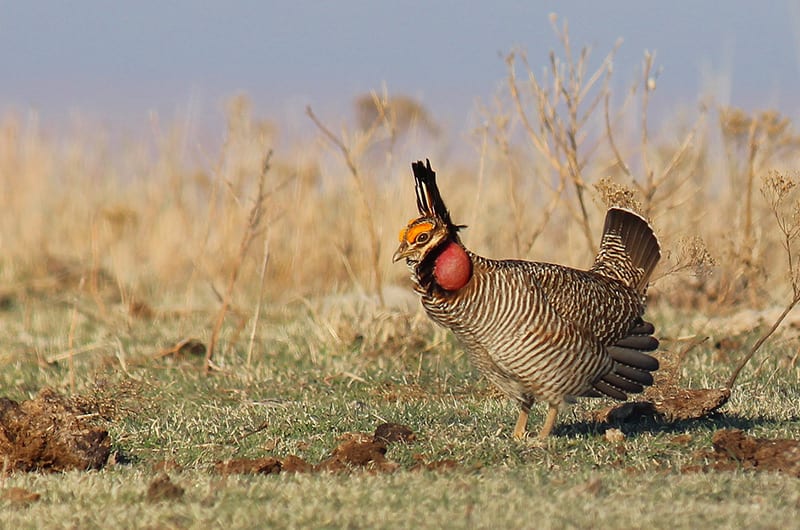
The lesser prairie-chicken has one of the smallest population sizes of grouse species in North America (estimated 28,000 birds) with an estimated decline of 97% from historic numbers. The lesser prairie-chicken is not currently listed for federal protection under the Endangered Species Act.

© Copyright 2026 Terraso, a fiscally sponsored project of Inquiring Systems, Inc.
Privacy Policy and Terms of Service