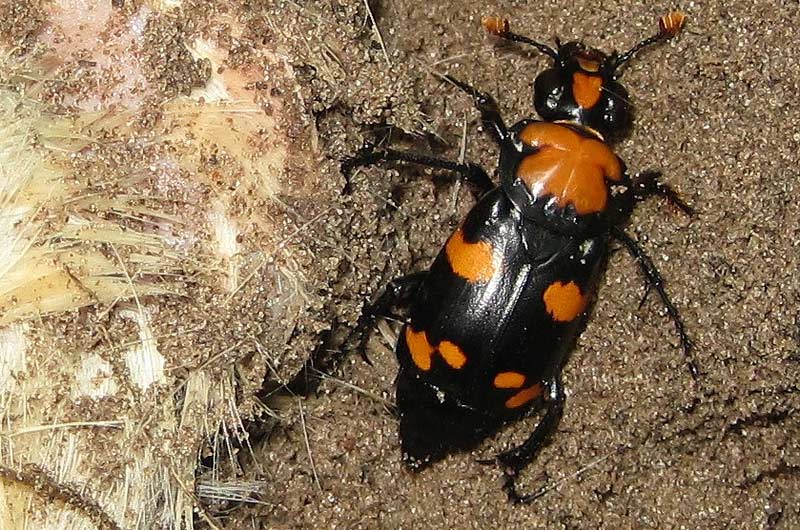
A closeup of an American burying beetle in dirt.

American Burying Beetle

The minimum carrion size for breeding purposes is small birds or mammals. Beetles will fight over highly desirable carcasses until one dominant male and female American burying beetle remain. Together they bury the carcass using secretions to preserve it.
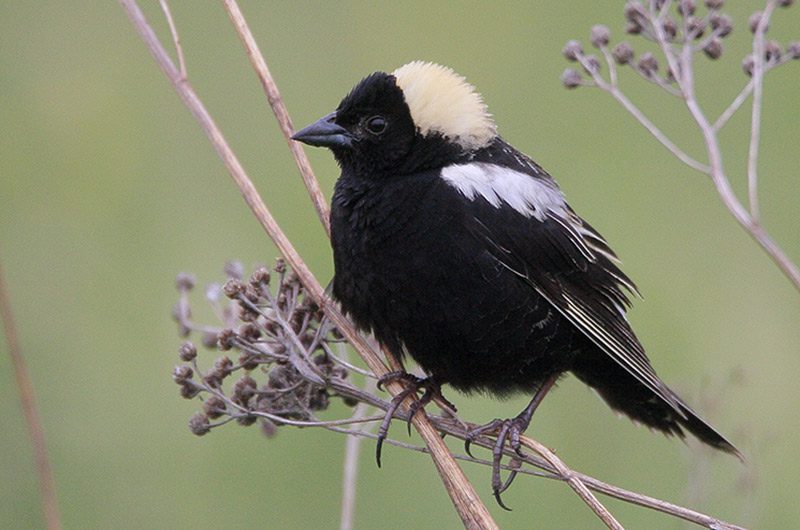
A bobolink perched on small twigs with dried flower heads.

Bobolink

The species name of the bobolink, oryzivorus means “rice eating” and refers to this bird’s appetite for rice and other grains, especially during migration and in winter. One of the most impressive songbird migrants, traveling some 12,500 mi/20,000 km to and from southern South America every year. A migrating bobolink can orient itself with the earth’s magnetic field, thanks to iron oxide in bristles of its nasal cavity and in tissues around the olfactory bulb and nerve. Bobolinks also use the starry night sky to guide their travels.

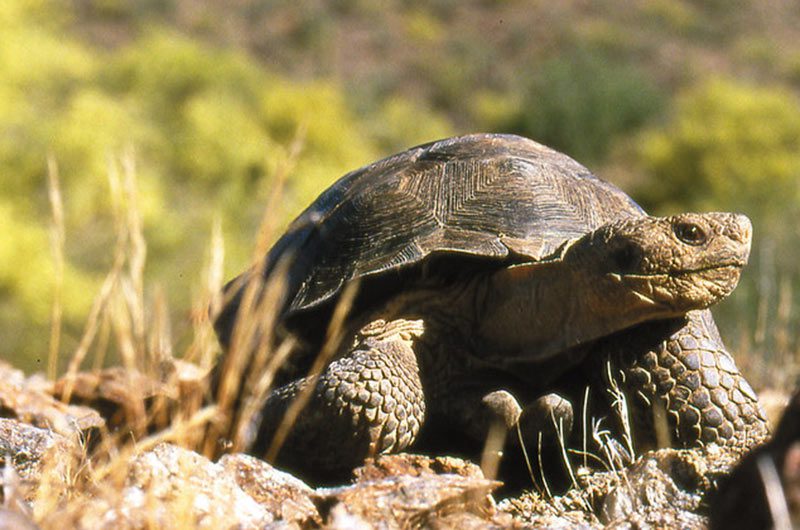
A Sonoran Desert Tortoise moves along rocks and shrubs.

Sonoran Desert Tortoise

Sonoran Desert tortoises eat a wide variety of wildflowers, grasses and cacti. However, they will also occasionally eat insects, especially when young. Some have even been observed scavenging road-kill lizards. Additionally, Sonoran Desert tortoises eat soil with calcium carbonate for nutrients.

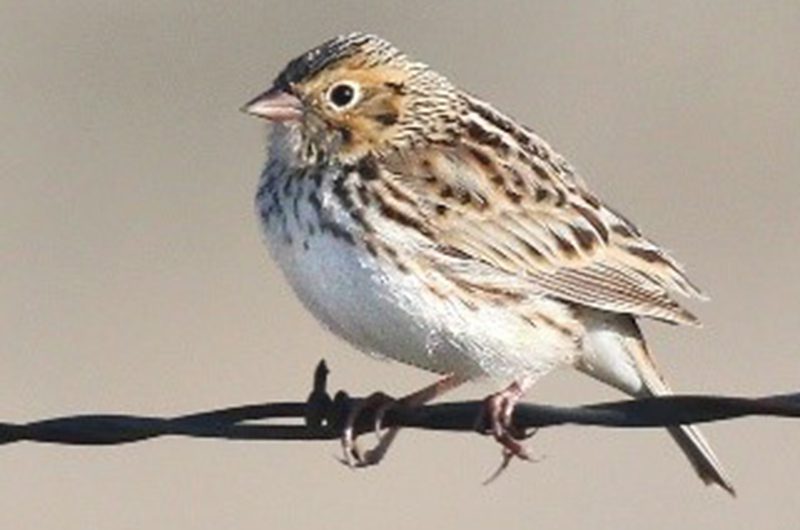
A Baird's sparrow perched on a barbed wire.

Baird’s Sparrow

Baird’s sparrows were recently discovered breeding in the grassland prairie of northeastern Colorado. They typically breed hundreds of miles away in northeastern Montana, western North Dakota, and southern Canada. This discovery means the species can successfully colonize and nest in a different location and habitat than it has in the past.

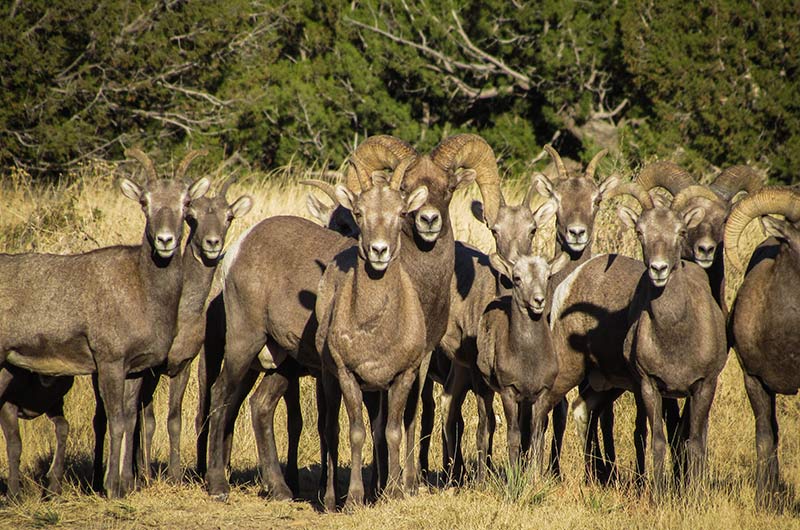
A small group of male and female bighorn sheep all looking at the photographer.

Bighorn Sheep

A male bighorn sheep has horns that can weigh up to 30 lb/14 kg. Rams compete for mating rights by rushing, rearing up, and crashing their horns together. The sound of their ramming can be heard echoing through the mountains.

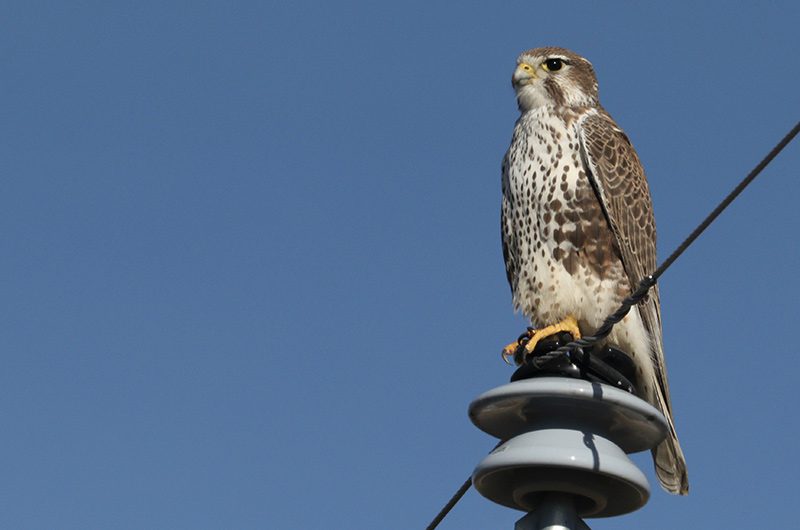
A prairie falcon

Prairie Falcon

Prairie falcon pairs are notoriously aggressive in defending their nest sites—against great horned owls, eagles, hawks, and even other prairie falcons, sometimes killing fledglings that stray into the wrong territory.

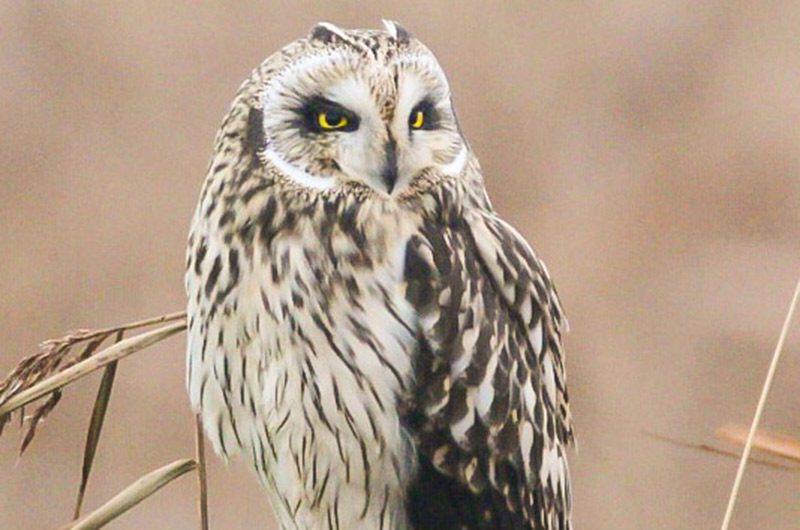
A short-eared owl.

Short-Eared Owl

Short-eared owls can travel long distances over vast expanses of ocean. Witnesses have reported seeing these owls descending on ships hundreds of miles from land.

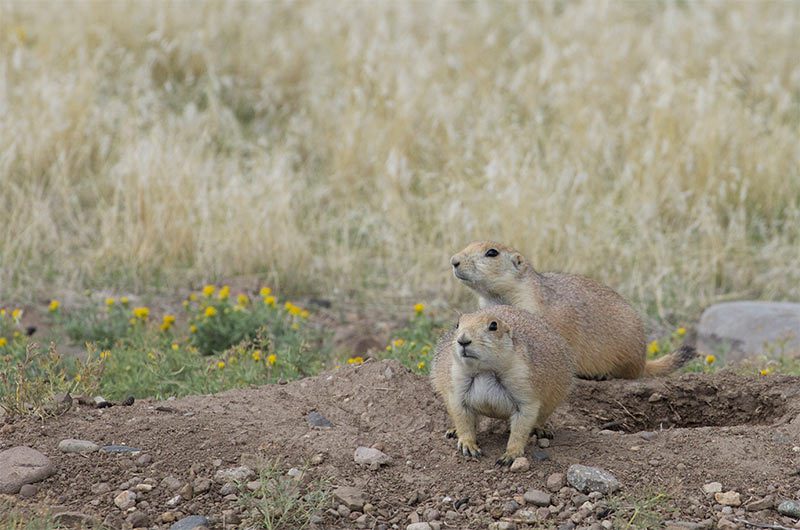
Two black-tailed prairie dogs on a mound of dirt near a burrow entrance surrounded by prairie grassland.

Black-Tailed Prairie Dog

Black-tailed prairie dog families consist of one male, three or four females, and their pups. Female black-tailed prairie dogs are in estrous for a single day, which is when all breeding takes place. Only about half will wean a litter because of high mortality rates of pups. Males leave their families a year after weaning.

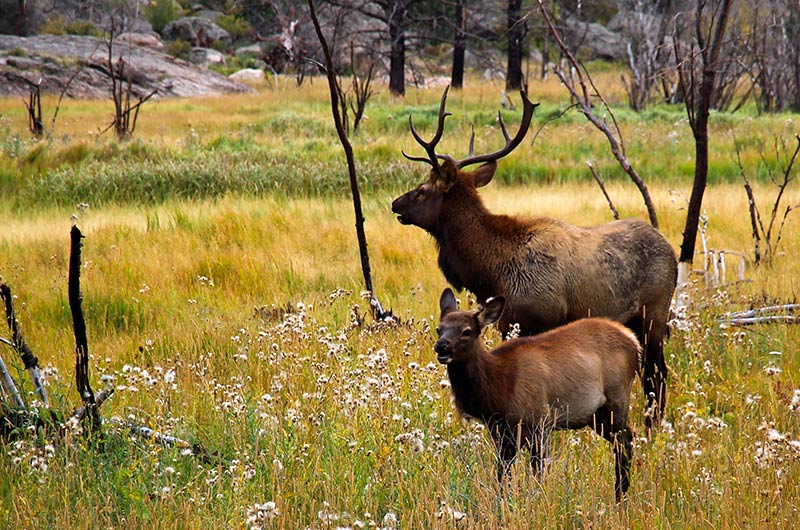
A pair of elk, one with antlers, stand in an open meadow with sparse thin trees.

North American Elk

At one time, elk were the most widely distributed member of the deer family in North America, found from the Atlantic to the Pacific coasts, and from Mexico to northern Alberta, once numbering 10 million individuals. In the early 1900s they numbered just 100,000.

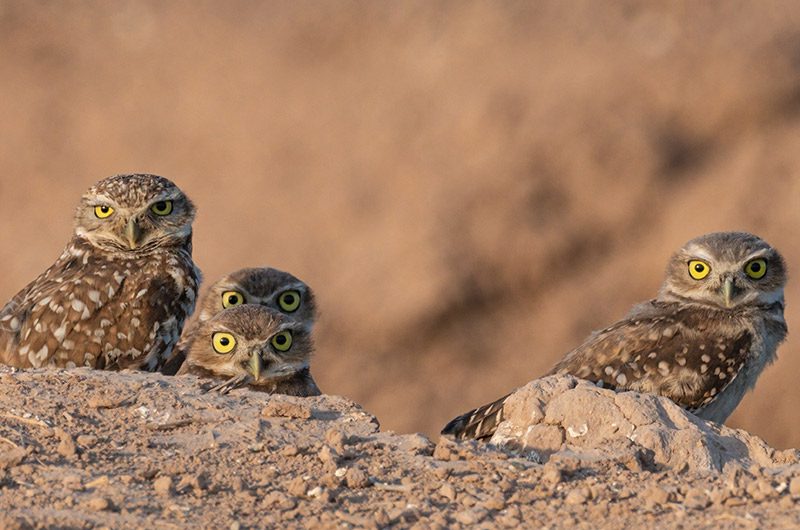
Four burrowing owls peek over a soil ridge.

Burrowing Owl

Before laying eggs, burrowing owls carpet the entrances to their homes with animal dung, which attracts dung beetles and other insects that the owls then catch and eat.