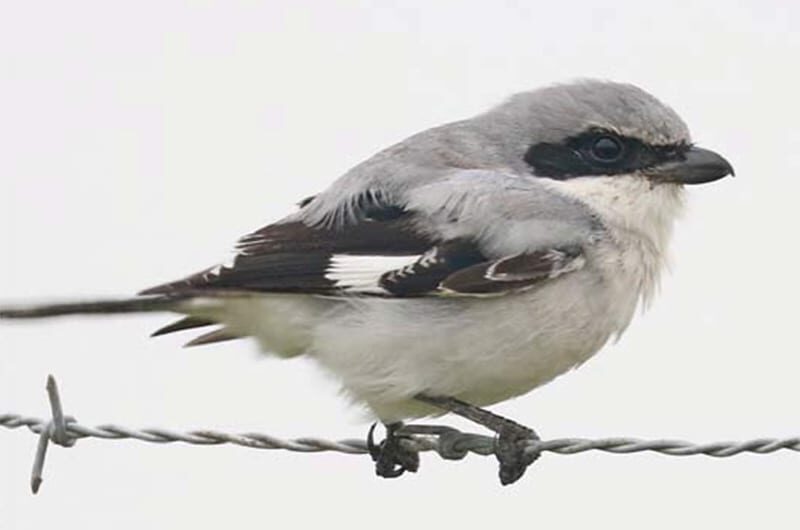
Loggerhead Shrike
Some insects and amphibians are naturally toxic to birds, so shrikes store these toxic animals on thorns or barbed wire for a day or two until the toxins have degraded and the food is safe to eat.

Some insects and amphibians are naturally toxic to birds, so shrikes store these toxic animals on thorns or barbed wire for a day or two until the toxins have degraded and the food is safe to eat.
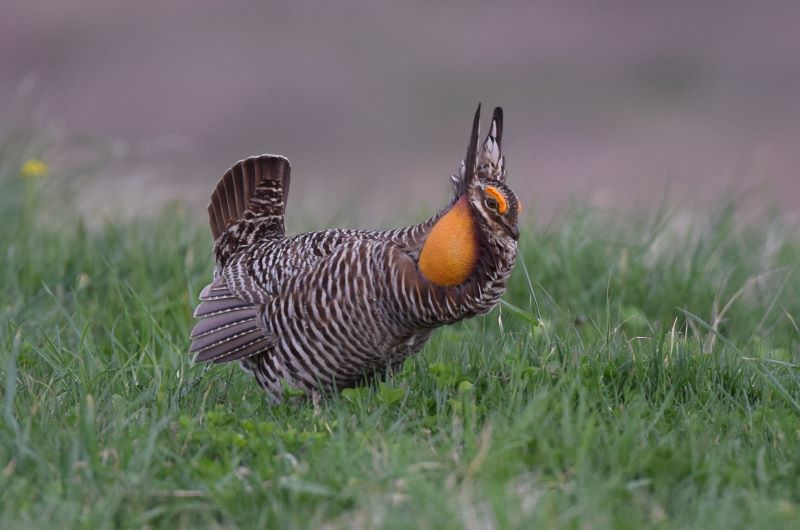
In spring, males attract females by stamping their feet rapidly and making booming sounds with their air sacs. They often leap into the air with loud cackles.
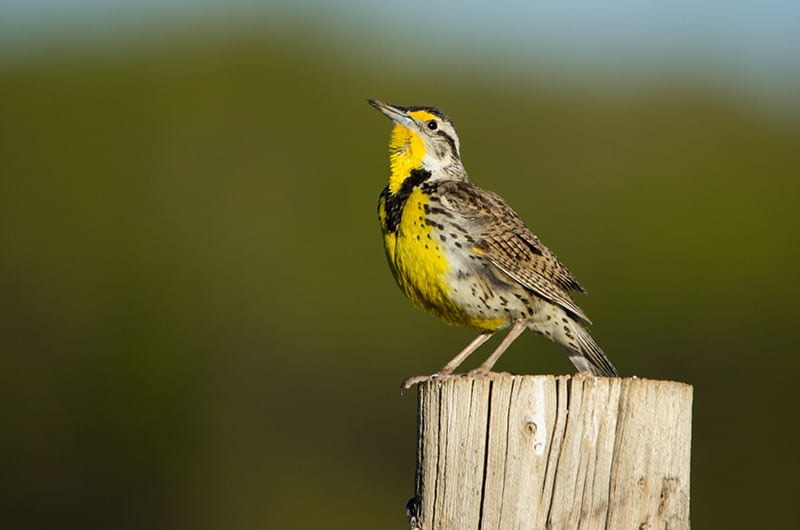
In 1914, California grain growers initiated a study on the Western Meadowlark’s diet to determine if the bird could be designated a pest species. Although they do eat grain, Western Meadowlarks help limit crop-damaging insects.

© Copyright 2026 Terraso, a fiscally sponsored project of Inquiring Systems, Inc.
Privacy Policy and Terms of Service