A scissor-tailed flycatcher

Scissor-tailed Flycatcher

During the breeding season, scissor-tailed flycatchers live on their own or with a mate. However, before migrating south for the winter, scissor-tailed flycatchers often gather in large groups to rest (or roost). These flocks may contain a hundred or even a thousand individuals. The birds will also gather in large flocks on their wintering grounds, but they leave the flock to feed on their own or in pairs. They very rarely feed within the large flock.
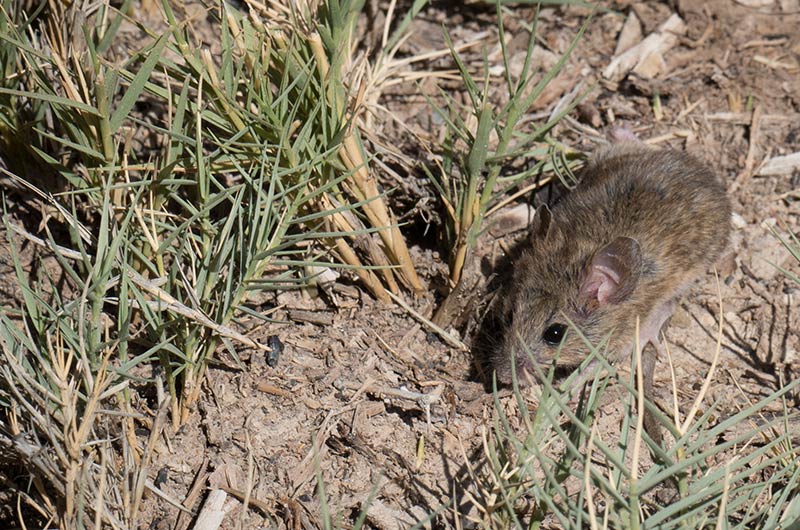
A western harvest mouse on the ground among grasses.

Western Harvest Mouse

Western harvest mice are active year-round and produce multiple litters each year. One captive female produced seven litters totally 17 young in one year.

Plains Harvest Mouse

A plains harvest mouse in captivity gave birth at least four times in one year.  Young mice are sexually mature at two months. Nests are composed of fine grasses compacted into small balls approximately 4 x 3 in/10 x 6 cm in bunchgrasses close to or on the ground.

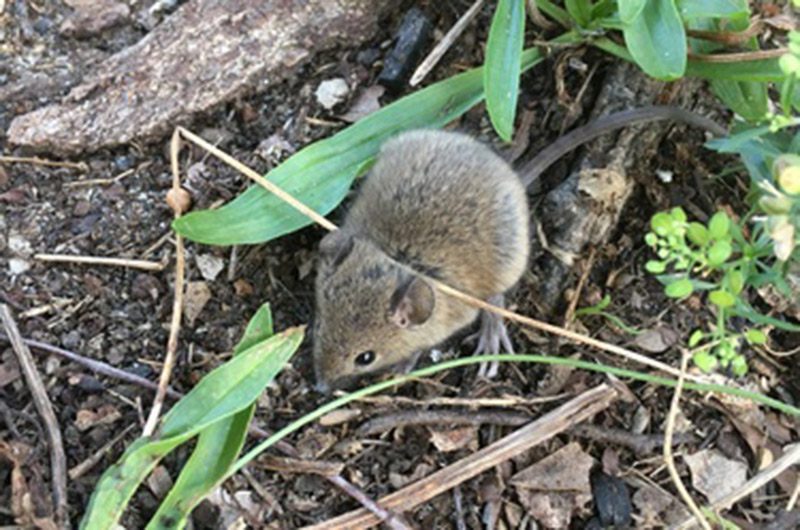
Eastern harvest mouse view from above. The mouse is resting on the ground among vegetation.

Eastern Harvest Mouse

Eastern harvest mice breed nearly year-round with peak in spring. They become sexually mature at 2-4 months.

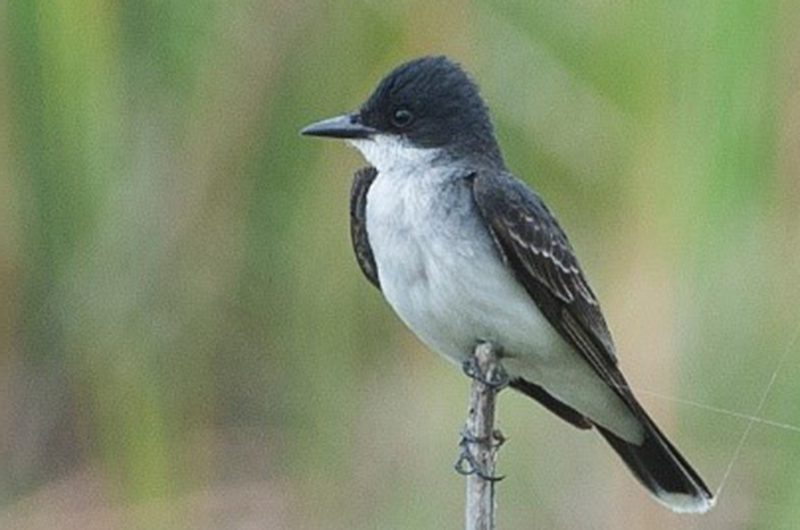
An eastern kingbird perched on a thin branch.

Eastern Kingbird

The eastern kingbird lives a double life each year. They eat mostly flying insects during the breeding season and aggressively defend their nest and territory from other kingbirds and much larger birds, like hawks and crows. However, during the winter, the eastern kingbird eats mostly fruit and lives in a flock of other birds.

Western kingbird

Western Kingbird

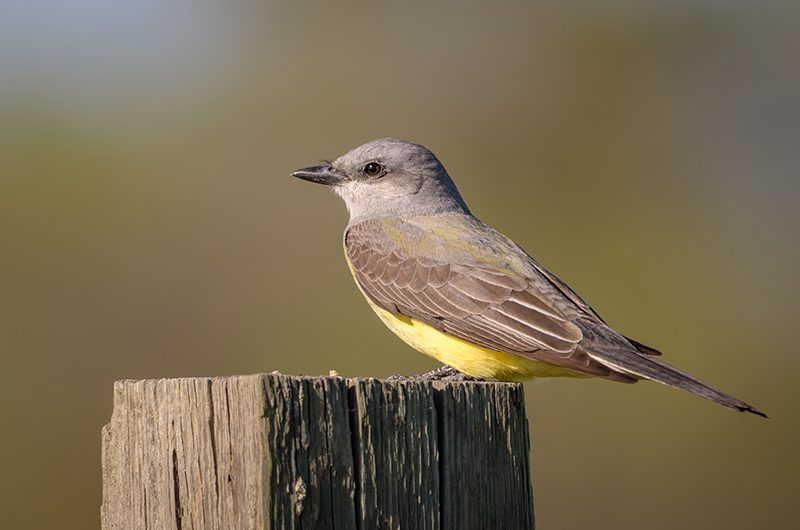
The western kingbird’s breeding range has expanded eastward since the late 1800s because human activity has provided habitat. The planting of trees and installation of utility poles in the prairie provides places for the birds to perch and hunt insects and also nest. In areas where forests have been cleared, the birds have more open habitats suitable for foraging for insects. Although known as the “western” kingbird, this species also often wanders to the East Coast during fall migration.

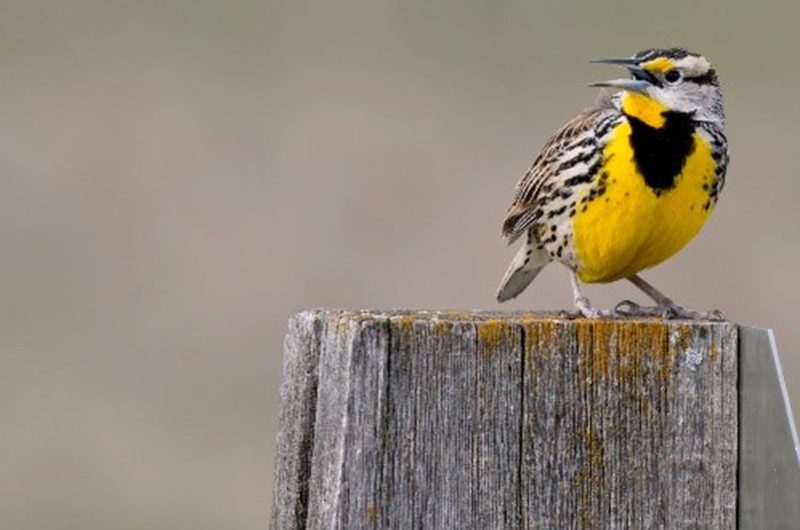
Eastern meadowlark with beak open perched on a post.

Eastern Meadowlark

There are up to 17 subspecies of eastern meadowlark including the isolated Lillian’s meadowlark, which is found in Arizona, New Mexico, and northern Mexico. Where eastern and western meadowlarks overlap in the Central Plains, they rarely hybridize or share territories. Although they look very similar, their songs sound completely different, and they will fight to defend their territories from one another.

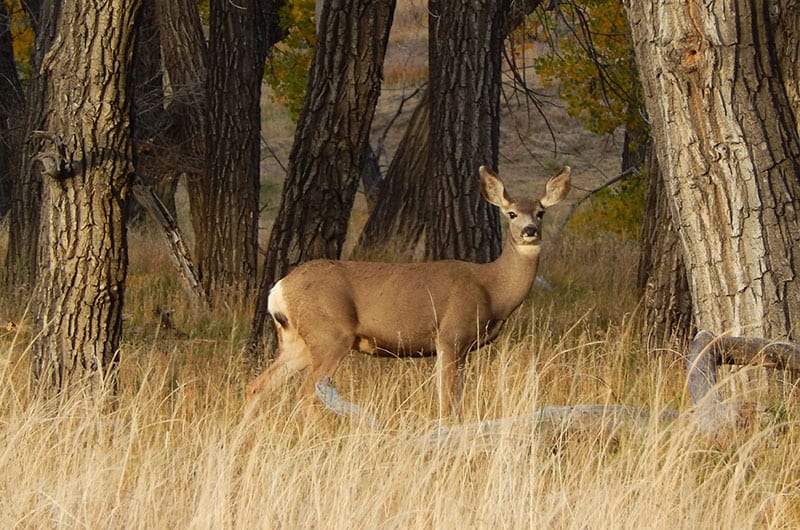
An adult mule deer stands in tall grasses in front of trees.

Mule Deer

When alarmed, mule deer bound away with four feet hitting the ground together at each bound. This is called “slotting” and is different from white-tailed deer who spring from hind to front feet.

Upland sandpiper on a post.

Upland Sandpiper

Unlike most shorebirds, the Upland sandpiper is completely terrestrial, rarely associated with coastal or wetland habitats, an obligate grassland species. As a result, it is often recognized as an indicator of prairie health.

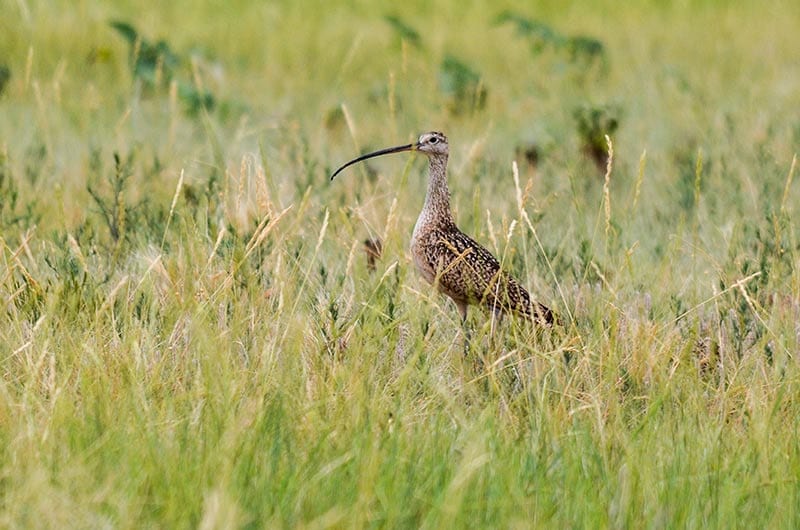
A long-billed curlew stands among grasses.

Long-billed Curlew

Adult curlews will vigorously chase and attack potential nest or chick predators including coyotes, raptors, and people. Adults become more aggressive towards predators as their eggs begin to hatch.