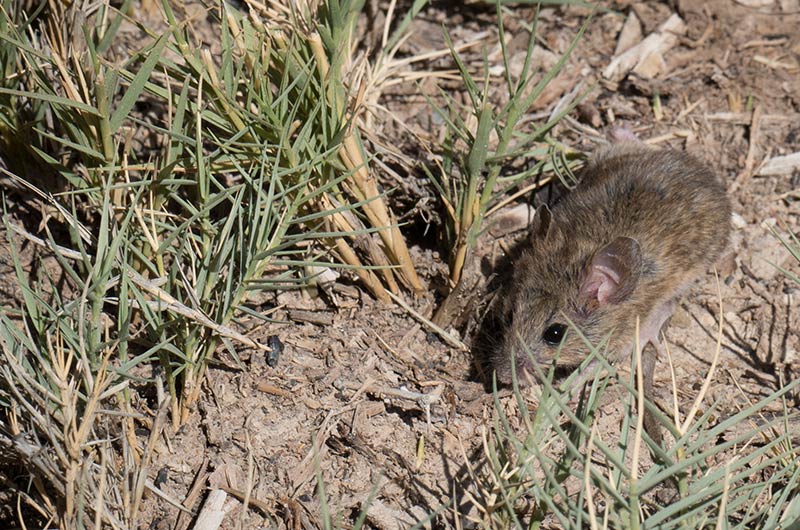
Western Harvest Mouse
Western harvest mice are active year-round and produce multiple litters each year. One captive female produced seven litters totally 17 young in one year.

Western harvest mice are active year-round and produce multiple litters each year. One captive female produced seven litters totally 17 young in one year.

The salt marsh harvest mouse is well suited to tidal salt marshes as they can withstand high levels of salt in their food and water as well as having a strong ability to swim and climb.

Eastern harvest mice breed nearly year-round with peak in spring. They become sexually mature at 2-4 months.
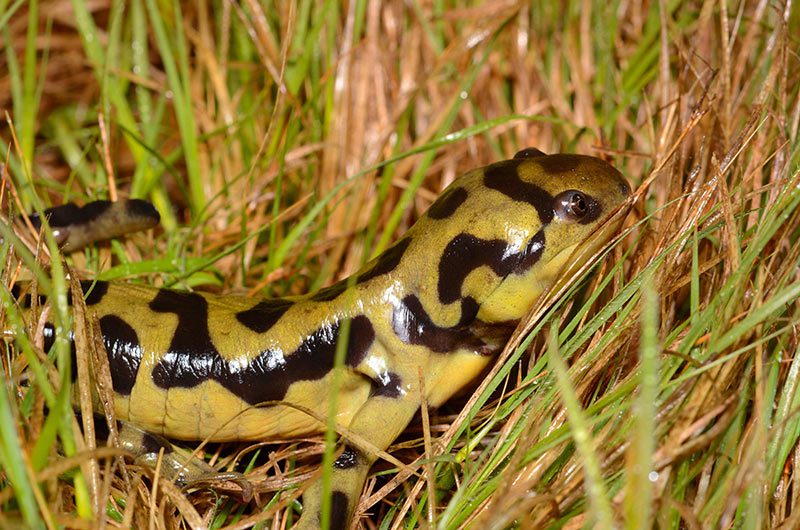
Some tiger salamander larvae become cannibalistic and prey on their own kind for survival. Additionally, not all larvae metamorphose into tiger salamander adults. Instead, they remain aquatic over winter and become capable of producing offspring.
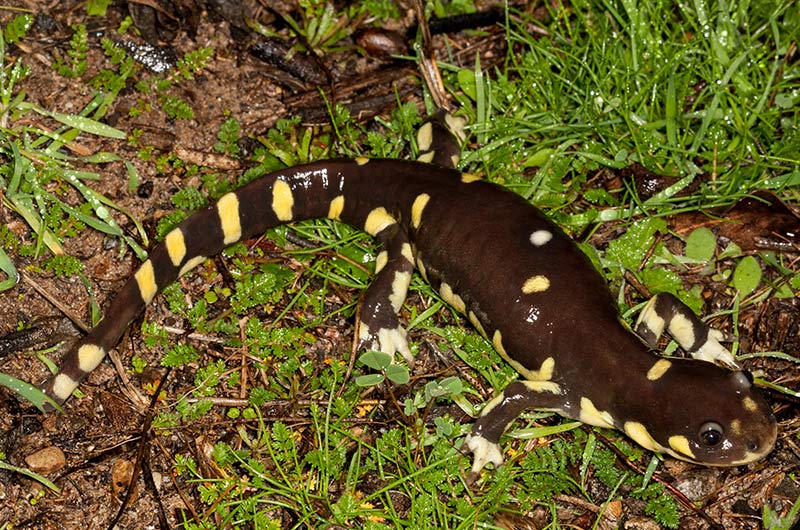
California tiger salamander was historically found across the Central Valley. Recently it was found on San Francisco Peninsula. While it is still found in Sonoma County, this population is geographically separated from the closest populations to the south by 45 mi/72 km.
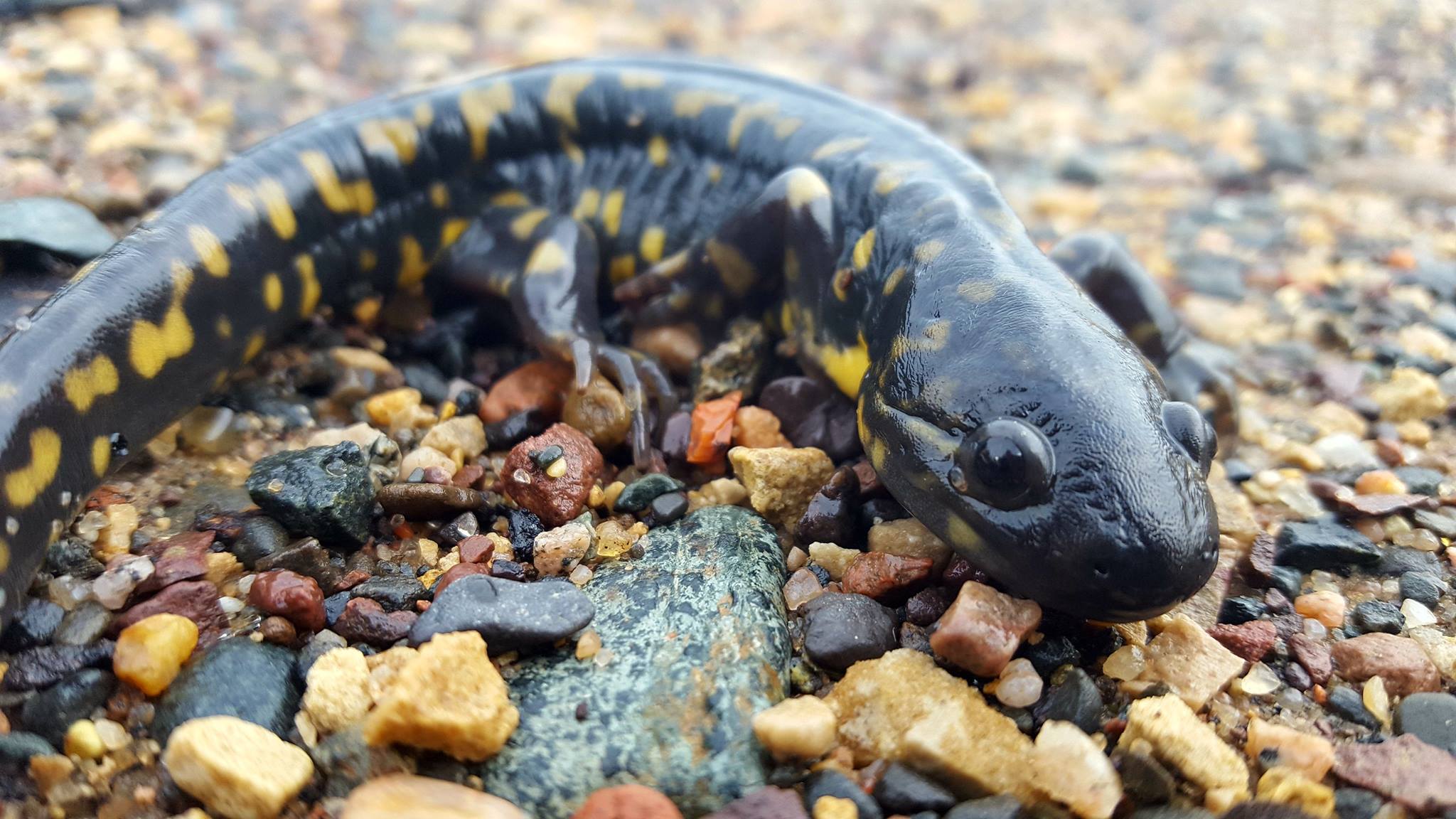
Tiger salamanders can live up to 14 years and grow 12 in/30cm, double the average size. When too many eggs are laid in a body of water, hatchlings can turn cannibalistic as a method of survival.

At times, two crested caracaras will pair up to take on larger prey, like rabbits. When a caracara feeds on roadkill, it is dominant over vultures, oftentimes scaring them away. They have flatter talons than most raptors allowing running on the ground more efficiently.

© Copyright 2026 Terraso, a fiscally sponsored project of Inquiring Systems, Inc.
Privacy Policy and Terms of Service