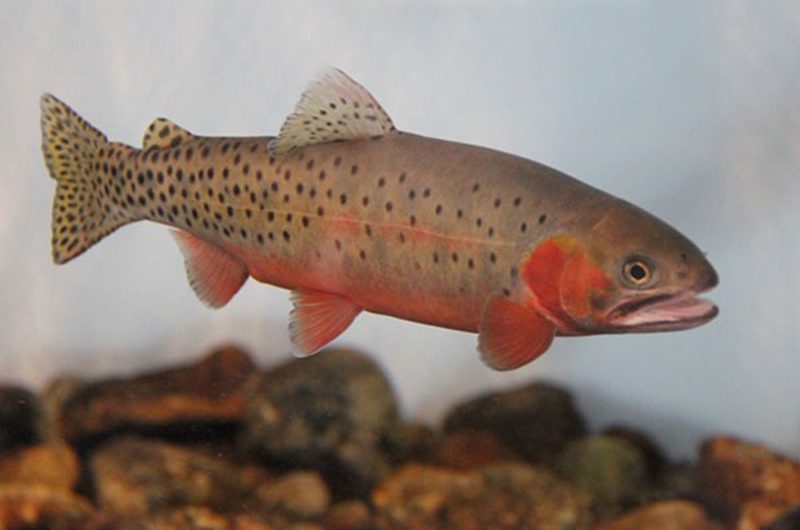
Inland Cutthroat Trout
Cutthroat trout inhabit clear, cold streams, rivers, and lakes with low fine sediment levels, well vegetated streambanks, and lots of instream cover.

Cutthroat trout inhabit clear, cold streams, rivers, and lakes with low fine sediment levels, well vegetated streambanks, and lots of instream cover.
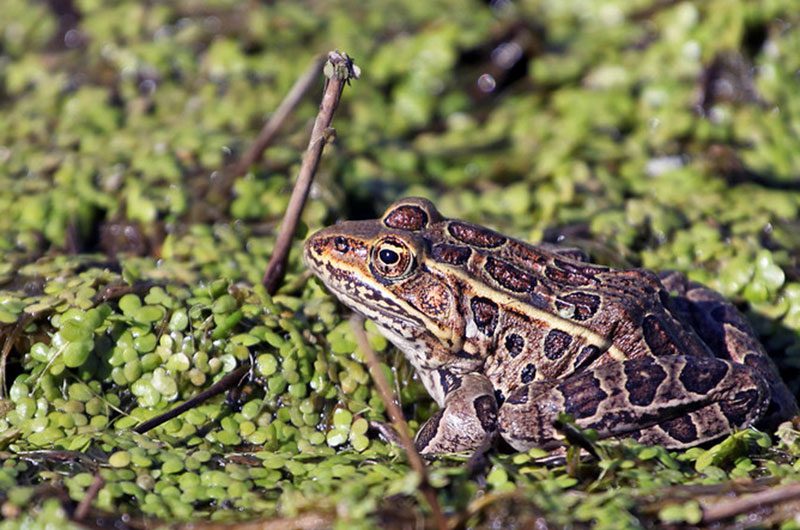
Northern leopard frogs get their name from the leopard-like spots on their backs and limbs. Each spot is dark brown with a lighter “halo” around it. There are two color variations. One, called the burnsi phase, has a solid, spotless back and spots or bars on the legs. The other, called the kandiyohi phase, is mottled across the back and side.
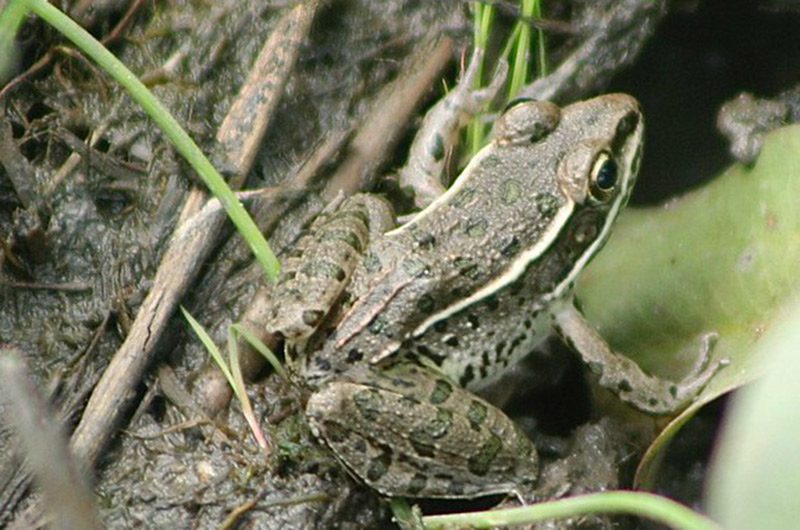
Females lay up to a few thousand eggs from spring to early fall in temporary or permanent water sources, including ponds, flooded areas, marshes, and sloughs, often in muddy water. Tadpoles that hatch early will become young frogs by summer, while those from later clutches spend winter as tadpoles and become frogs the following spring.

Unlike most shorebirds, the Upland sandpiper is completely terrestrial, rarely associated with coastal or wetland habitats, an obligate grassland species. As a result, it is often recognized as an indicator of prairie health.
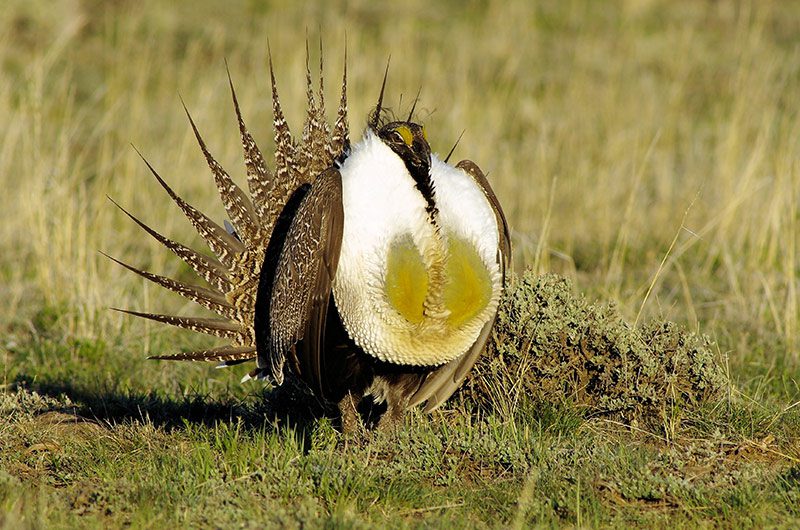
Greater sage-grouse are adapted to eat the leaves of sagebrush shrubs year-round. Sagebrush have a characteristic smell from chemicals called monoturpenoids, which are toxic to most wildlife. Sage-grouse have evolved to eat sagebrush leaves without getting sick.
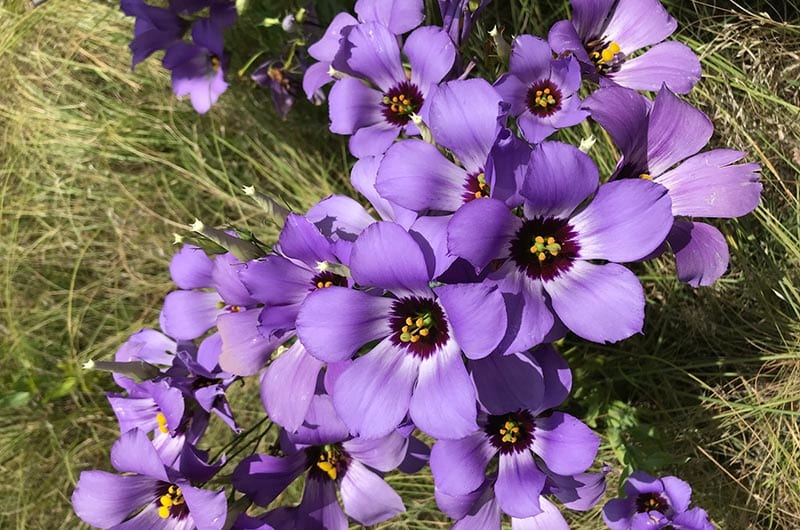
Showy prairie gentian is considered one of the handsomest prairie wildflowers.
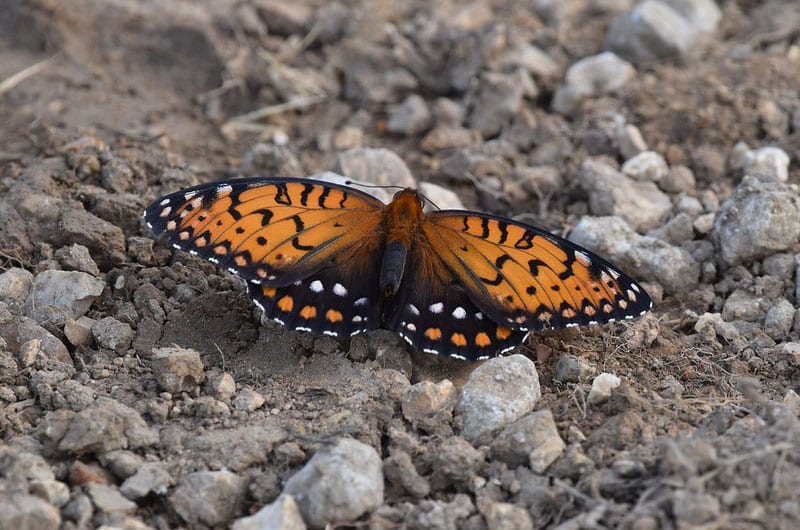
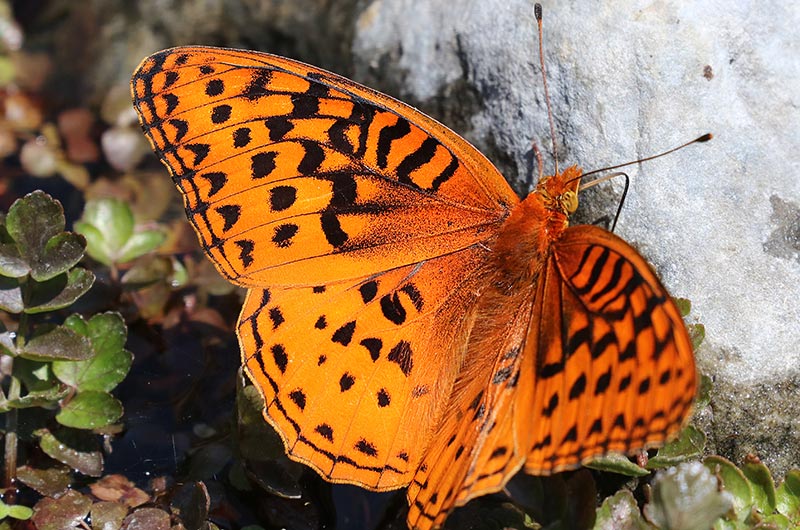
The regal fritillary is thought to be one of the most spectacular Temperate Zone butterflies in the world, especially females are striking when seen in the field.

© Copyright 2026 Terraso, a fiscally sponsored project of Inquiring Systems, Inc.
Privacy Policy and Terms of Service