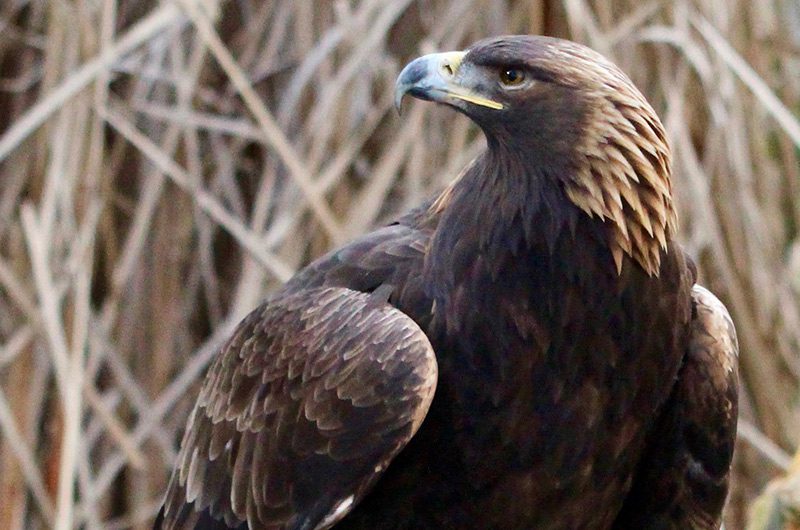
A golden eagle

Golden Eagle

Although capable of killing large prey, golden eagles primarily hunt rabbits, hares, ground squirrels, and prairie dogs. It takes a juvenile bird four years to reach adulthood, juveniles typically don’t have territories and don’t migrate far from their natal territories (where they hatched). They disperse and ”hang around” the region for several years.
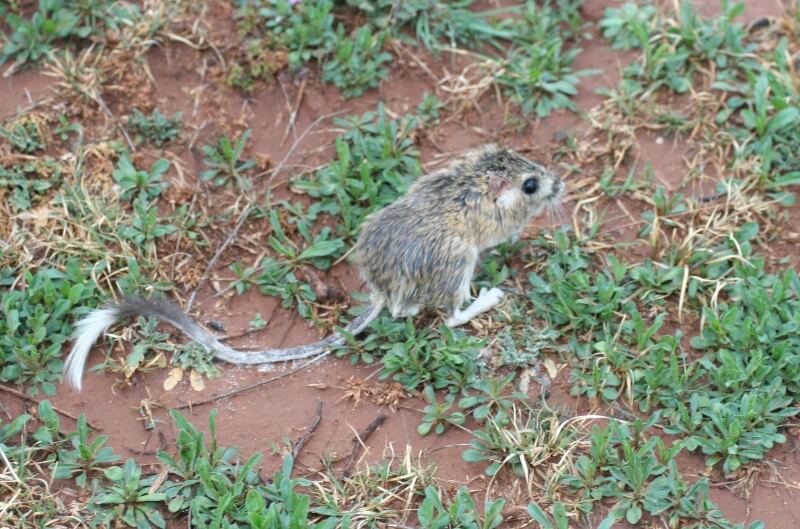
Texas kangaroo rat on the ground

Texas Kangaroo Rat

Texas kangaroo rats rarely need to drink water. They’re highly adapted to arid environments where standing water is scarce and get moisture from vegetation. They also have cheek pouches which they use to gather grass seeds and store them in their underground burrows to survive drought.

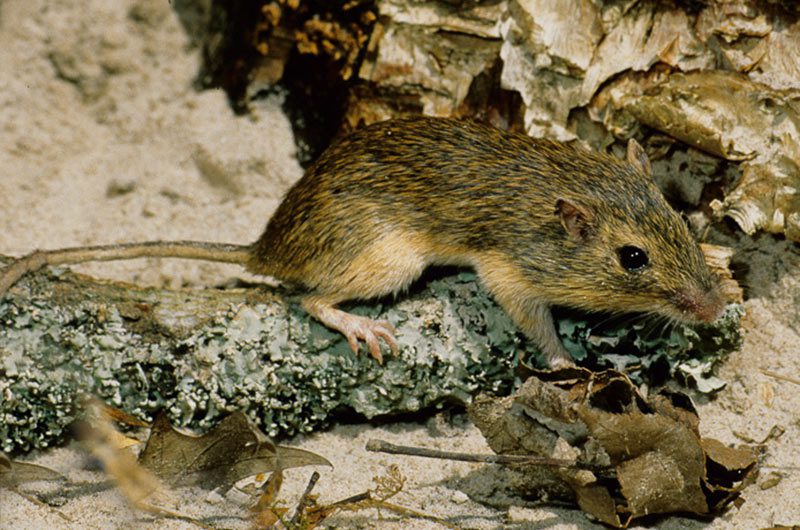
a hispid pocket mouse

Hispid Pocket Mouse

Hispid pocket mice store seeds in burrows for consumption during the winter. Older animals tend to build more complex burrow systems than younger animals.

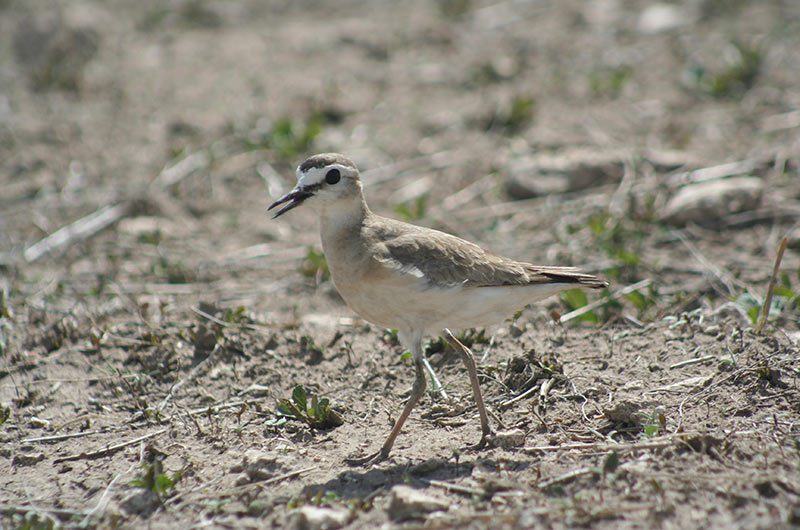
A mountain plover

Mountain Plover

The mountain plover has an unusual mating strategy to increase hatching success of their young. The male builds two nests on the ground (see photo above), often incorporating bits of rocks or even cow pies. The female lays 3 eggs in each nest. The adults are likely not monogamous so there could be more than one father! Each adult incubates a nest to double the likelihood of success, this uniparental strategy is rare among shorebirds.

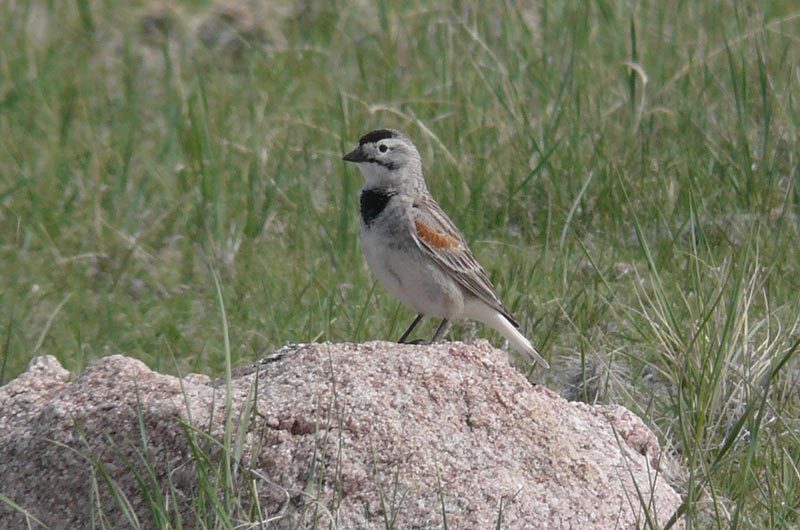
A thick-billed longspur perched on a rock surrounded by grass.

Thick-billed Longspur

The ground nests are difficult for predators (and humans) to find because the female sits tightly on her nest until practically stepped upon, relying on her camouflage to avoid detection. Females also have a strong instinct to protect the eggs. One researcher who wanted to count eggs in the nest of a particularly protective mother had to first lift her off the nest because she refused to abandon her eggs even momentarily.

A Utah prairie dog

Utah Prairie Dog

Utah prairie dogs reproduce more slowly than other rodents and have high mortality rates. Although females mate and produce litters in their first year, less than half of males mate in their first year. Females give birth to a single litter each year, averaging 3-5 young. However, fewer than 60% survive their first year and 30% survive their second year.

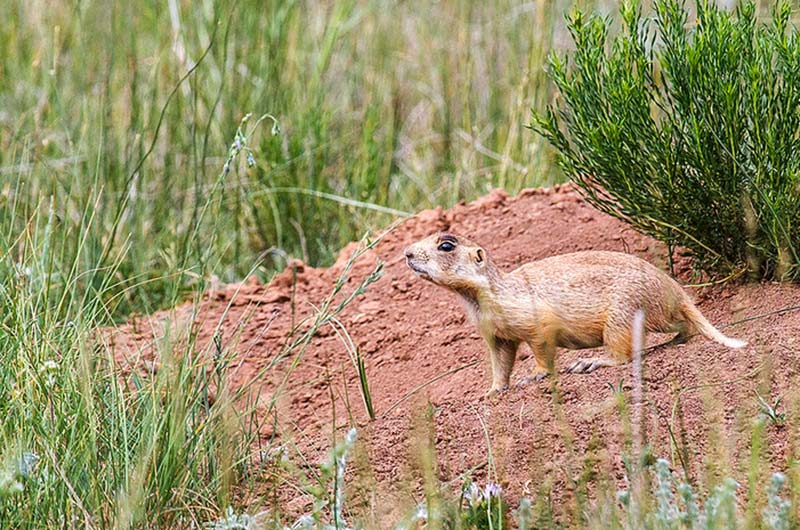
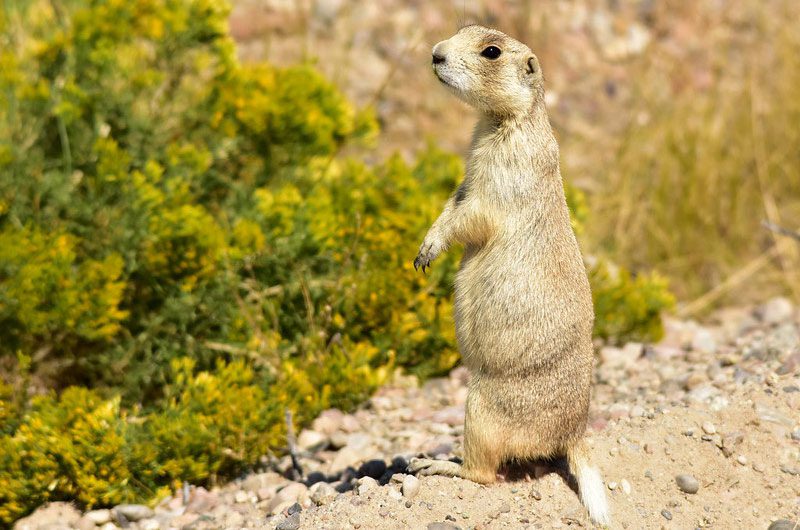
A white-tailed prairie dog stands upright on a mound of dirt near shrubs.

White-tailed Prairie Dog

White-tailed prairie dogs prefer eating forbs over grasses. This behavior may increase the availability of forage grasses preferred by other species, including livestock.

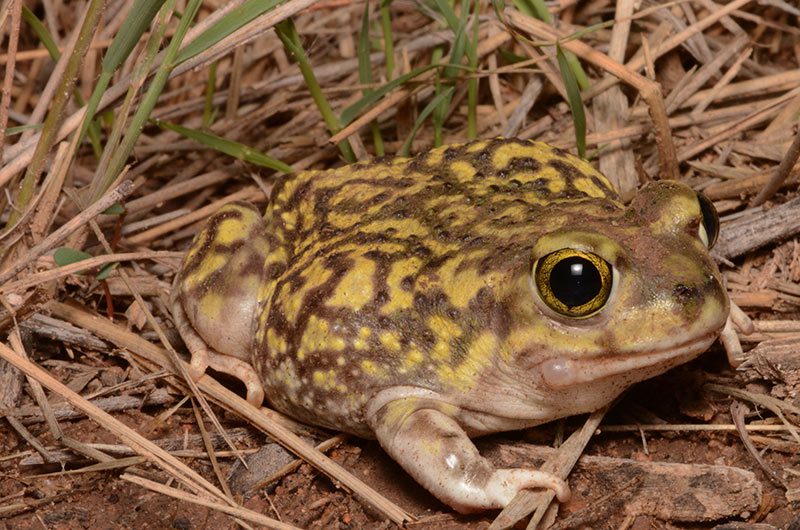
A Couch's spadefoot toad among dried grasses and leaves.

Couch’s Spadefoot

Be cautious handling Couch’s spadefoot toads as they have a skin secretion that can cause allergic reactions in some people. Reactions to secretions can make cuts and scratches painful, as well as result in sneezing, running nose, and watery eyes.

Plains Harvest Mouse

A plains harvest mouse in captivity gave birth at least four times in one year.  Young mice are sexually mature at two months. Nests are composed of fine grasses compacted into small balls approximately 4 x 3 in/10 x 6 cm in bunchgrasses close to or on the ground.