Prairie Mole Cricket

Prairie Mole Cricket

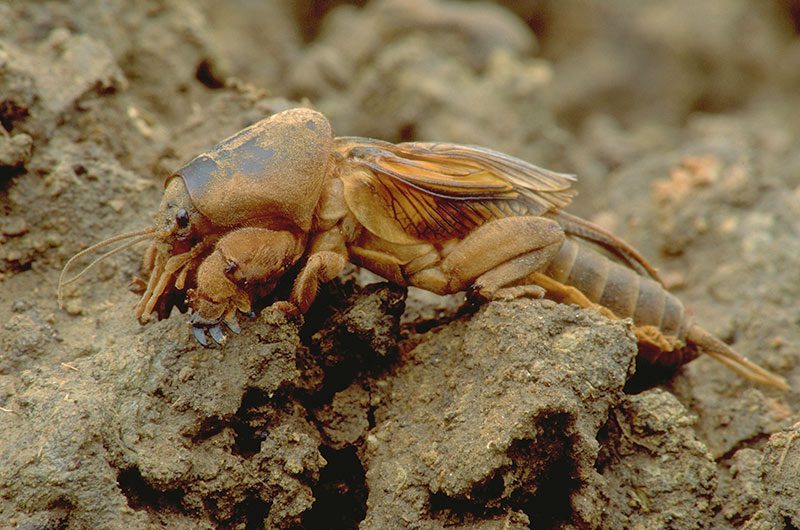
Male prairie mole crickets form aggressions or leks which are easy to locate from the loud call of the males. During the spring mating season, males call to flying females attracting them for mating from specialized acoustic burrows that are shaped like a bicycle horn and greatly amplify the sound of their calls. The male rubs its wings together after positioning itself with its head toward the back of the chamber, starting around sunset and ending at darkness.
Male Lazuli Bunting

Lazuli Bunting

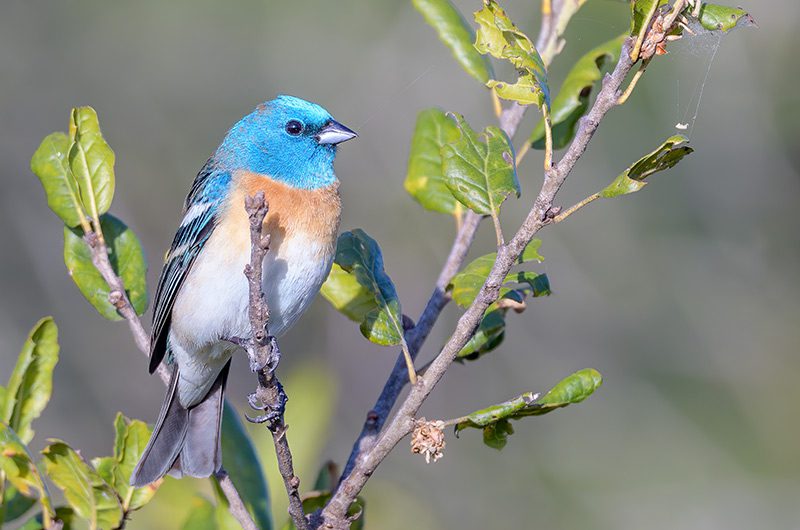
Birds can typically be identified by their song, but lazuli buntings make this a tad tricky. When young males arrive on their breeding grounds, they create their own unique song, which is a rearrangement of notes and syllables from other male lazuli buntings’ songs. They then sing their unique song every subsequent breeding season.

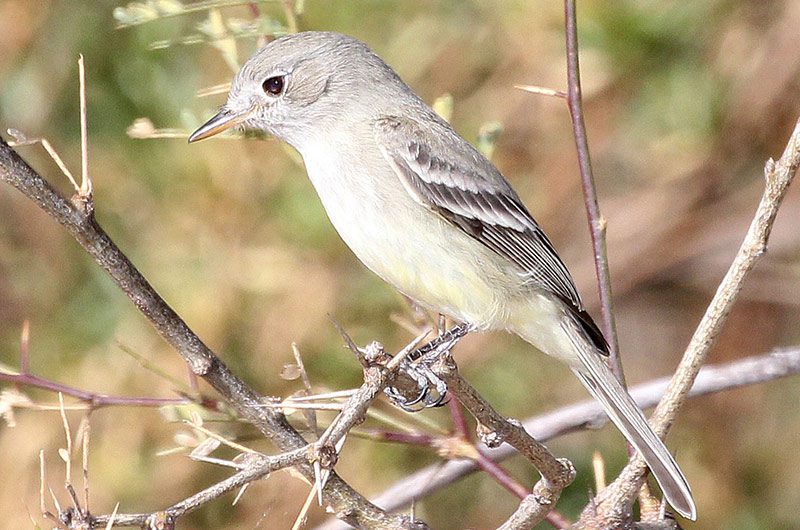
A gray flycatcher

Gray Flycatcher

Until the early 1900s, gray flycatchers were believed to breed only in northern Mexico and then wander north in the U.S. in the fall. After discovering new information about gray flycatchers, such as their distinct downward tail wag, ecologists were better able to distinguish the species in the field from other similar-looking flycatchers and document its breeding range.

A New Mexico jumping mouse

New Mexico Meadow Jumping Mouse

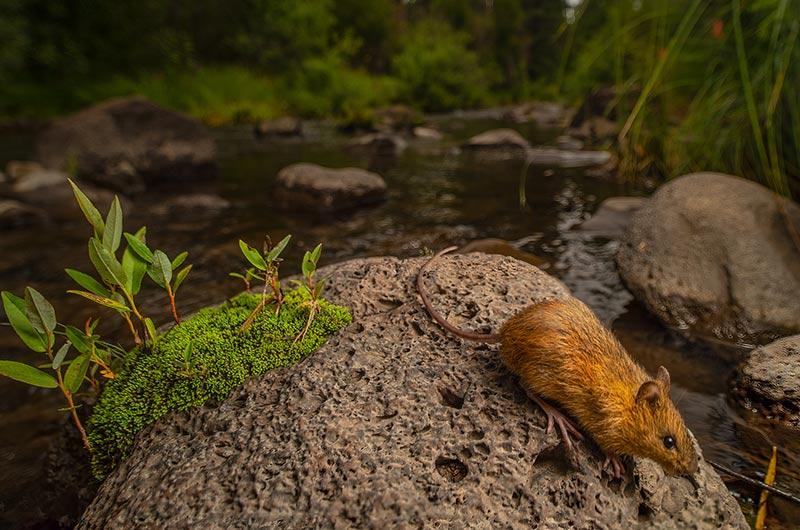
Beavers significantly impact New Mexico jumping mouse habitat as their dams create slow moving, permanent water sources that encourage diverse and dense vegetation growth that the mice rely on. Beaver activity can also act as a natural fire break.

A western jumping mouse

Western Jumping Mouse

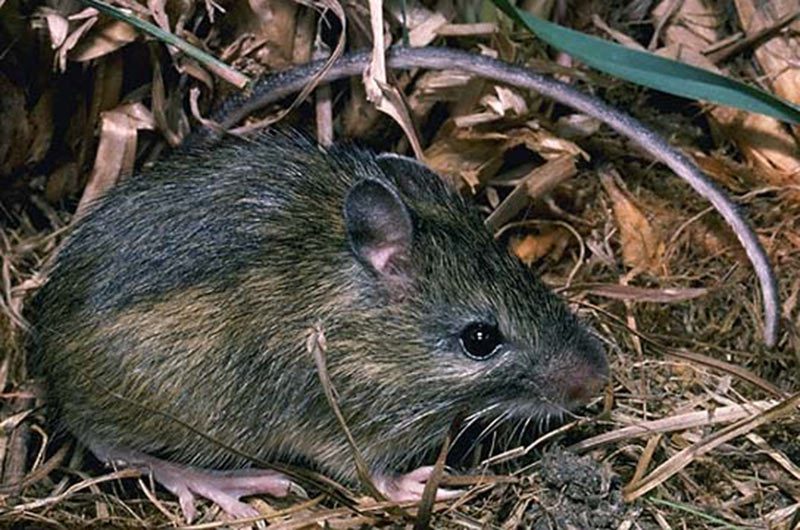
When western jumping mice emerge from hibernation in late spring or early summer, they have lost 18% of their body weight from the previous year. Adults quickly build up their fat reserves of up to 2/3 of their body weight to survive the long winter underground without food stores.

Willow Flycatcher

Willow Flycatcher

Willow flycatchers closely resemble alder flycatchers, which also breed in wet, shrubby habitats further north. The two species are mainly identified in the field by their different songs. Until 1973, these two birds were considered the same species, Traill’s flycatcher, the scientific name for willow flycatcher.

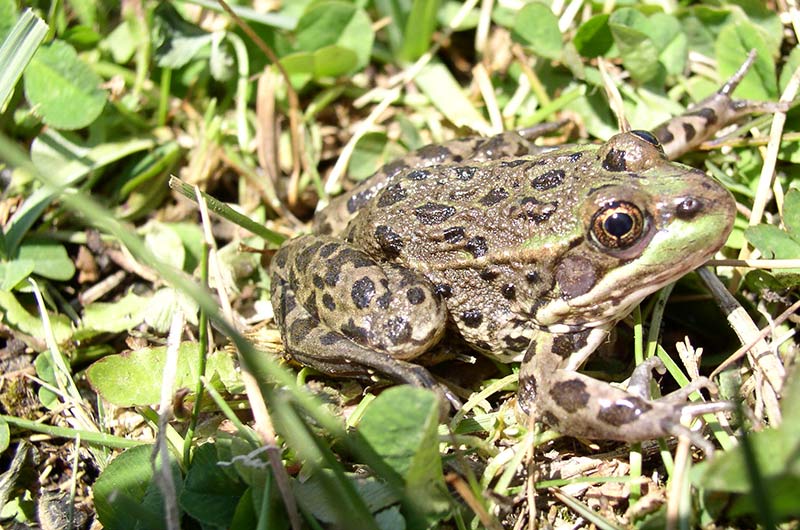
A chiricahua leopard frog among grass and riparian vegetation.

Chiricahua Leopard Frog

The Chiricahua leopard frog has a distinctive call that sounds like a snore for 1 to 2 seconds duration.

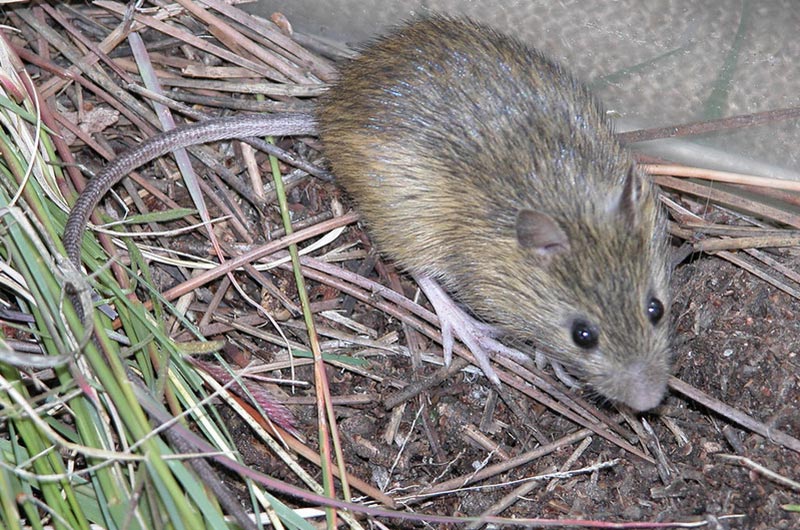
A Prebles meadow jumping mouse on dried grass and soil.

Preble’s Meadow Jumping Mouse

The Preble’s jumping mouse has large back feet and legs and can jump up to 3 ft/1 m in a single leap. However, jumping is reserved for extraordinary circumstances and stress. They generally move about by walking or by taking very small hops. This species can also swim.

Sierra Nevada Yellow-legged Frog

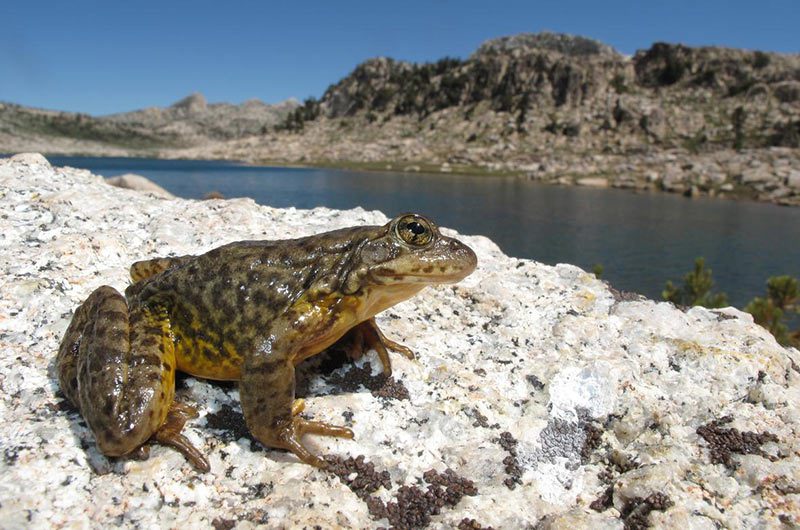
Sierra Nevada yellow-legged frogs will produce a mink- or garlic-like odor when disturbed or threatened. This odor is used to discourage predators.

Relict Leopard Frog

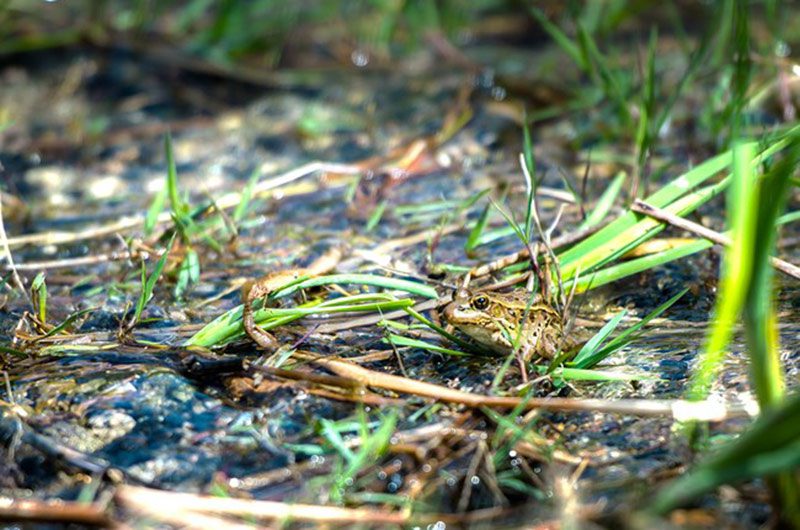
The relict leopard frog was thought to be extinct in the 1950’s. It was rediscovered along the Virgin and Muddy Rivers in the 1990’s. This frog has not been seen in Utah along the Virgin River near St. George since 1950 and is thought to be extirpated from the state.