
White-tailed Prairie Dog
White-tailed prairie dogs prefer eating forbs over grasses. This behavior may increase the availability of forage grasses preferred by other species, including livestock.

White-tailed prairie dogs prefer eating forbs over grasses. This behavior may increase the availability of forage grasses preferred by other species, including livestock.
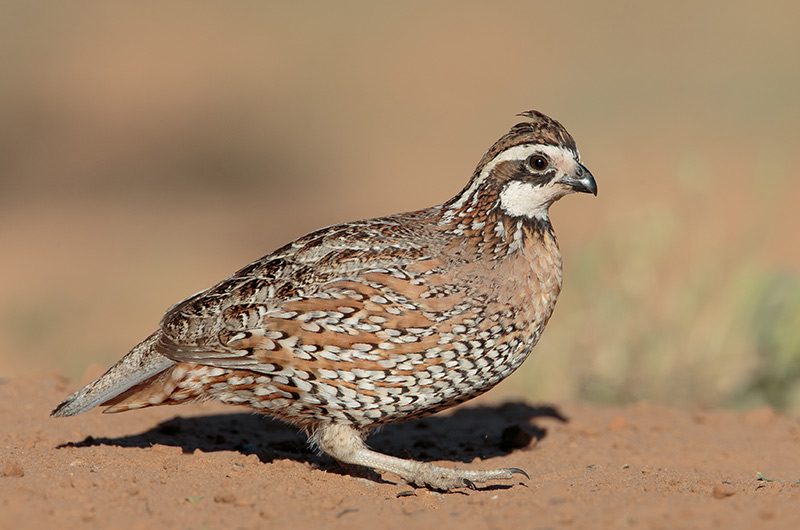
Northern bobwhites have a high annual mortality rate and short life spans. When weather and habitat conditions permit, however, they can compensate for this high mortality with increased chick production. An adult pair can successfully produce two or more broods (≥25 offspring) during a single breeding season.

A plains harvest mouse in captivity gave birth at least four times in one year. Young mice are sexually mature at two months. Nests are composed of fine grasses compacted into small balls approximately 4 x 3 in/10 x 6 cm in bunchgrasses close to or on the ground.
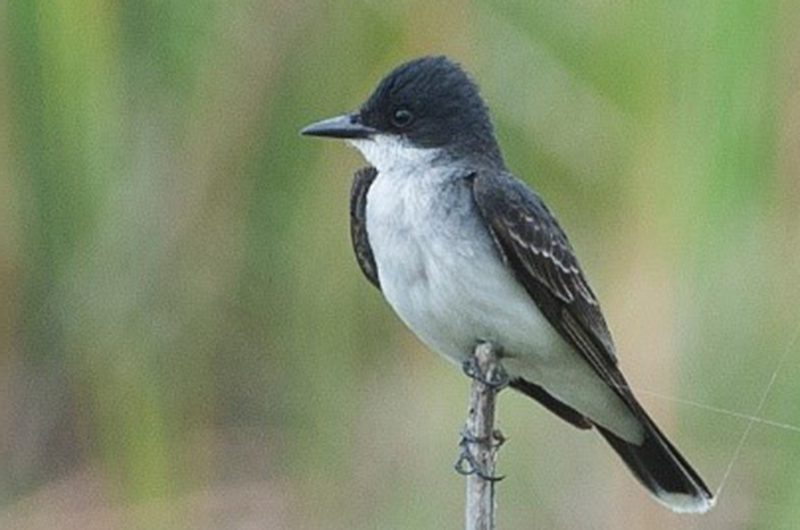
The eastern kingbird lives a double life each year. They eat mostly flying insects during the breeding season and aggressively defend their nest and territory from other kingbirds and much larger birds, like hawks and crows. However, during the winter, the eastern kingbird eats mostly fruit and lives in a flock of other birds.
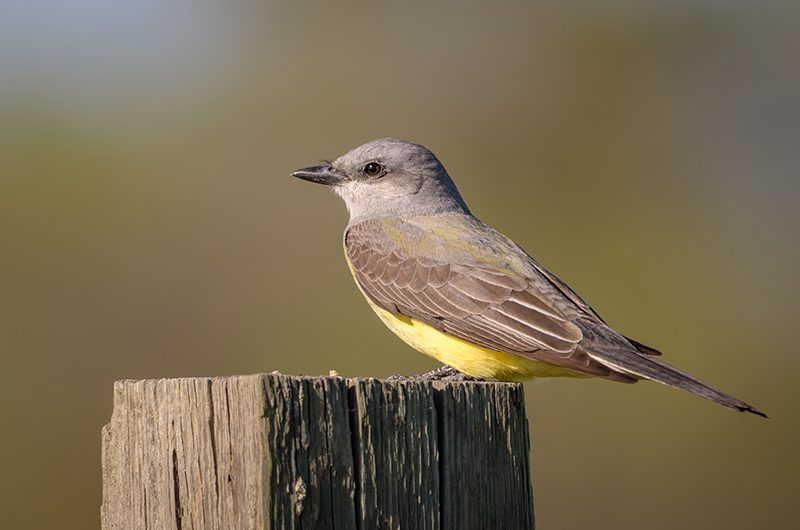
The western kingbird’s breeding range has expanded eastward since the late 1800s because human activity has provided habitat. The planting of trees and installation of utility poles in the prairie provides places for the birds to perch and hunt insects and also nest. In areas where forests have been cleared, the birds have more open habitats suitable for foraging for insects. Although known as the “western” kingbird, this species also often wanders to the East Coast during fall migration.
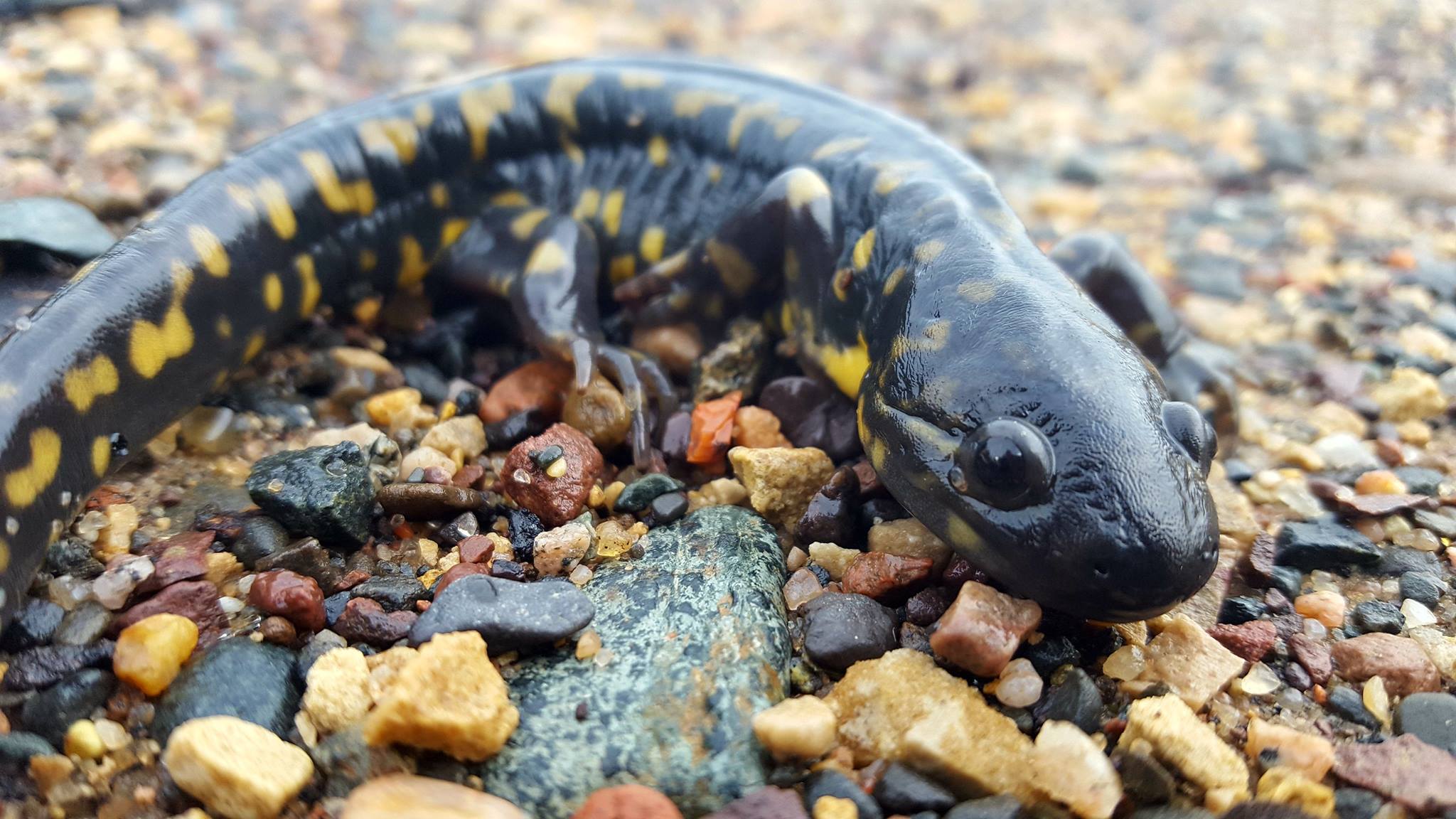
Tiger salamanders can live up to 14 years and grow 12 in/30cm, double the average size. When too many eggs are laid in a body of water, hatchlings can turn cannibalistic as a method of survival.
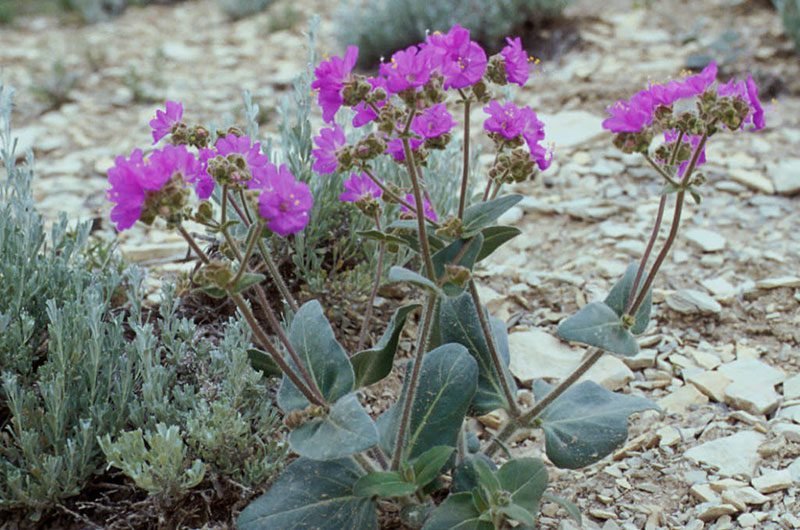
The flowers of this four o’clock open before dawn and remain open until mid-morning, just a few hours.
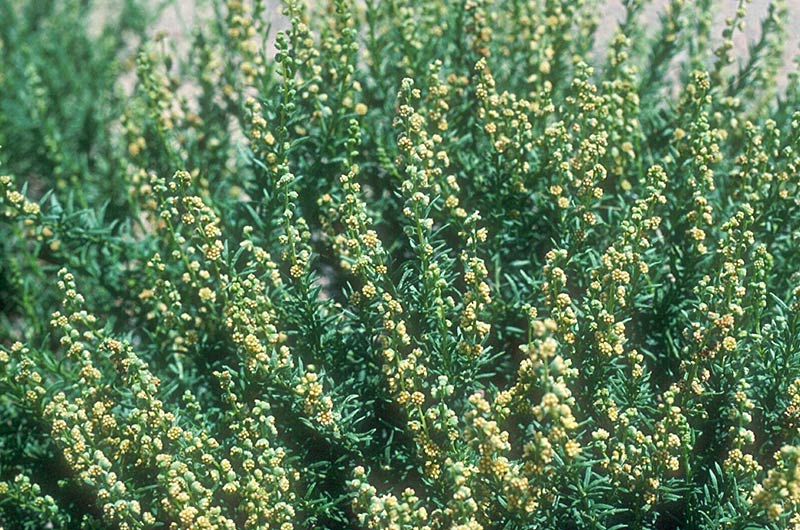
Plains ragweed is found in moist areas around playas, which are temporary depressional wetlands filled by local rainwater. In years with prevalent spring rainfall, many playas fill with water, and this species is abundant.

Spalding’s catchfly gets its name from abundant, dense sticky hairs on the stems and leaves that frequently trap dust and insects.

© Copyright 2026 Terraso, a fiscally sponsored project of Inquiring Systems, Inc.
Privacy Policy and Terms of Service
