A golden eagle

Golden Eagle

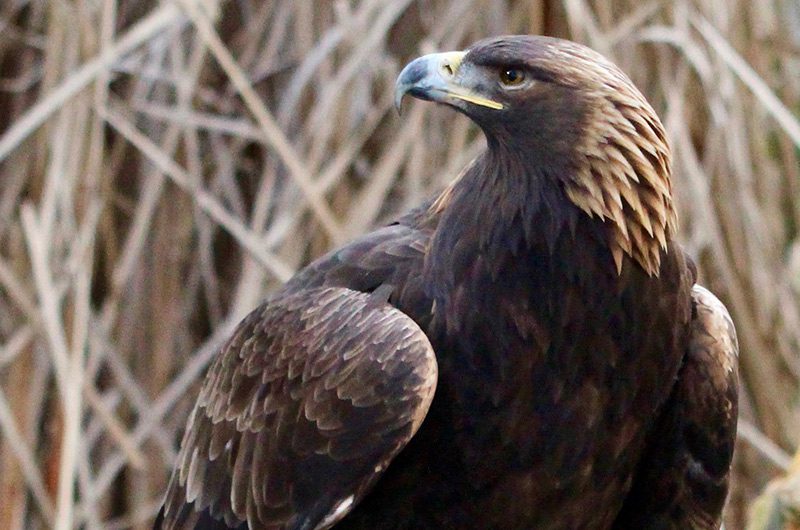
Although capable of killing large prey, golden eagles primarily hunt rabbits, hares, ground squirrels, and prairie dogs. It takes a juvenile bird four years to reach adulthood, juveniles typically don’t have territories and don’t migrate far from their natal territories (where they hatched). They disperse and ”hang around” the region for several years.
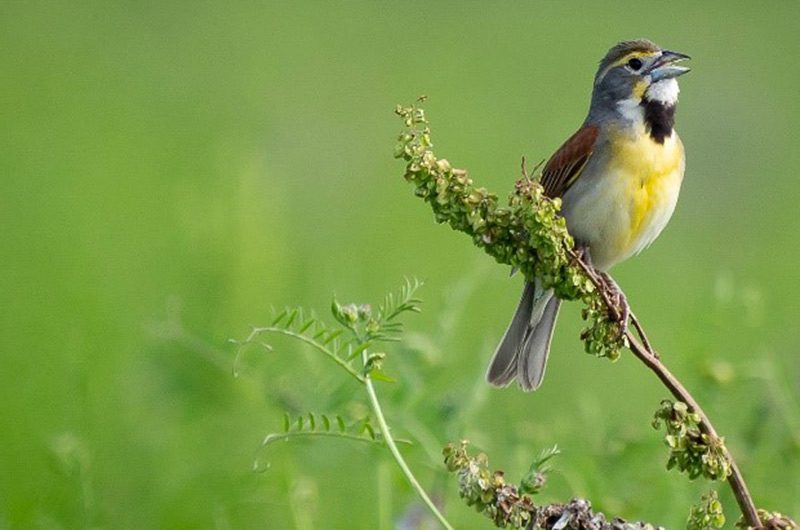
A Dickcissel

Dickcissel

Dickcissels gather in large flocks for fall and spring migration, up to thousands of birds. On their winter range, flocks may be as large as millions of birds, and these flocks can inflict substantial damage on agricultural crops in South America.

Poweshiek Skipperling

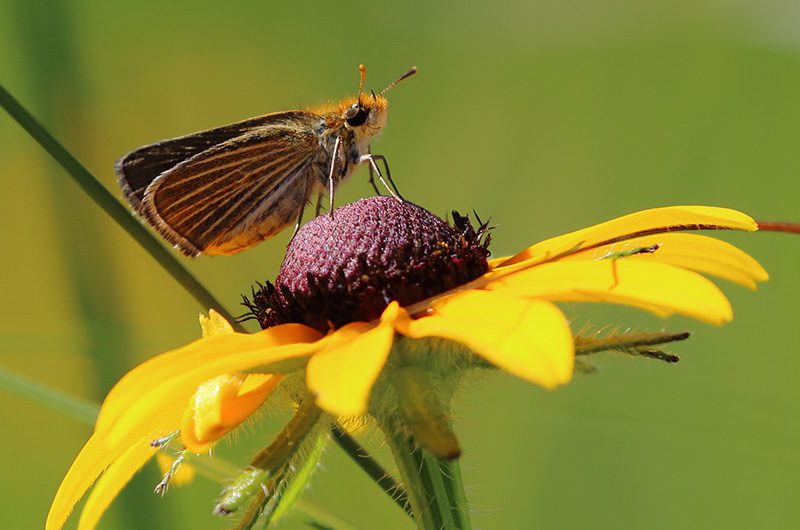
Poweshiek skipperling butterfly populations have shown a well-documented collapse in less than a decade between 2000 and 2010, with likely extirpation of over 95% of the populations. In 2000, Poweshiek skipperling was known from native prairie remnants in Iowa, Minnesota, North and South Dakota, and Wisconsin and in fens in Michigan. By 2010, it was no longer found in the Dakotas, Minnesota, and Iowa. The original core habitat range for the species was orders of magnitude larger than the current range. The cause of this wide-spread decline is still unknown.

Dakota skipper

Dakota skippers spend most of their life as larvae or caterpillars from approximately late July until the following June or July. After hatching, larvae form shelters of silk at the base of grass plants and construct larger shelters as they grow. Dakota skipper larvae overwinter either in these shelters or in buried shelters.

A Sprague's pipit

Sprague’s Pipit

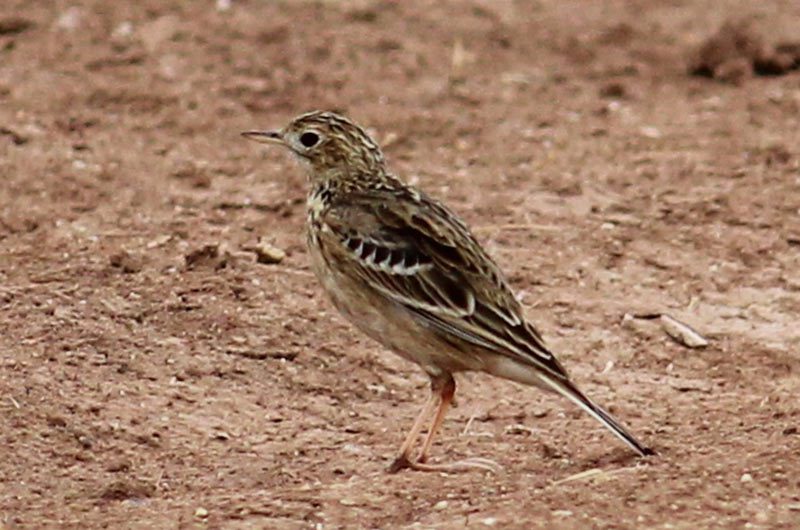
When males are displaying during the breeding season to attract a mate, they often remain airborne for half an hour. In one case, a male Sprague’s pipit was observed displaying for 3 hours before descending to the ground! No other bird is known to perform such prolonged displays.

a hispid pocket mouse

Hispid Pocket Mouse

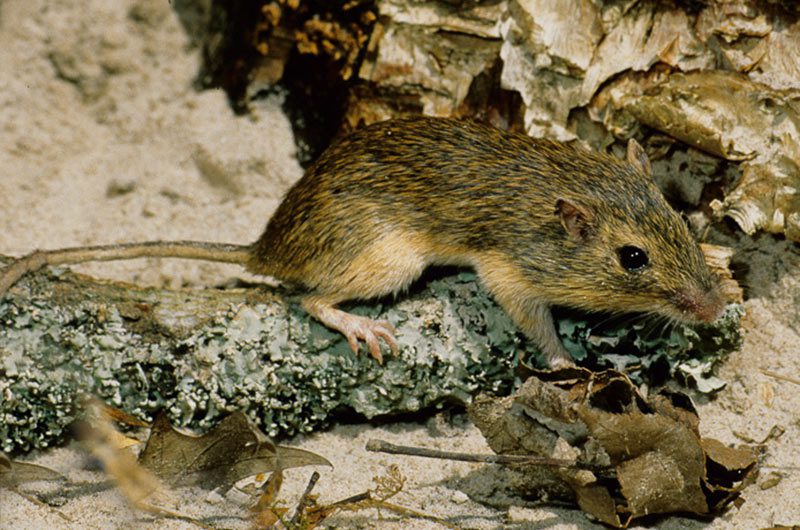
Hispid pocket mice store seeds in burrows for consumption during the winter. Older animals tend to build more complex burrow systems than younger animals.

Plains Harvest Mouse

A plains harvest mouse in captivity gave birth at least four times in one year.  Young mice are sexually mature at two months. Nests are composed of fine grasses compacted into small balls approximately 4 x 3 in/10 x 6 cm in bunchgrasses close to or on the ground.