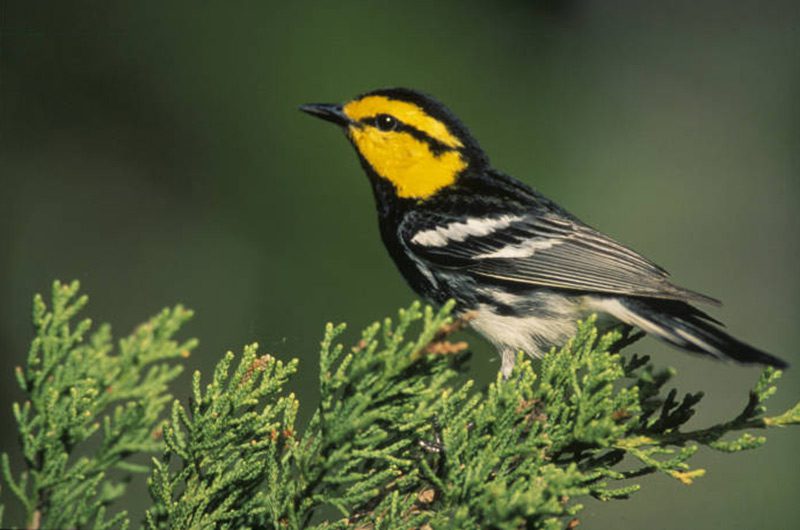
Golden-cheeked Warbler
The golden-cheeked warbler is the only bird to breed in Texas exclusively. Males will return to the same nesting territory year after year and will often breed with the same partner in subsequent years.

The golden-cheeked warbler is the only bird to breed in Texas exclusively. Males will return to the same nesting territory year after year and will often breed with the same partner in subsequent years.
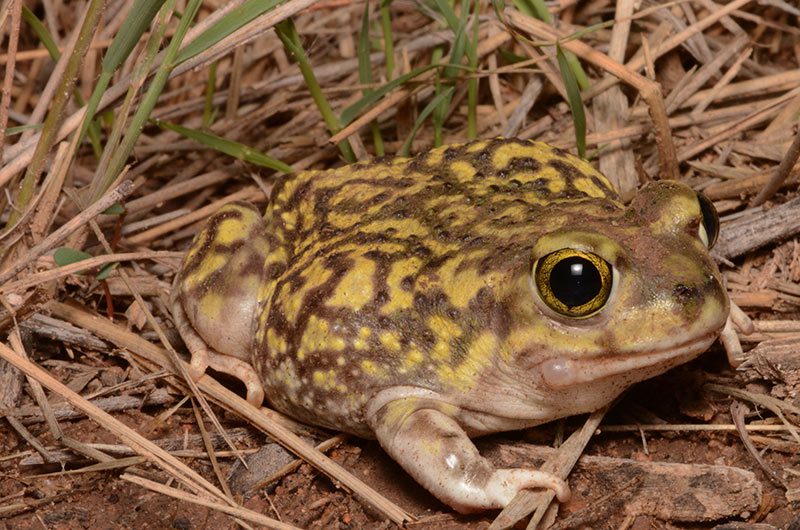
Be cautious handling Couch’s spadefoot toads as they have a skin secretion that can cause allergic reactions in some people. Reactions to secretions can make cuts and scratches painful, as well as result in sneezing, running nose, and watery eyes.

The Henslow’s sparrow has the simplest and shortest song of any North American songbird, a thin tze-lick insect-like song, accurately described as a “feeble hiccup.”
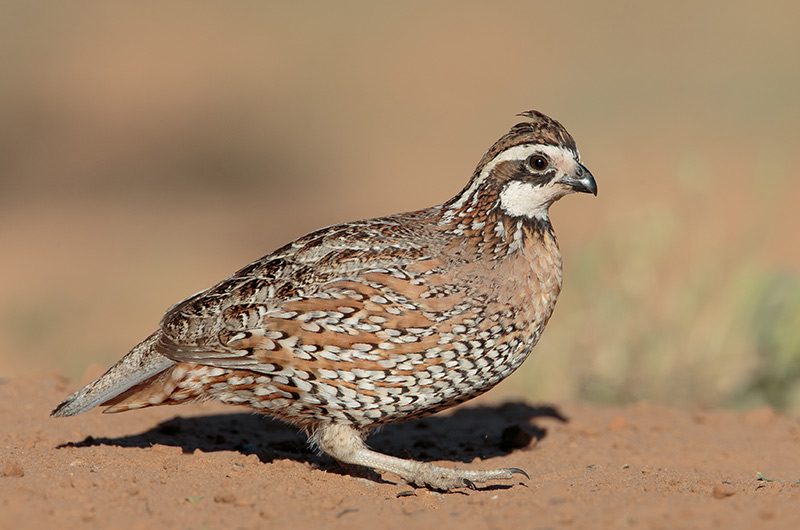
Northern bobwhites have a high annual mortality rate and short life spans. When weather and habitat conditions permit, however, they can compensate for this high mortality with increased chick production. An adult pair can successfully produce two or more broods (≥25 offspring) during a single breeding season.
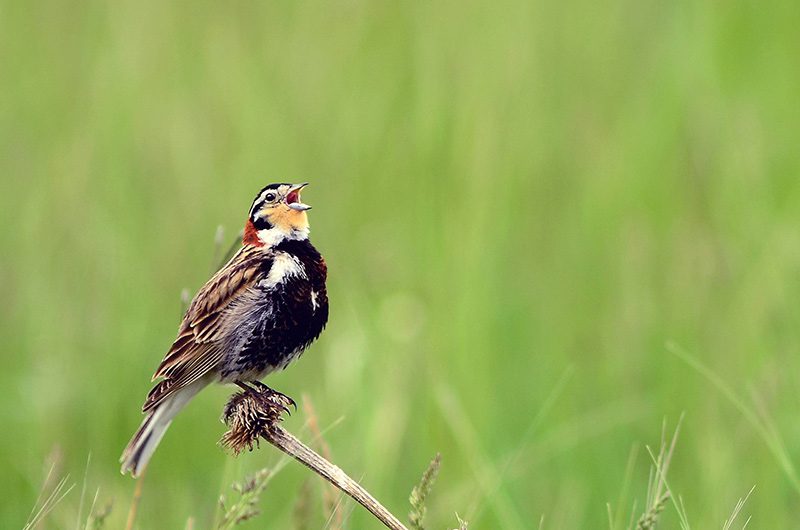
These birds derive their name from their coloring and the elongated claw of the backward-facing toe, the “longspur”. Unlike many songbirds that live in forests, chestnut-collared longspurs and other grassland birds do not hop on the ground, but walk or run.
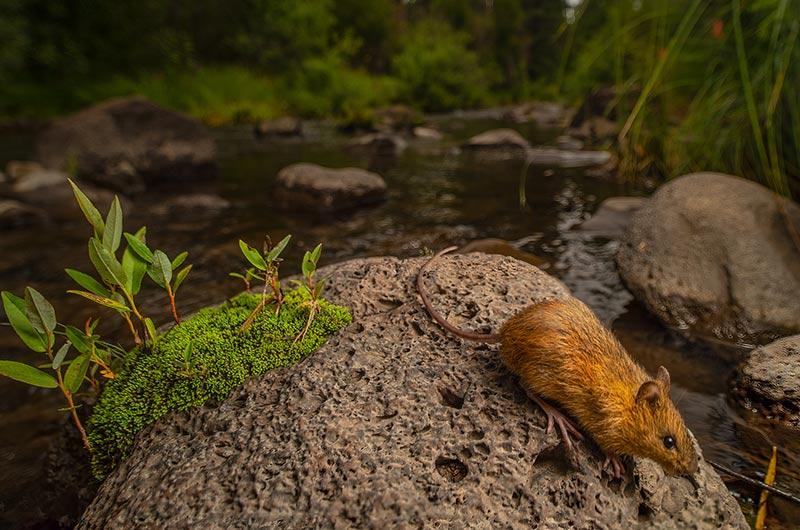
Beavers significantly impact New Mexico jumping mouse habitat as their dams create slow moving, permanent water sources that encourage diverse and dense vegetation growth that the mice rely on. Beaver activity can also act as a natural fire break.
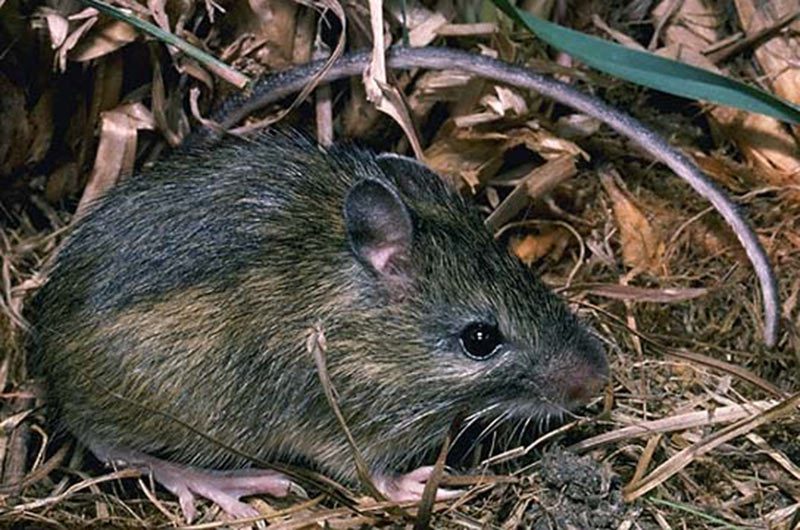
When western jumping mice emerge from hibernation in late spring or early summer, they have lost 18% of their body weight from the previous year. Adults quickly build up their fat reserves of up to 2/3 of their body weight to survive the long winter underground without food stores.
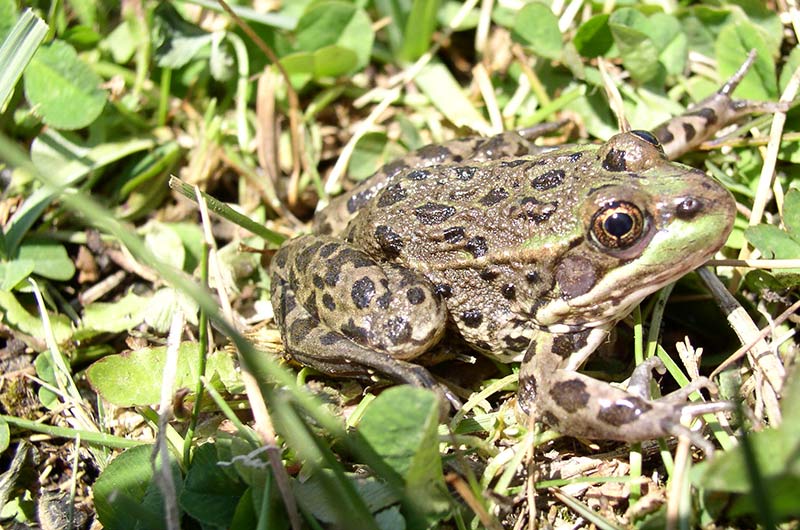
The Chiricahua leopard frog has a distinctive call that sounds like a snore for 1 to 2 seconds duration.
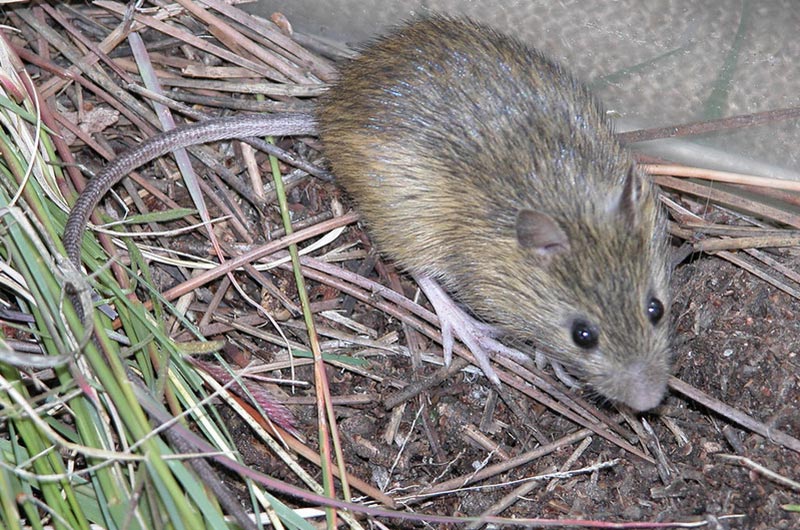
The Preble’s jumping mouse has large back feet and legs and can jump up to 3 ft/1 m in a single leap. However, jumping is reserved for extraordinary circumstances and stress. They generally move about by walking or by taking very small hops. This species can also swim.

The lowland leopard frog breeds year-round. Tadpoles can take a year or more to reach adulthood.

© Copyright 2026 Terraso, a fiscally sponsored project of Inquiring Systems, Inc.
Privacy Policy and Terms of Service