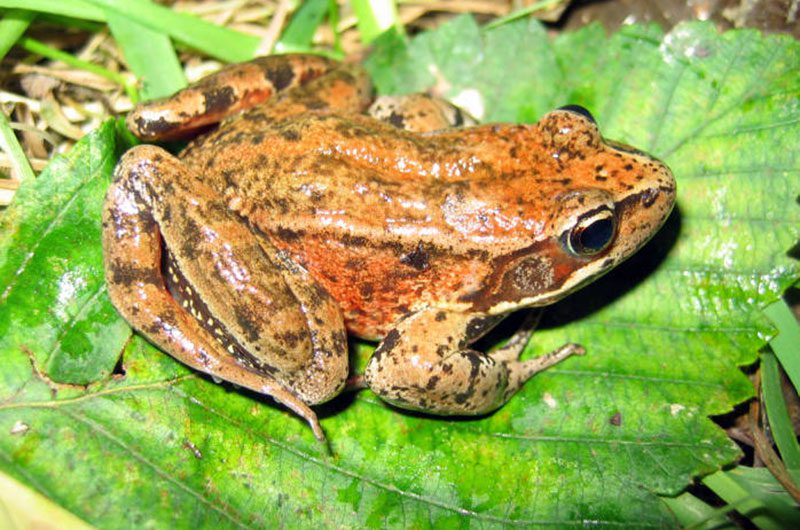
Northern Red-legged Frog
Northern red-legged frogs come back to the pond where they were tadpoles. Females even lay their eggs in the same location within the breeding pond each year.

Northern red-legged frogs come back to the pond where they were tadpoles. Females even lay their eggs in the same location within the breeding pond each year.
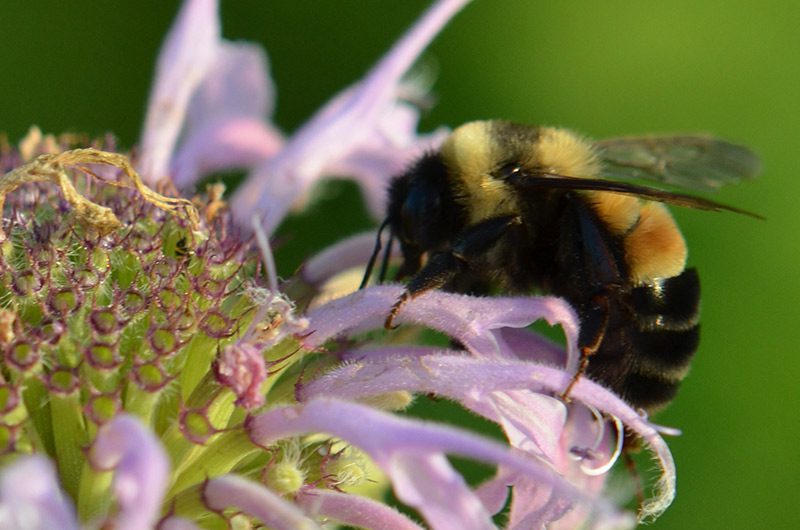
These bees are unique among other North American bumble bees in that the queen’s color pattern differs from that of the worker bees in the colony. The rusty patched bumble bee queen does not have a rusty patch.
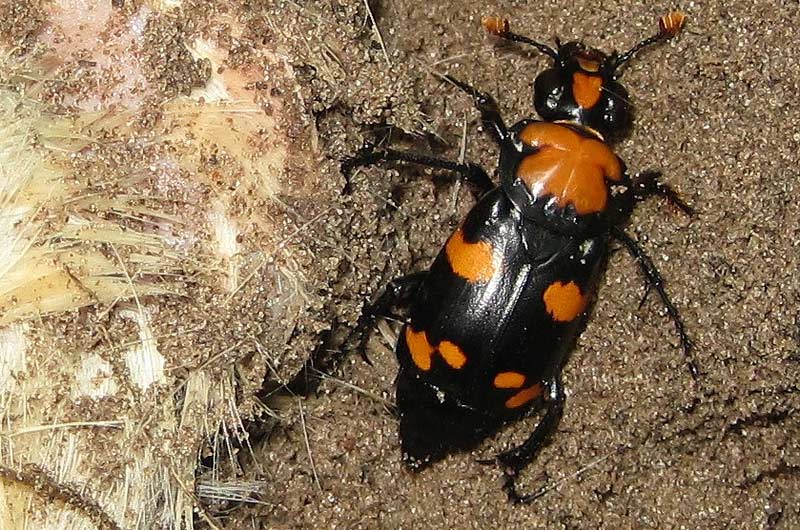
The minimum carrion size for breeding purposes is small birds or mammals. Beetles will fight over highly desirable carcasses until one dominant male and female American burying beetle remain. Together they bury the carcass using secretions to preserve it.
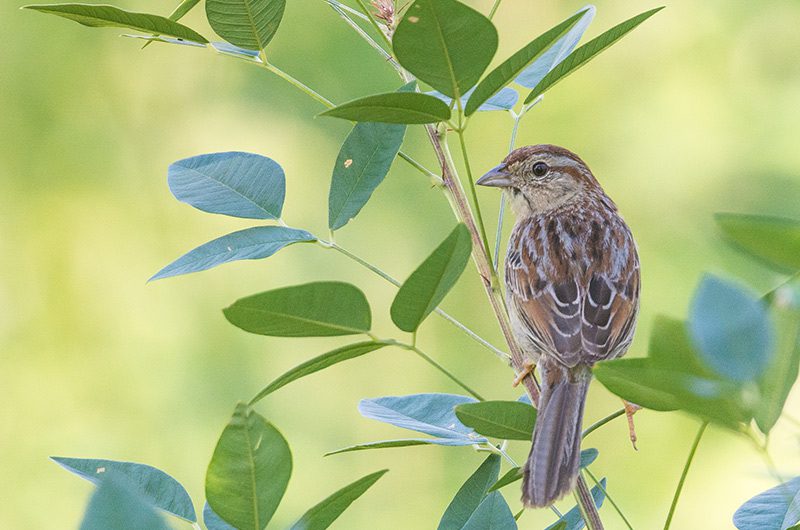
Only the female Bachman’s sparrow incubates the eggs, and then both the male and female care and feed the young after they hatch. During this time, the female will begin building a new nest for her next brood.
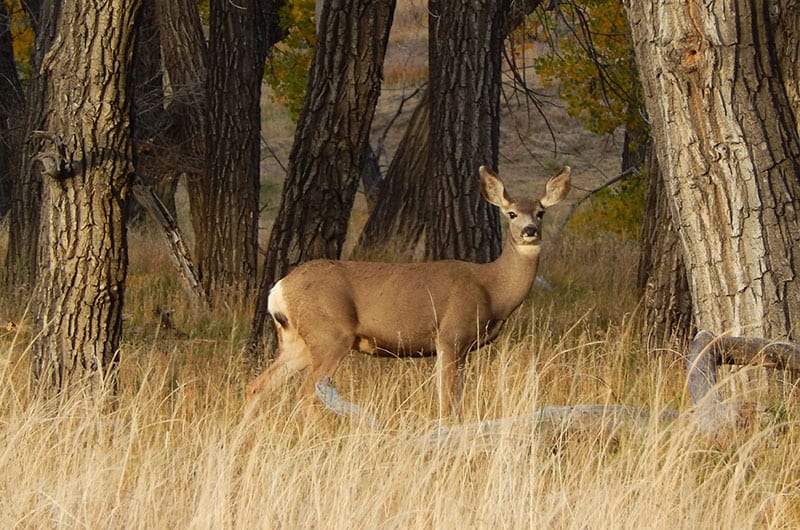
When alarmed, mule deer bound away with four feet hitting the ground together at each bound. This is called “slotting” and is different from white-tailed deer who spring from hind to front feet.

© Copyright 2026 Terraso, a fiscally sponsored project of Inquiring Systems, Inc.
Privacy Policy and Terms of Service