
White-tailed Prairie Dog
White-tailed prairie dogs prefer eating forbs over grasses. This behavior may increase the availability of forage grasses preferred by other species, including livestock.

White-tailed prairie dogs prefer eating forbs over grasses. This behavior may increase the availability of forage grasses preferred by other species, including livestock.
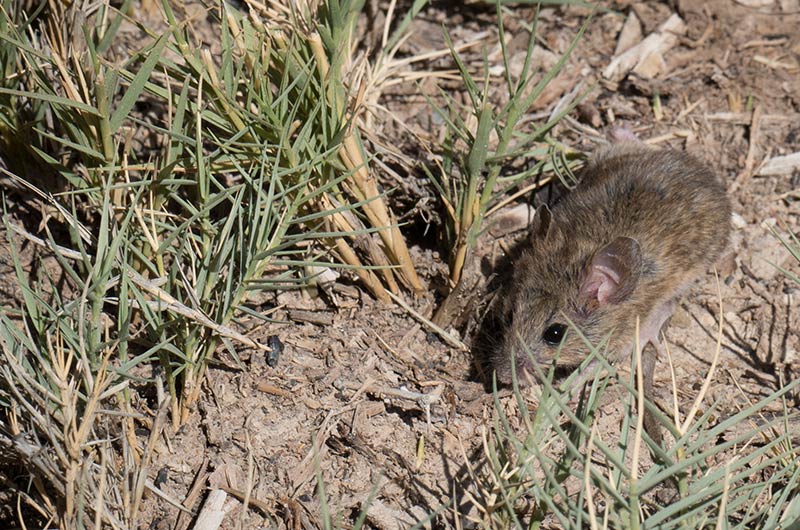
Western harvest mice are active year-round and produce multiple litters each year. One captive female produced seven litters totally 17 young in one year.

Fulvous harvest mice nests are usually built 1-3 ft/30-91 cm above the ground often in bushes. These nests can be converted bird nests or created by fulvous harvest mice. The baseball-sized nests are composed of shredded grass and forb stems with one opening.
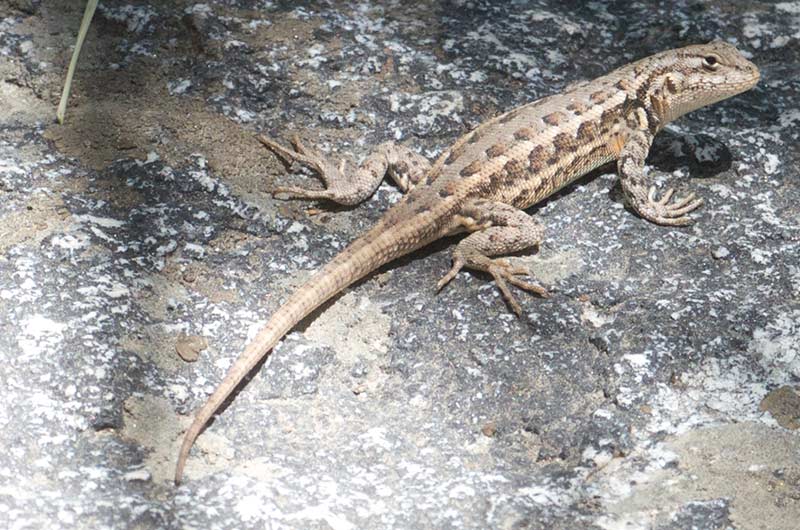
Common sagebrush lizards can drop their tails to escape predators. The tail can regenerate like the prairie lizard, but it is usually shorter and a slightly different color than the original tail.

Gunnison’s prairie dogs are found in both montane and prairie habitats, yet mountain ranges separate portions of their range, preventing individuals from moving between montane and prairie habitats.
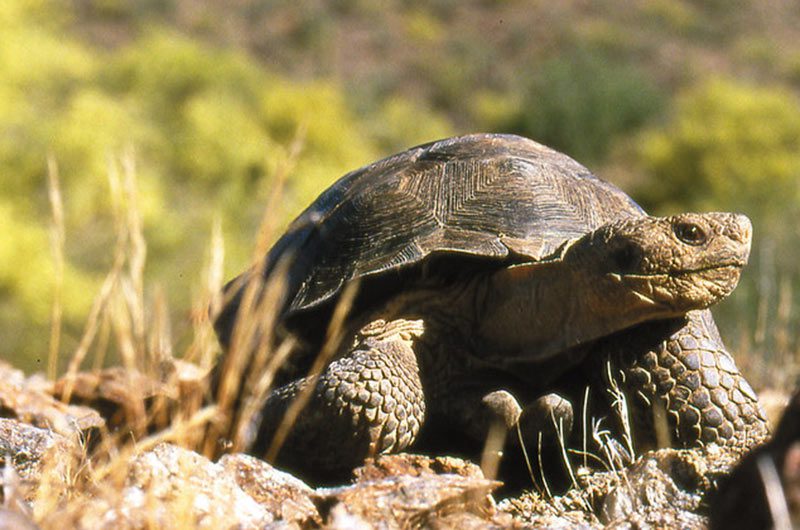
Sonoran Desert tortoises eat a wide variety of wildflowers, grasses and cacti. However, they will also occasionally eat insects, especially when young. Some have even been observed scavenging road-kill lizards. Additionally, Sonoran Desert tortoises eat soil with calcium carbonate for nutrients.

Desert tortoise eggs and young are prey for many species, including Gila monsters, snakes, raptors, skunks, kit foxes, and coyotes. Ravens can cause a substantial decline in desert tortoise populations, especially near developed areas. However, once a desert tortoise reaches adulthood, predation risk is far lower and annual survivorship surpasses 90%.

© Copyright 2026 Terraso, a fiscally sponsored project of Inquiring Systems, Inc.
Privacy Policy and Terms of Service