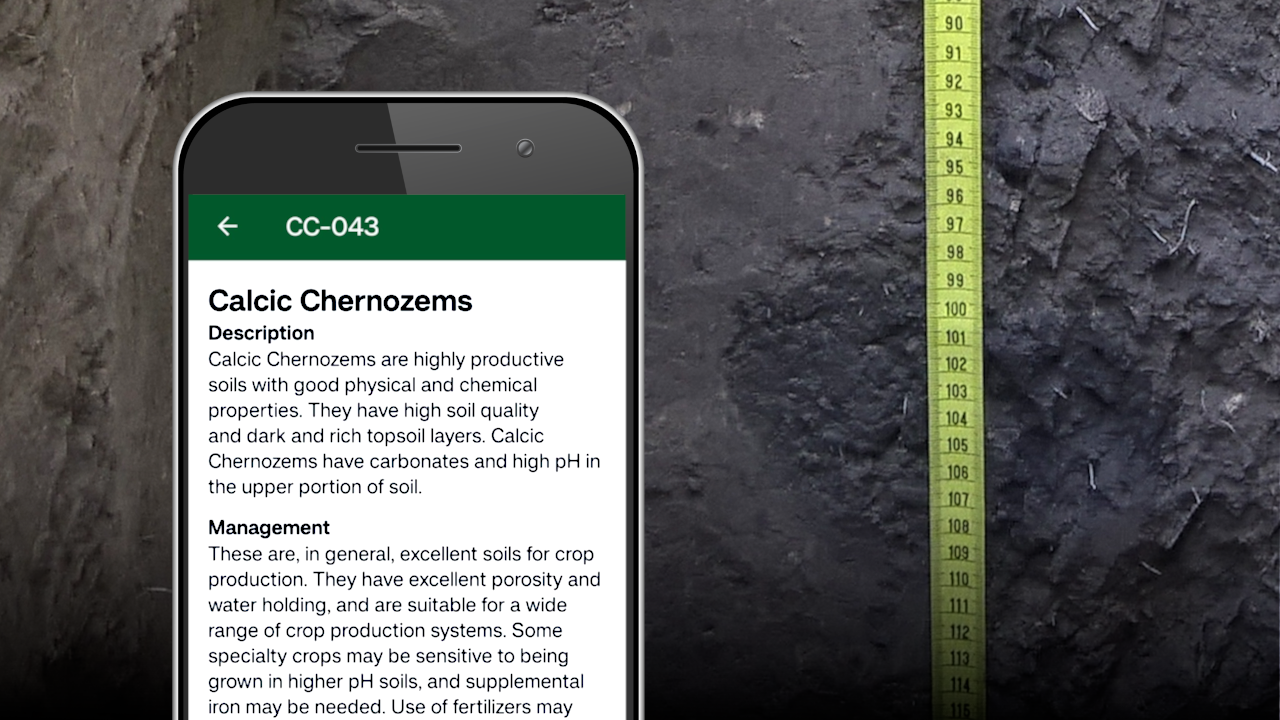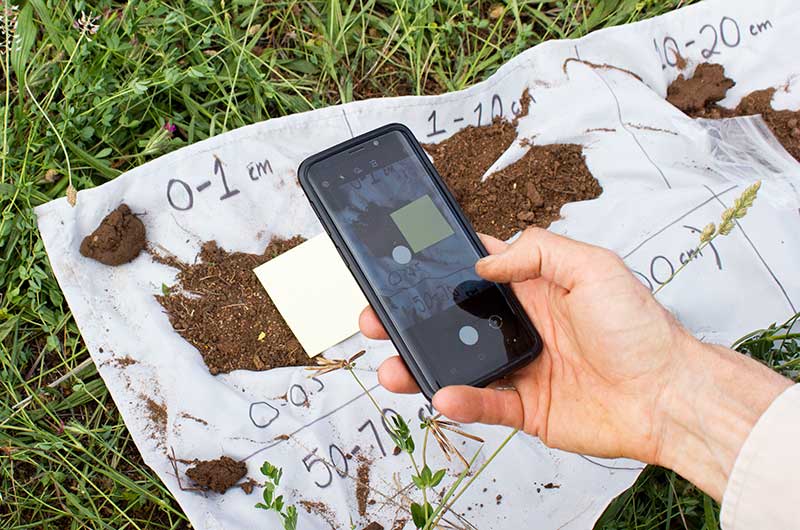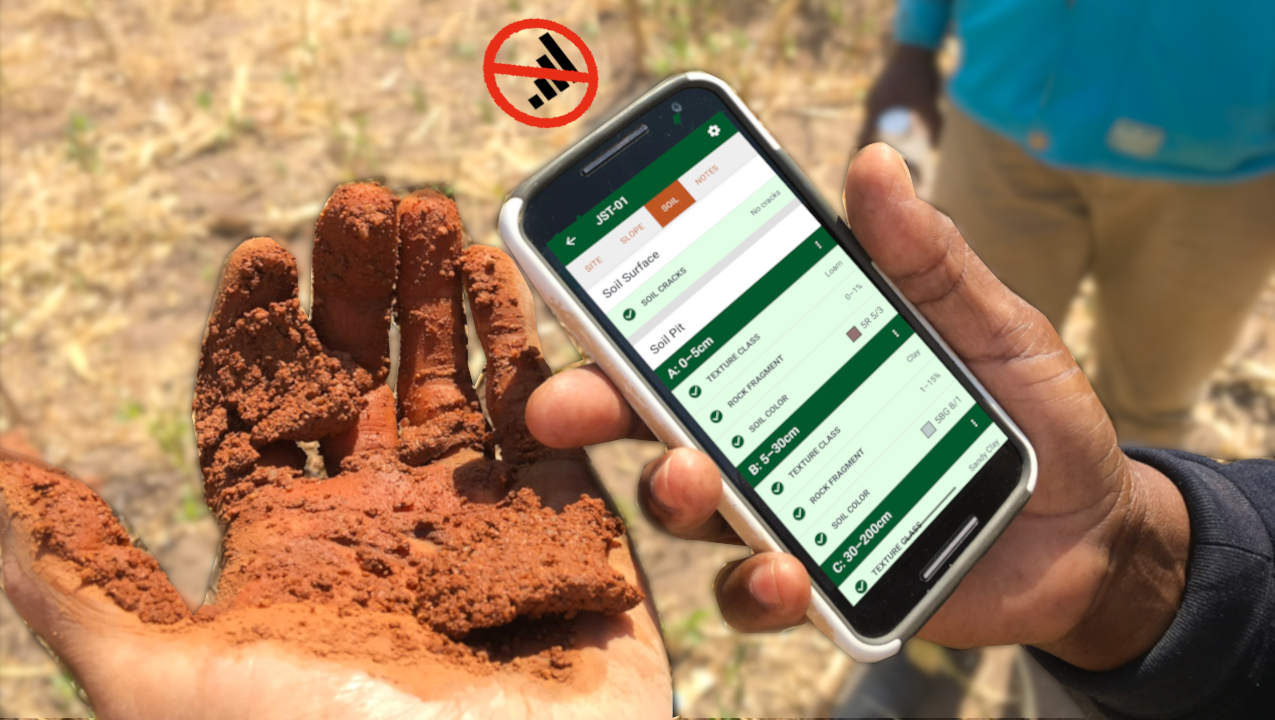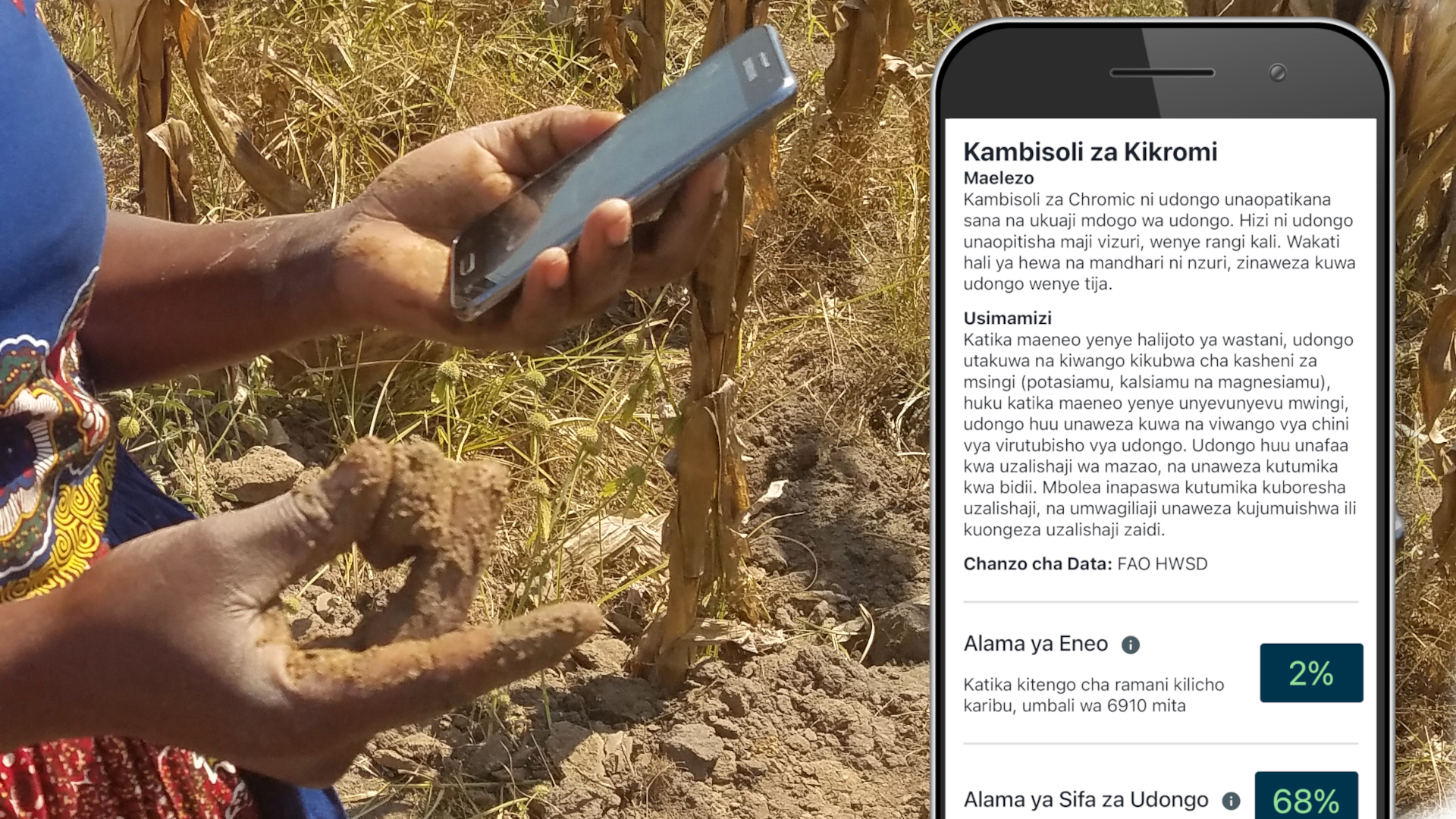
This article reviews of LandPKS Classic features and how LandPKS apps put soil-property measurement and soil-reference information within reach of people with no formal soils training.
Abstract
Land use planning and implementation of productive, sustainable land management practices requires careful matching of land use with its sustainable land potential at the field and even sub-field scale (CitationFAO 2022). Sustainable land potential is defined as the potential of the land to generate ecosystem services for current and future generations (CitationUnited Nations Environment Programme and International Resource Panel 2016). Appropriate matching of land use with land potential requires accurate, site-specific knowledge of land, including information on its long-term potential (based on inherent properties like texture, minerology, and slope), current condition (e.g., fertility, soil organic matter content, vegetation cover), and expected response to disturbances (e.g., management, climate). When land managers lack access to such information and knowledge, they are less likely to make informed management decisions that ensure long-term sustainability. To bridge this information gap, the Land Potential Knowledge System mobile application (LandPKS) was created with the goal of providing location-specific information on land potential that farmers and other land managers can use to make informed management decisions (CitationHerrick et al. 2013, Citation2016). However, awareness of the availability of this free, open-source app with access to both US and global soil information remains low. The objective of this paper is to describe the app, with a focus on the recently released “Toolbox” feature.
Citation
Maynard, J. J., Maniak, S., Hamrick, L., Peacock, G., McCord, S. E., & Herrick, J. E. (2022). LandPKS Toolbox: Open-source mobile app tools for sustainable land management. Journal of Soil and Water Conservation, 77(6), 91A-97A. https://doi.org/10.2489/jswc.2022.0927A